
Zero-Humidity Home: Smart Crawl Space & Indoor Moisture Prevention Hacks

Excess moisture is silently damaging your home right now, creating the perfect breeding ground for mold, wood rot, and structural problems that cost thousands to repair. This guide is designed for homeowners who want to take control of their indoor environment and protect their biggest investment through smart humidity control strategies.
You’re dealing with moisture issues whether you realize it or not. From that musty smell in your basement to condensation on your windows, these warning signs point to humidity problems that smart technology and proven techniques can solve.
We’ll walk you through crawl space encapsulation systems that stop moisture at the source, show you how smart humidity sensors can automate your home’s moisture control, and share DIY indoor moisture prevention methods that work immediately.
You’ll also discover which dehumidifier systems deliver the best results for your specific situation and learn about vapor barrier installation techniques that professional contractors use. By the end, you’ll have a complete roadmap for creating a zero-humidity environment that protects your home’s structure and your family’s health.


Understanding Moisture Problems in Your Home

Identifying High-Humidity Warning Signs Before Damage Occurs
Your home gives you plenty of clues when moisture levels climb too high. Watch for condensation on windows, musty odors in closets, or peeling wallpaper edges. You’ll notice damp spots on walls, especially near corners and basements. Mold growth appears first in dark, humid areas like bathrooms and crawl spaces. Your wooden furniture might warp, and metal fixtures could develop rust. Pay attention to increased allergy symptoms or breathing difficulties – these often signal rising indoor moisture levels.
Health Risks Associated with Excess Indoor Moisture
High humidity creates perfect breeding conditions for mold, dust mites, and bacteria in your living space. You risk developing respiratory problems, including asthma attacks and chronic coughing. Prolonged exposure to mold spores can trigger severe allergic reactions and compromise your immune system. Children and elderly family members face heightened vulnerability to these moisture-related health issues. Your skin might become irritated, and you could experience persistent headaches or fatigue from poor indoor air quality.
Financial Impact of Humidity-Related Home Damage
Moisture damage hits your wallet hard through multiple expensive repairs. You’ll face costly mold remediation, structural wood replacement, and damaged flooring restoration. Your HVAC system works overtime in humid conditions, driving up energy bills significantly. Insurance companies often exclude moisture damage from standard policies, leaving you responsible for thousands in repair costs. Property values drop when humidity problems persist, affecting your home’s resale potential and long-term investment value.
Seasonal Moisture Patterns That Affect Your Living Space
Summer brings the biggest humidity challenges as warm air holds more moisture, especially in crawl spaces and basements. Spring rains and snowmelt create ground moisture that seeps into your foundation. Winter heating systems can actually increase indoor humidity when combined with poor ventilation. Fall weather changes create temperature differentials that cause condensation problems. You’ll notice these seasonal patterns most in areas with poor moisture control technology, making year-round humidity management essential for your home’s protection.
Crawl Space Moisture Control Systems
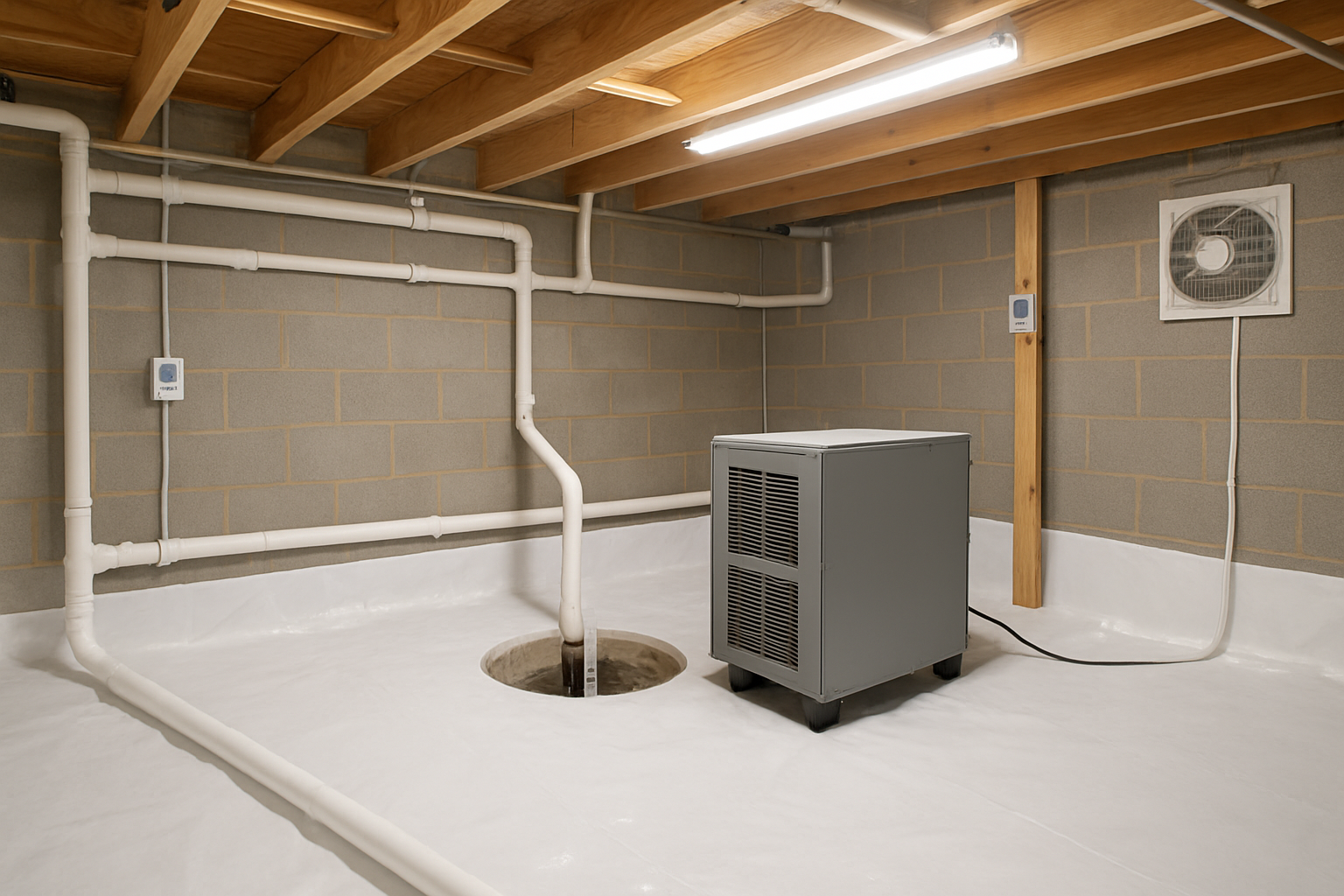
Installing Vapor Barriers for Maximum Protection
Your crawl space needs a quality vapor barrier installation to block ground moisture from entering your home. Choose 6-mil polyethylene sheeting or reinforced materials that resist tears and punctures. Seal all seams with specialized tape, overlap edges by 6 inches, and extend the barrier up foundation walls by 6 inches. Secure with mechanical fasteners every 12 inches along the perimeter. Pay special attention to areas around plumbing penetrations and support posts, using patches and sealants to maintain complete coverage. A properly installed vapor barrier reduces humidity levels by up to 40% and prevents mold growth, wood rot, and structural damage. Check your barrier annually for tears or gaps that could compromise its effectiveness.
Proper Ventilation Techniques That Actually Work
Crawl space ventilation requires strategic planning to prevent moisture buildup without creating new problems. Install cross-ventilation by placing vents on opposite walls, ensuring one square foot of vent space per 150 square feet of crawl space area. Position vents at least 8 inches above ground level to prevent water entry during heavy rains. Use foundation vents with automatic louvers that close during cold weather to prevent freezing pipes. If your crawl space has a vapor barrier covering 100% of the ground, you can reduce ventilation requirements significantly. Consider powered exhaust fans for problem areas with poor natural airflow. Block off unnecessary vents in encapsulated spaces to maintain controlled conditions and improve energy efficiency.
Dehumidification Solutions for Problem Areas
Target humidity levels between 30-50% using crawl space dehumidifier systems designed for harsh environments. Install units with automatic drainage systems to prevent overflow and choose models rated for low-temperature operation if your area experiences cold winters. Position dehumidifiers centrally for maximum air circulation and ensure adequate clearance around intake and exhaust areas. Set up condensate pumps for units below drainage level, routing water to sump pumps or exterior drainage. Monitor performance with digital hygrometers placed throughout the space. Size your dehumidifier properly – typically 1 pint capacity per 500 cubic feet of space for moderate moisture problems, or larger units for severe conditions. Regular maintenance includes cleaning coils, replacing filters, and checking drainage connections.
Insulation Strategies That Prevent Condensation
Focus your insulation efforts on foundation walls rather than floor joists to create a conditioned crawl space that prevents condensation formation. Install rigid foam board insulation directly against foundation walls, sealing gaps with spray foam to eliminate thermal bridges. Choose closed-cell foam with vapor barrier properties, or add a separate vapor barrier behind fiberglass batts. Avoid insulating between floor joists in vented crawl spaces, as this creates temperature differentials that promote condensation. Insulate rim joists thoroughly, as these areas are prime spots for moisture problems. Consider spray foam insulation for irregular spaces around utilities and penetrations. Maintain consistent temperatures throughout the crawl space to prevent warm, humid air from condensing on cool surfaces.
Drainage Systems to Redirect Water Away
Install interior and exterior drainage solutions to keep water away from your foundation and crawl space areas. Grade soil away from your foundation with a minimum 6-inch drop over the first 10 feet, and extend downspouts at least 10 feet from the house. Add French drains around the perimeter if surface grading isn’t sufficient, connecting them to daylight drainage or dry wells. Install sump pump systems in low-lying crawl spaces prone to water accumulation, with battery backup for power outages. Create interior drainage channels along foundation walls, directing water to collection points. Use waterproof membrane systems on foundation walls before backfilling. Check gutters regularly for clogs and ensure proper slope toward downspouts to prevent overflow near your foundation.
Smart Technology Solutions for Humidity Management
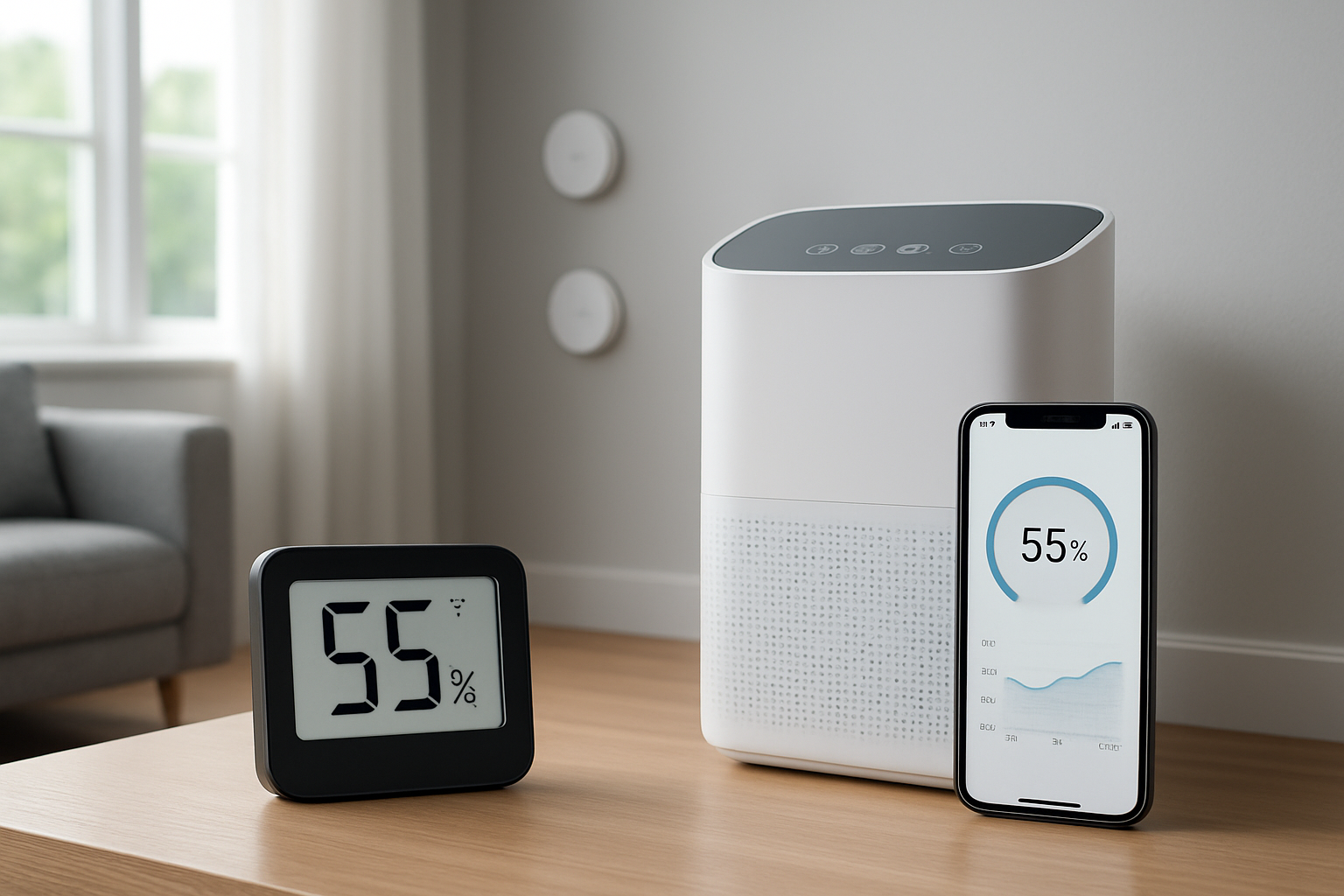
Wi-Fi Enabled Humidity Monitors for Real-Time Tracking
Your smartphone becomes your moisture control command center with Wi-Fi enabled humidity sensors that track conditions 24/7. These smart humidity sensors send instant alerts when levels spike, letting you catch moisture problems before they turn into expensive damage. Place multiple units throughout your home to monitor different zones and create comprehensive moisture maps.
Automated Dehumidifier Systems with Smart Controls
Smart dehumidifier systems take the guesswork out of humidity control by automatically adjusting based on real-time conditions. You can set target humidity levels through your phone and let the system maintain perfect conditions while you’re away. Advanced models integrate with your HVAC system and learn your home’s moisture patterns to optimize energy usage and prevent basement humidity problems.
Smartphone Apps That Alert You to Moisture Issues
Dedicated moisture control technology apps transform your phone into a powerful monitoring station that tracks humidity trends and predicts potential issues. These apps analyze data from your connected sensors to identify patterns that could lead to mold growth or structural damage. You’ll receive customized recommendations for when to run dehumidifiers, improve ventilation, or check your crawl space moisture levels based on weather forecasts and indoor conditions.
DIY Indoor Moisture Prevention Techniques
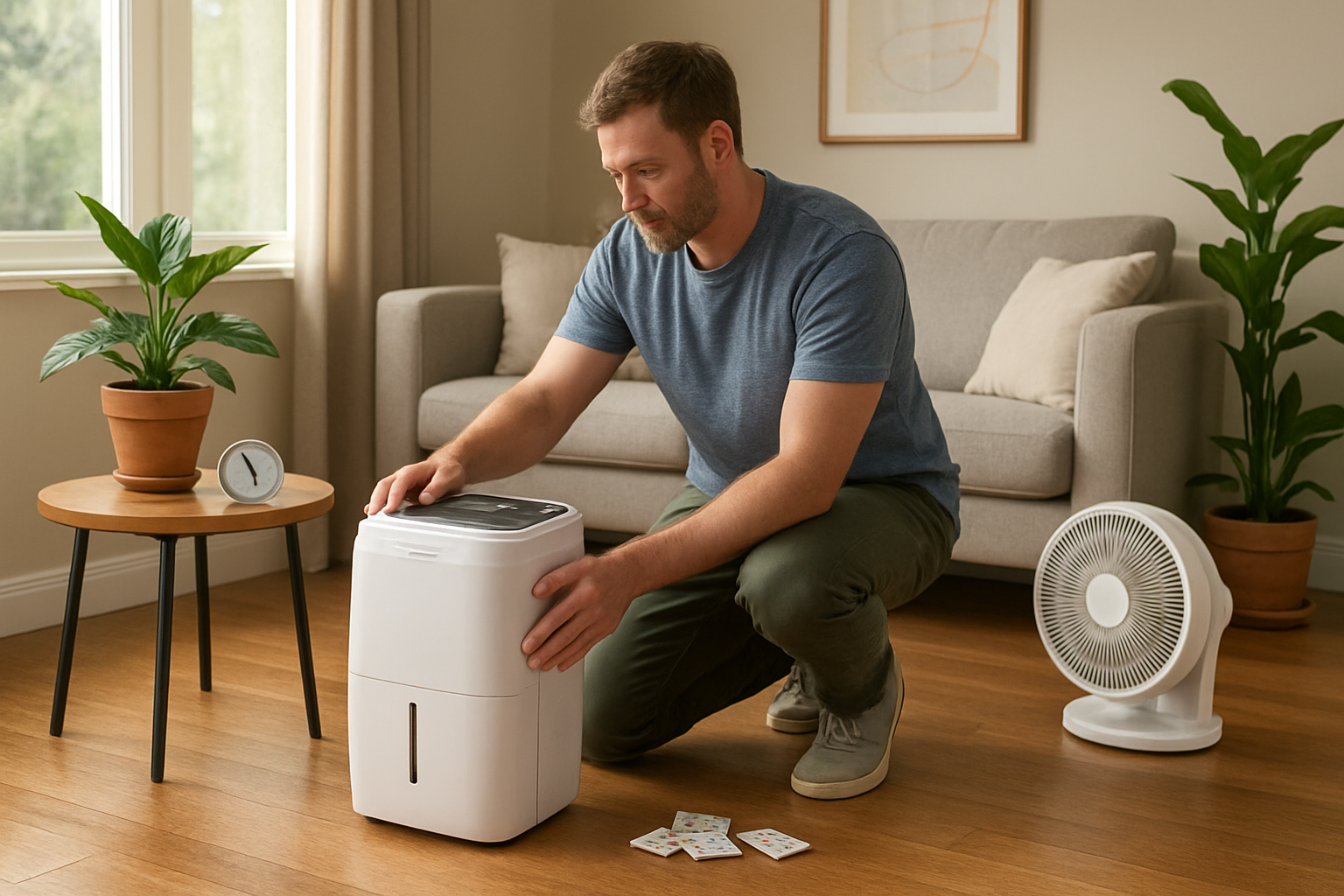
Strategic Plant Placement for Natural Humidity Control
Your houseplants can work double duty as natural dehumidifiers when you choose moisture-absorbing varieties like snake plants, spider plants, and Boston ferns. Position these humidity-hungry plants in your bathroom, kitchen, and laundry areas where excess moisture typically accumulates. Place larger plants like peace lilies near windows where condensation forms, and group smaller succulents throughout rooms to create natural moisture-wicking zones. You’ll want to avoid overwatering these plants, as soggy soil defeats the purpose of indoor moisture prevention.
Bathroom and Kitchen Ventilation Improvements
Transform your existing exhaust fans into moisture-fighting powerhouses by upgrading to higher CFM models and running them for at least 30 minutes after showers or cooking. Install humidity-activated switches that automatically turn fans on when moisture levels spike, giving you hands-free humidity control. Clean your fan grilles monthly and replace filters regularly to maintain peak performance. Open windows strategically during low-humidity days to create cross-ventilation that pulls moisture outside naturally.
Window Treatment Solutions That Reduce Condensation
Combat window condensation by installing thermal curtains or cellular shades that create insulating air pockets between the glass and your room. Move furniture away from windows to improve air circulation and prevent trapped moisture. Apply window film or storm windows as an extra barrier against temperature differences that cause condensation. Keep your blinds and curtains open during the day to let sunlight naturally evaporate any moisture buildup while warming the glass surface.
Simple Air Circulation Hacks Using Existing Equipment
Maximize your current fans and HVAC system by positioning ceiling fans to pull air upward during humid months and strategically placing box fans in doorways to create airflow between rooms. Run your air conditioning’s fan setting continuously rather than just during cooling cycles to keep air moving throughout your home. Place oscillating fans in corners where air tends to stagnate, and use your bathroom and kitchen fans even when you’re not actively using those spaces to maintain consistent air movement that prevents moisture accumulation.


