
Do You Really Need Skirting for Your Mobile Home? Pros & Cons Explained

If you own a mobile home, you’ve likely wondered whether skirting is a must-have or just a nice-to-have. At first glance, it might seem like a purely aesthetic choice, but skirting does far more than enhance your home’s look. It protects your home, saves energy, and may even be required by law. In this comprehensive guide, we’ll break down the pros and cons of mobile home skirting to help you decide if it’s right for your home. We’ll also explore materials, costs, installation tips, and more, ensuring you have all the information needed to make an informed choice.
What is Mobile Home Skirting?
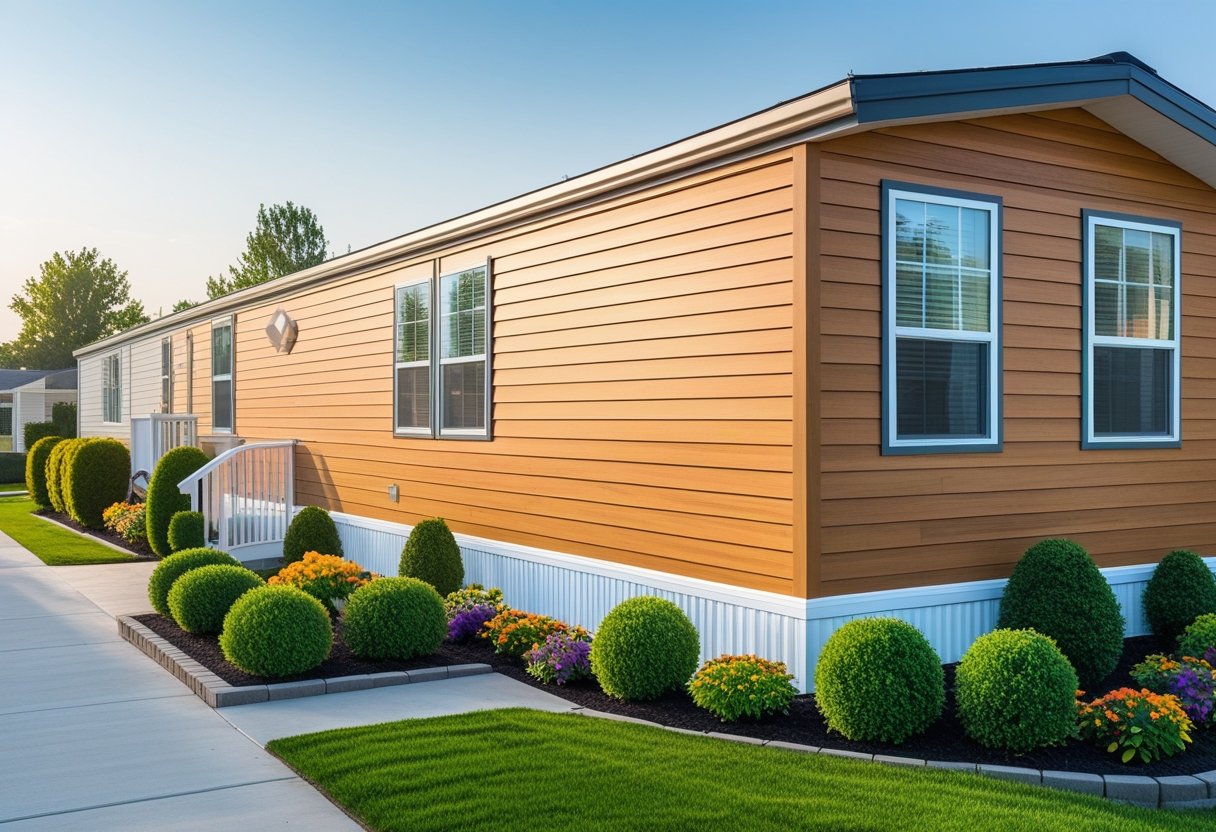
Mobile home skirting, often called underpinning, is a barrier that covers the open space between the ground and the bottom of a mobile home. This crawl space, typically found in homes with pier-and-beam foundations, is vulnerable to pests, weather, and temperature fluctuations. Skirting serves multiple purposes: it protects the undercarriage, improves insulation, and enhances curb appeal by hiding wheels and foundations. According to MHVillage, skirting is a critical component for maintaining a safe and comfortable mobile home. Additionally, the federal HUD code mandates skirting for manufactured homes, making it a legal necessity in many cases.
Summary: Skirting encloses the crawl space under a mobile home, offering protection, insulation, and aesthetic benefits while meeting legal requirements.

You Might Also Love These Ideas


Is Skirting Required by Law?
The federal HUD code, which governs manufactured homes, likely requires skirting to enclose the entire perimeter with weather-resistant materials, as noted in sources like Clayton Homes. Specific standards, such as those in the NFPA Model Manufactured Home Installation Standards, outline requirements for materials, ventilation, and access panels. For example, skirting must include ventilation openings (1 ft² per 150 ft² of floor area) and access panels (at least 18 in. x 24 in.). Local building codes may add further stipulations, such as specific materials or installation methods. Always check with local authorities to ensure compliance, as improper skirting could affect insurance claims or home warranties.
Summary: Skirting is likely mandatory under HUD regulations, with additional local requirements possible, making compliance essential.
Pros of Having Skirting
Skirting offers several compelling benefits that make it a worthwhile investment for most mobile homeowners. Below, we explore these advantages in detail.
Protection from Pests and Animals
Skirting acts as a barrier to prevent rodents, insects, and other animals from nesting under your home. These pests can damage wiring, insulation, and plumbing, leading to costly repairs. For instance, a homeowner in a rural area reported fewer pest issues after installing vinyl skirting, as it sealed off entry points effectively.
Weather Protection
Skirting shields the undercarriage from harsh weather elements like wind, snow, and rain. This protection is crucial for preventing pipe freezing in winter and structural damage from moisture. In cold climates, skirting can keep plumbing intact, saving you from expensive repairs.
Energy Efficiency and Insulation
By enclosing the crawl space, skirting creates a buffer that insulates your home. It retains warm air in winter and keeps the home cooler in summer, reducing energy bills. According to Homenation, properly installed skirting can lead to significant energy savings, especially in extreme climates.
Aesthetic Appeal
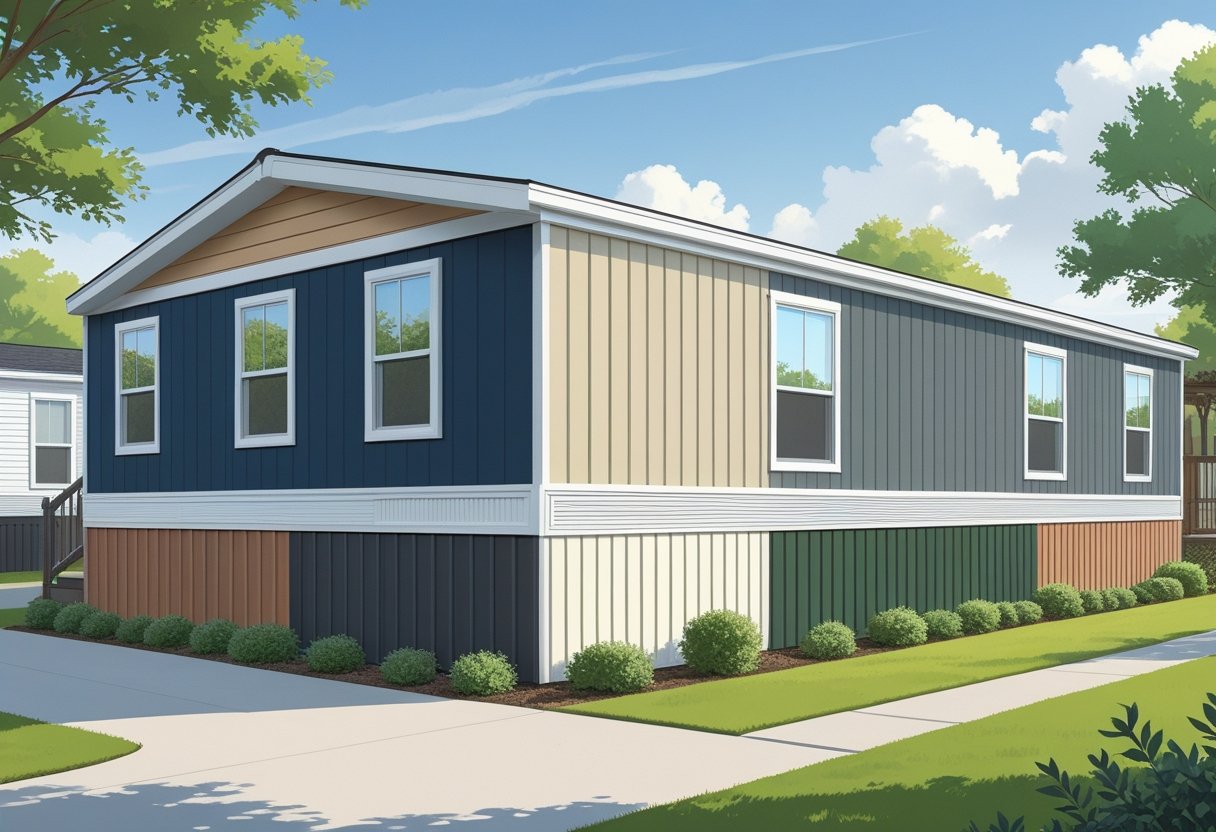
Skirting gives your mobile home a polished, traditional look by concealing wheels, axles, and foundations. This enhancement can boost curb appeal and potentially increase resale value. A well-skirted home in a mobile home community can stand out, attracting positive attention.
Legal Compliance and Insurance Benefits
Beyond meeting HUD requirements, skirting can lower insurance costs in some cases. As noted by Mobile Home Insurance of Texas, certain types of skirting may qualify for insurance discounts due to reduced risk of damage from pests or weather.
Summary: Skirting protects against pests and weather, saves energy, enhances appearance, ensures legal compliance, and may reduce insurance costs.
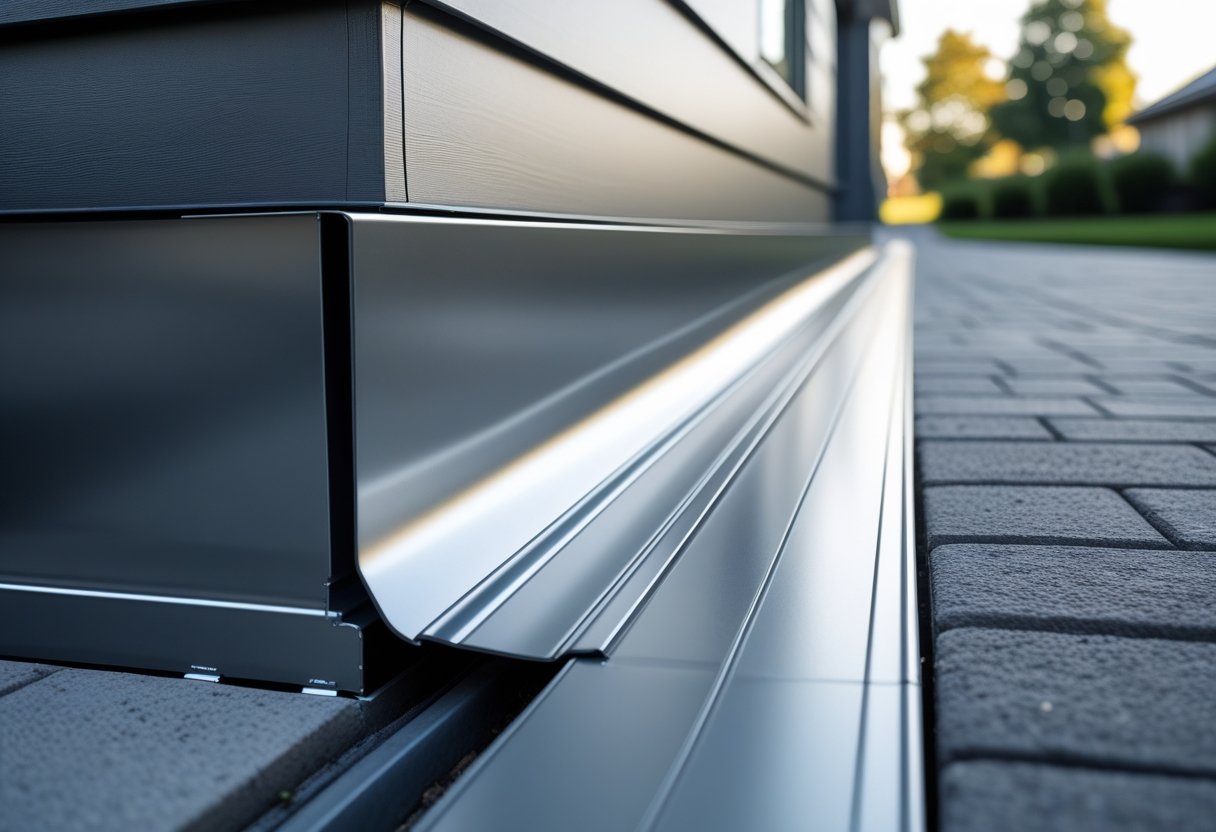
Cons of Having Skirting
While the benefits are significant, skirting also has drawbacks that homeowners should consider before deciding.
Initial Cost
The cost of skirting varies depending on the material and home size. According to CostHelper, vinyl skirting for a single-wide home ranges from $360 to $1,275, while double-wide homes cost $400 to $1,300. More durable materials like brick or concrete can push costs to $2,000–$4,000 or more, per HomeGuide.
Maintenance Requirements
Some materials, like wood, require regular maintenance such as painting or sealing to prevent rot. Even low-maintenance options like vinyl may need cleaning or repairs if damaged by weather or debris.
Installation Effort
Installing skirting can be time-consuming. DIY installation is possible with materials like vinyl, but it requires tools, measurements, and adherence to ventilation standards. Professional installation, while faster, adds labor costs, typically $45/hour, according to MHVillage.
Potential Moisture Issues
If not properly ventilated, skirting can trap moisture, leading to mold or mildew growth. The HUD code requires ventilation to prevent this, but improper installation can negate these benefits. Regular checks are needed to ensure vents remain clear.
Summary: Skirting involves upfront costs, maintenance, installation effort, and potential moisture risks if not installed correctly.
Types of Mobile Home Skirting
Choosing the right skirting material depends on your budget, climate, and aesthetic preferences. Below is a comparison of common options:
|
Material |
Pros |
Cons |
Approximate Cost (Single-Wide) |
|---|---|---|---|
|
Vinyl |
Affordable, easy to install, variety of styles |
Can crack in extreme weather, less durable |
$360–$1,275 |
|
Insulated Vinyl |
Enhanced insulation, good for cold climates |
Higher cost, still less durable |
$1,440–$4,000 |
|
Concrete |
Durable, pest-resistant, good insulation |
Expensive, labor-intensive installation |
$1,000–$3,000 |
|
Metal |
Durable, lightweight, affordable |
Can dent, some types rust |
~$500–$1,500 |
|
Wood |
Aesthetically pleasing, customizable |
Requires maintenance, prone to rot |
$800–$2,000 |
|
Faux Stone |
Stylish, low maintenance |
Can be costly, less durable than real stone |
$680–$1,400 |
|
Brick |
Durable, attractive, good insulation |
Very expensive, labor-intensive |
$1,000–$2,400 |
Summary: Various skirting materials offer different balances of cost, durability, and aesthetics, catering to diverse homeowner needs.
How to Choose the Right Skirting for Your Home
Selecting the best skirting involves considering several factors:
-
Climate: In cold regions, choose insulated vinyl or concrete for better energy efficiency. In windy areas, durable materials like concrete or metal are preferable.
-
Budget: Vinyl is the most cost-effective, while brick and concrete are pricier but longer-lasting.
-
Aesthetics: Match the skirting to your home’s exterior for a cohesive look. Faux stone or brick can mimic traditional homes.
-
Durability: Concrete and brick withstand harsh conditions better than vinyl or wood.
-
Maintenance: Opt for low-maintenance materials like vinyl or faux stone if upkeep is a concern.
Consulting a professional can help tailor your choice to your specific needs and local regulations.
Summary: Choose skirting based on climate, budget, aesthetics, durability, and maintenance preferences.
Installation Tips
Installing skirting requires careful planning:
-
DIY vs. Professional: DIY is feasible with vinyl kits, but professionals ensure compliance and quality, especially for complex materials like brick.
-
Tools Needed: Drill, hammer, tape measure, level, tin snips, and screws for vinyl; additional tools for concrete or brick.
-
Steps: Measure the perimeter and height, level the ground, install tracks, cut panels, secure with screws, and add vents and access panels.
-
Compliance: Follow HUD ventilation and access requirements, and check local codes.
Summary: Proper installation, whether DIY or professional, ensures skirting meets legal and functional standards.
Maintenance and Care
To keep skirting in top condition:
-
Inspect Regularly: Check for damage, cracks, or wear, especially after storms.
-
Clean as Needed: Wash vinyl or metal with mild soap; repaint or reseal wood as required.
-
Repair Promptly: Replace damaged panels to maintain protection.
-
Ensure Ventilation: Keep vents clear to prevent moisture buildup.
Summary: Regular maintenance extends skirting’s lifespan and effectiveness.
Common Myths About Mobile Home Skirting
To provide a unique perspective, let’s debunk some myths:
-
Myth: Skirting is only for aesthetics. Fact: It’s critical for protection, insulation, and legal compliance.
-
Myth: Skirting traps moisture automatically. Fact: Proper ventilation prevents moisture issues.
-
Myth: All skirting is permanent. Fact: Materials like vinyl are removable, aiding future moves.
Summary: Understanding myths helps clarify skirting’s true value and requirements.
Conclusion
Mobile home skirting is likely essential due to HUD regulations and its numerous benefits, including pest and weather protection, energy savings, and enhanced curb appeal. While costs, maintenance, and installation effort are considerations, the advantages often outweigh these drawbacks. By choosing the right material and ensuring proper installation, you can protect your home and potentially save on energy and insurance costs. Weigh your specific needs—climate, budget, and aesthetics—to make the best decision for your mobile home.
FAQ
Is mobile home skirting necessary?
Yes, it’s likely required by the HUD code and provides critical protection and energy benefits.
What are the benefits of mobile home skirting?
It protects against pests, weather, improves insulation, enhances appearance, and may lower insurance costs.
How much does mobile home skirting cost?
Costs range from $360 to $4,000 or more, depending on material and home size.
Can I install mobile home skirting myself?
Yes, especially with vinyl kits, but ensure proper tools and compliance with regulations.
What is the best material for mobile home skirting?
Vinyl is popular for affordability; concrete or brick for durability. Choose based on your needs.
Call to Action
Ready to protect and enhance your mobile home with skirting? Contact a local professional for a free quote or explore skirting options at Skirting Direct to find the perfect fit for your home.
Author Bio
Steve, a home improvement expert with 15 years of experience in mobile home maintenance, shares practical insights to help homeowners make informed decisions. His work has been featured in industry publications, guiding thousands in optimizing their living spaces.


