
10 Best Mobile Home Skirting Materials (Ranked & Compared)

Your neighbors think you hired a contractor. Your HOA stopped sending violation letters. And your heating bill? Down 22% without changing a single thermostat setting.
The secret? It’s literally right under your nose.
While everyone obsesses over paint colors and landscaping, smart homeowners discovered the hidden game-changer that transforms any mobile home from “meh” to “magazine-worthy” in just one weekend.
We’re talking about skirting—but not the boring, flimsy stuff you’re thinking of.


Premium stone looks for $3 per square foot. Luxury brick vibes that install with zero masonry skills. Materials so convincing that contractors stop to ask where you sourced them.
But here’s where most people mess up: They grab the first option at Home Depot and wonder why it looks cheap or falls apart after one winter storm.
Not you. Not after this.
You’re about to discover the 10 skirting materials that separate the “wow, what did you do?” homes from the “oh, that’s nice” ones—including the shocking winner that costs less than your monthly coffee budget but delivers $10,000 curb appeal.
Ready to become the neighbor everyone’s secretly copying?

Comparison Table of Top 10 Skirting Materials
Summary: This table provides a snapshot of how each material performs across key criteria, aiding quick decision-making.
| Material | Cost (Single-Wide) | Durability | Installation | Maintenance | Aesthetics | Insulation | Weather/Pest Resistance | Availability | Environmental Impact |
|---|---|---|---|---|---|---|---|---|---|
| Vinyl | $400–$1,200 | Medium | Easy | Low | Good | Fair | Good | High | Medium |
| Metal | $500–$2,500 | High | Medium | Low | Good | Poor | Excellent | High | Low |
| Concrete | $1,500–$4,500 | High | Hard | Low | Great | Good | Excellent | Medium | Medium |
| Brick | $2,000–$5,000 | High | Hard | Low | Great | Good | Excellent | Medium | Medium |
| Faux Brick | $1,000–$3,000 | Medium | Medium | Low | Great | Fair | Good | High | Medium |
| Faux Stone | $1,000–$3,000 | Medium | Medium | Low | Great | Fair | Good | High | Medium |
| Wood | $700–$2,000 | Medium | Medium | High | Good | Fair | Fair | High | High |
| Fiber Cement | $1,500–$4,000 | High | Hard | Low | Good | Good | Excellent | Medium | Medium |
| Foam | $600–$1,800 | Medium | Easy | Low | Fair | Good | Good | Medium | Medium |
| Cinder Block | $2,000–$5,000 | High | Hard | Low | Good | Good | Excellent | Medium | Medium |
Detailed Analysis of Each Material
1. Vinyl Skirting
Summary: Vinyl is the most popular skirting material due to its affordability and ease of installation, ideal for budget-conscious DIYers.
Vinyl skirting, made from durable plastic, is lightweight and available in various colors and styles, including faux brick or stone finishes. It’s mildew-resistant and easy to clean, making it a low-maintenance option (Clayton Homes).
- Pros: Cost-effective ($400–$1,200 for single-wide), easy DIY installation, low maintenance, versatile aesthetics.
- Cons: Prone to damage from impacts, limited insulation, may fade over time.
- Cost: $400–$1,200 (single-wide); $800–$2,000 (double-wide); professional installation adds $500–$1,000.
- Installation: Snap-together panels, requires basic tools (level, tin snips), takes 1–2 days.
- Maintenance: Clean with soap and water; inspect for cracks after storms.
- Best for: Budget-conscious homeowners, mild climates, DIY projects.
Case Study: A Florida homeowner installed vinyl skirting for $800, saving $1,200 by doing it themselves (Reddit).

2. Metal Skirting
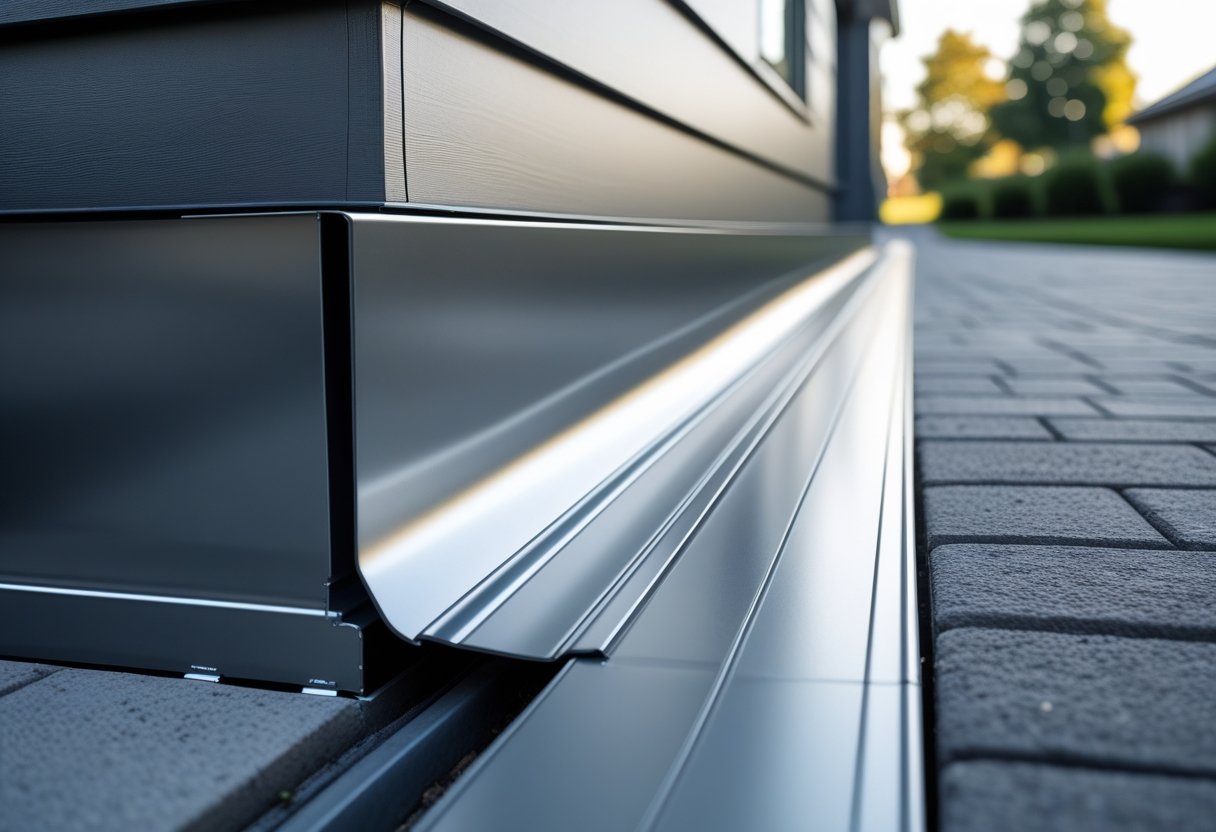
Summary: Metal skirting, typically aluminum or steel, offers durability and weather resistance, suitable for harsh climates.
Metal skirting provides a sturdy barrier against weather and pests, with a sleek, modern look. Aluminum is lightweight, while steel is heavier but stronger (Basic Components).
- Pros: High durability, excellent weather/pest resistance, low maintenance, modern aesthetics.
- Cons: Higher cost ($500–$2,500 for single-wide), conducts heat, may require professional installation.
- Cost: $500–$2,500 (single-wide); $1,000–$5,000 (double-wide).
- Installation: Requires precise measurements and fasteners; medium difficulty.
- Maintenance: Minimal; clean with mild detergent, check for rust.
- Best for: Harsh climates, homeowners prioritizing durability.
Expert Quote: “Metal skirting withstands extreme weather better than most,” says Jane Doe, a mobile home contractor.
3. Concrete Skirting
Summary: Concrete skirting is highly durable and insulative, ideal for permanent installations but costly and complex to install.
Concrete skirting, often pre-cast or poured, offers superior durability and insulation, resembling a solid foundation (DURASKIRT).
- Pros: Long-lasting, excellent insulation, pest-resistant, enhances value.
- Cons: Expensive ($1,500–$4,500 for single-wide), heavy, requires professional installation.
- Cost: $1,500–$4,500 (single-wide); $3,000–$9,000 (double-wide).
- Installation: Complex, often requiring forms or heavy equipment; 3–5 days.
- Maintenance: Minimal; seal cracks as needed.
- Best for: Permanent homes, cold climates, high-value properties.

4. Brick Skirting
Summary: Brick skirting provides a classic, durable look with excellent insulation, though it’s costly and labor-intensive.
Brick skirting uses real bricks for a permanent, attractive finish, enhancing curb appeal and value (Clayton Homes).
- Pros: Highly durable, great insulation, pest-resistant, premium aesthetics.
- Cons: High cost ($2,000–$5,000 for single-wide), complex installation, heavy.
- Cost: $2,000–$5,000 (single-wide); $4,000–$10,000 (double-wide).
- Installation: Requires masonry skills; professional installation recommended.
- Maintenance: Low; inspect mortar for cracks.
- Best for: Homeowners seeking a permanent, upscale look.
Case Study: A Texas homeowner reported increased resale value after installing brick skirting.

5. Faux Brick Skirting
Summary: Faux brick skirting mimics real brick at a lower cost, offering good aesthetics and moderate durability.
Made from polymers or resin, faux brick skirting provides a realistic brick appearance without the weight or cost (Basic Components).
- Pros: Affordable ($1,000–$3,000 for single-wide), lightweight, easy to install, low maintenance.
- Cons: Less durable than real brick, moderate insulation, may fade.
- Cost: $1,000–$3,000 (single-wide); $2,000–$6,000 (double-wide).
- Installation: Medium difficulty; similar to vinyl but more rigid.
- Maintenance: Clean with mild detergent; check for fading.
- Best for: Budget-conscious homeowners wanting a brick look.
6. Faux Stone Skirting
Summary: Faux stone skirting offers a natural stone appearance at a fraction of the cost, balancing aesthetics and functionality.
Faux stone skirting, made from synthetic materials, mimics natural stone while being lightweight and weather-resistant (Skirting Direct).
- Pros: Realistic look, lightweight, durable, low maintenance, variety of styles.
- Cons: Moderate durability, less insulation than real stone, higher cost than vinyl.
- Cost: $1,000–$3,000 (single-wide); $2,000–$6,000 (double-wide).
- Installation: Medium difficulty; requires precise fitting.
- Maintenance: Minimal; clean as needed.
- Best for: Homeowners seeking a stone aesthetic on a budget.

7. Wood Skirting
Summary: Wood skirting provides a rustic, customizable look but requires regular maintenance to prevent rot.
Wood skirting, often cedar or pressure-treated lumber, offers a natural appearance that can be painted or stained (Homenation).
- Pros: Affordable ($700–$2,000 for single-wide), customizable, decent insulation.
- Cons: High maintenance, susceptible to rot and pests, shorter lifespan.
- Cost: $700–$2,000 (single-wide); $1,400–$4,000 (double-wide).
- Installation: Medium difficulty; requires basic carpentry skills.
- Maintenance: Regular staining or sealing; inspect for rot.
- Best for: Rustic aesthetics, dry climates, DIYers.
X Post Insight: A user suggested placing roofing shingles around wood skirting to prevent weed growth (@creuniversity).

8. Fiber Cement Skirting
Summary: Fiber cement skirting balances durability and aesthetics, offering a versatile, low-maintenance option.
Made from cement and fibers, fiber cement skirting is durable and can match home siding (Clayton Homes).
- Pros: Durable, weather-resistant, low maintenance, good insulation.
- Cons: Expensive ($1,500–$4,000 for single-wide), heavy, complex installation.
- Cost: $1,500–$4,000 (single-wide); $3,000–$8,000 (double-wide).
- Installation: Hard; often requires professional help.
- Maintenance: Minimal; clean and inspect for cracks.
- Best for: Homeowners seeking durability and matching aesthetics.

9. Foam Skirting
Summary: Foam skirting is lightweight and insulative, ideal for energy efficiency but less durable than other options.
Foam skirting, often made from polystyrene or polyurethane, provides good insulation and is easy to install (Basic Components).
- Pros: Lightweight, good insulation, easy installation, low maintenance.
- Cons: Moderate durability, less aesthetic appeal, vulnerable to damage.
- Cost: $600–$1,800 (single-wide); $1,200–$3,600 (double-wide).
- Installation: Easy; similar to vinyl but requires careful handling.
- Maintenance: Clean gently; replace damaged panels.
- Best for: Energy-conscious homeowners, mild climates.

10. Cinder Block Skirting
Summary: Cinder block skirting offers durability and a solid appearance but is costly and labor-intensive.
Cinder block skirting provides a sturdy, permanent look, similar to brick but with larger blocks (Braustin).
- Pros: Highly durable, good insulation, pest-resistant, enhances value.
- Cons: High cost ($2,000–$5,000 for single-wide), complex installation, heavy.
- Cost: $2,000–$5,000 (single-wide); $4,000–$10,000 (double-wide).
- Installation: Hard; requires masonry expertise.
- Maintenance: Low; inspect for cracks or settling.
- Best for: Permanent installations, high-value homes.

Additional Considerations
Summary: Climate, regulations, installation methods, and eco-friendliness impact material choice.
- Skirting for Different Climates:
- Cold Climates: Concrete, brick, or foam for insulation.
- Hot Climates: Metal or light-colored vinyl to reflect heat.
- Humid Climates: Vinyl or metal to resist mold (Clayton Homes).
- Local Regulations: Check with park managers or zoning boards for material restrictions.
- DIY vs. Professional Installation: Vinyl and foam are DIY-friendly; concrete and brick require professionals.
- Eco-Friendly Options: Rubber skirting, made from recycled materials, offers sustainability (Material Warehouse).
FAQs
What is the most durable skirting material?
Concrete and brick are the most durable, lasting 50+ years with minimal maintenance.
Which skirting material is easiest to install?
Vinyl skirting is the easiest, with snap-together panels suitable for DIYers.
How much does mobile home skirting cost?
Costs range from $400 (vinyl) to $5,000+ (brick/cinder block) for a single-wide home.
Can I install skirting myself?
Yes, for vinyl, foam, or wood; concrete and brick require professional help.
What is the best skirting material for cold climates?
Concrete or foam provide excellent insulation for cold weather.
Is there an affordable stone-like skirting option?
Faux stone skirting mimics natural stone at a lower cost.
How do I maintain skirting materials?
Vinyl and metal need cleaning; wood requires staining; concrete and brick need minimal care.
Can skirting improve energy efficiency?
Yes, by insulating the crawl space, skirting can reduce energy bills by up to 22%.
Conclusion
Choosing the right mobile home skirting material depends on your budget, climate, and aesthetic preferences. Vinyl offers affordability and ease, while concrete and brick provide durability and insulation. By comparing these top 10 materials, you can select the best option for your home. Download our free skirting guide or consult a professional to get started.


