
13 Raised Bed Garden Layouts for a Stunning DIY Yard

Creating a beautiful, functional garden can be overwhelming, especially if you’re short on space or just craving a change. You might find yourself wondering how on earth to arrange your plants so your yard feels both practical and inviting.
Raised bed garden layouts offer a straightforward way to maximize space and make gardening so much easier (and honestly, more fun).
Whether you’re just starting out or you want to give your current setup a boost, knowing the right layouts saves time and effort. This article dives into 12 gorgeous raised bed garden designs that work for all kinds of yards and personal styles.
You’ll find layouts that make plant care easier, help your soil thrive, and really polish up your outdoor space. If you want even more inspiration, check out these 12 expert-approved raised garden bed ideas.


1) Classic Rectangular Beds in Raised Wood Frames

Classic rectangular beds are a go-to if you want something simple and easy to manage. Build the frames with cedar or redwood—those woods hold up better and don’t rot as quickly.
Keep the width around 3-4 feet so you can reach the middle without stepping in and compacting the soil. This layout fits just about any yard and works for veggies, herbs, or flowers.
Arrange a few beds side by side with paths in between, and you’ll have neat rows that make watering and weeding a breeze. Just don’t make the beds too long without extra support, or the wood might start to bow.
If you’re just starting with raised beds, these classic rectangular frames are a solid foundation. They offer structure, flexibility, and pretty low maintenance. For more tips, check out these 15 stunning raised bed garden layouts.
2) Tiered Raised Beds for Space Efficiency

Tiered raised beds let you pack in more plants without needing a huge yard. Stack beds at different heights to create layers and really use that vertical space.
This style is a lifesaver on slopes or in small yards where flat ground is scarce. Put shallow-rooted herbs on top and deeper-rooted veggies down below. That way, you get the most out of your soil and drainage improves naturally.
Don’t crowd the beds—leave enough space to reach every level. Use sturdy wood or stone to build tiers that last, and keep the angles gentle so soil doesn’t wash away.
Adding drip irrigation helps with consistent watering. If you want a tidy, organized garden that feels lush even in a compact space, tiered raised beds are worth a try. For more inspiration, check out creative raised bed layouts for every yard.
3) L-Shaped Raised Garden Beds for Corner Use

L-shaped raised beds just make sense if you’ve got awkward corners in your yard. They tuck right in, letting you squeeze out more planting space without messing up your walkways or blocking your view.
Grow veggies, herbs, or flowers—whatever you like—without wasting an inch. I love how you can reach every part of the bed without stepping in the dirt and compacting the soil.
Kits usually come in cedar or metal, which hold up well against rot and weather. Just don’t build them too high, unless you want a backache every time you water or weed.
Mix an L-shaped bed with a few rectangular ones, and suddenly you’ve got custom paths and a tidy, organized look. If you want to make the most of those forgotten corners, an L-shaped bed is honestly a game changer.
Check out L-shaped modular raised garden beds with sturdy cedar construction if you’re curious about options.
4) Square Foot Garden Grid Layout
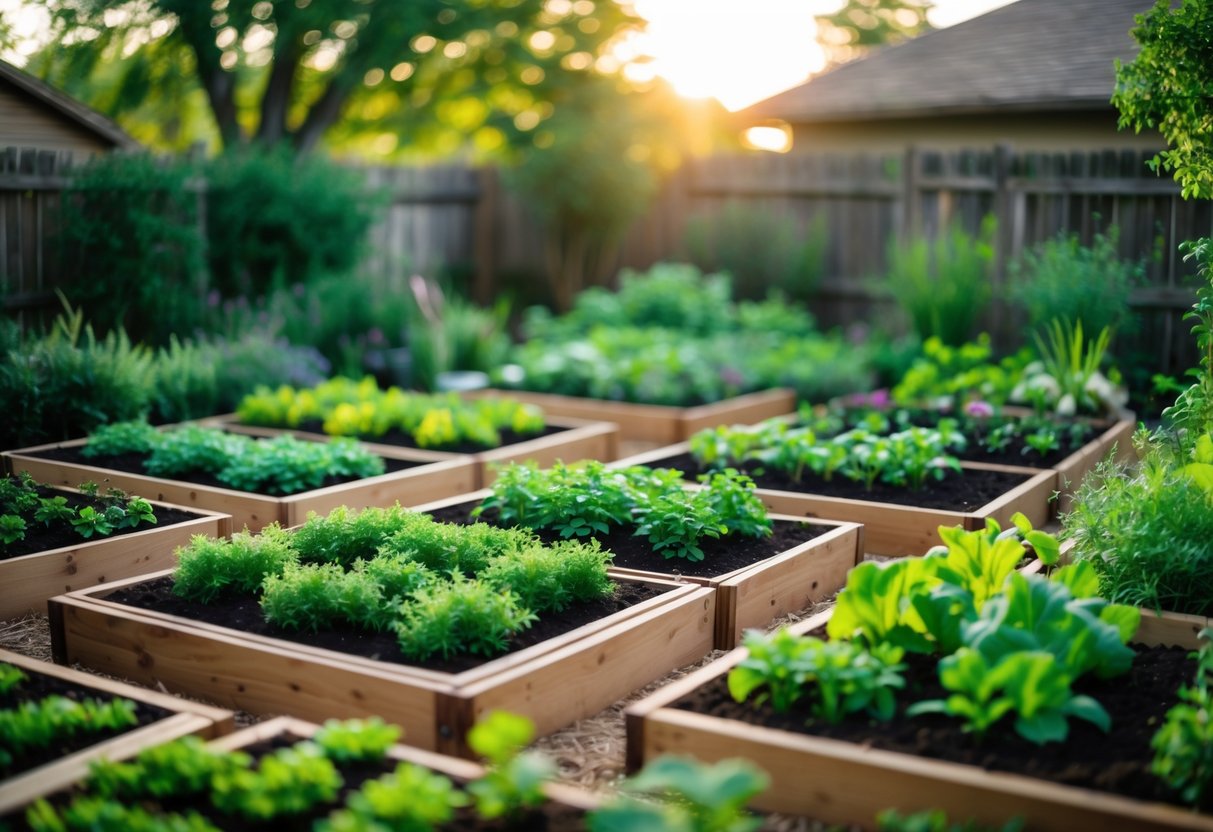
You can really get the most out of your space with the square foot garden grid layout. It divides your raised bed into small, equal sections—usually just a foot square each.
This makes it way easier to organize different crops and sidestep overcrowding. Use a simple wood or wire grid to mark out each square.
Plant based on how many fit per square—one tomato, but maybe 16 carrots. A lot of folks cram too many plants in, which just leads to poor growth and disease.
Stick to spacing guides for each plant to get a better yield. This layout works for any bed size and helps you grow a bunch of veggies in a tidy, manageable way.
Curious for more? Check the Square Foot Gardening Layout Guide.
5) U-Shaped Raised Beds for Accessibility
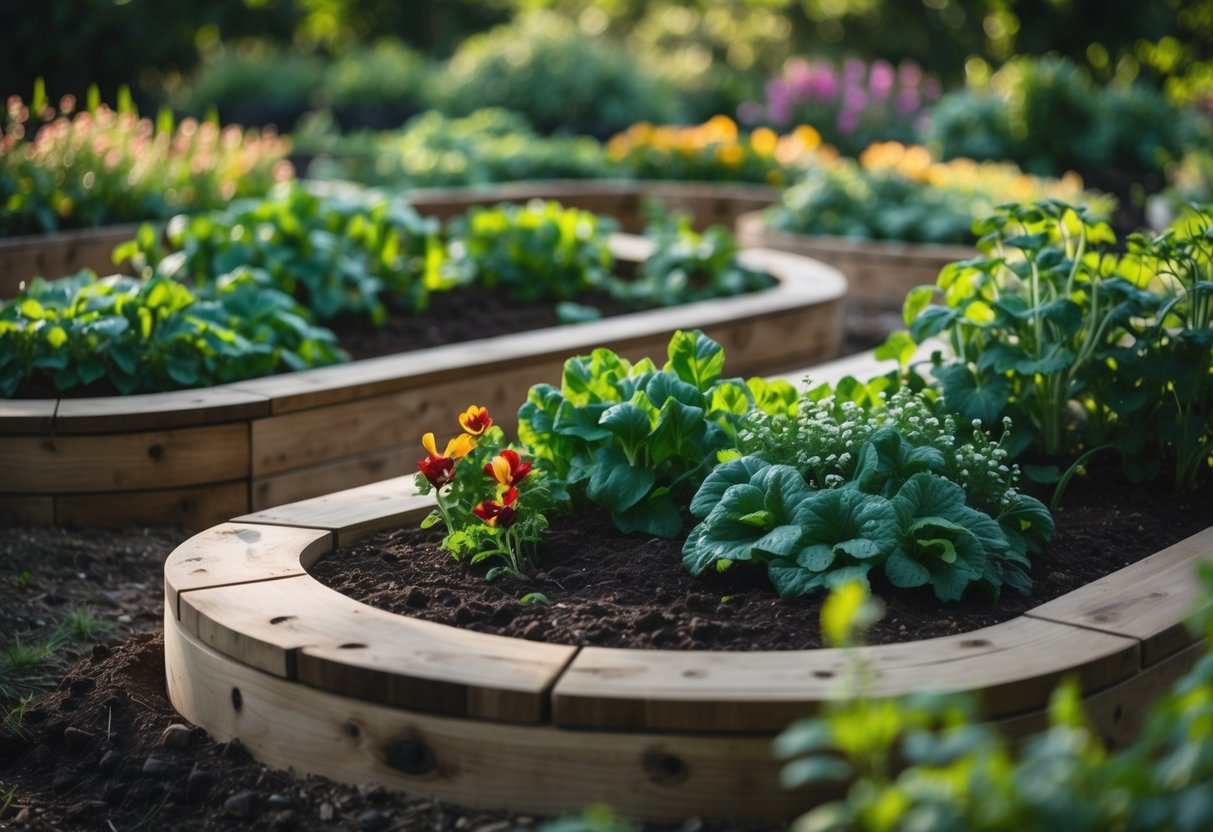
U-shaped raised beds make it so much easier to access your plants. The open center lets you reach everything without stepping in, which means you won’t pack down the soil.
This design is a lifesaver if you have limited mobility or use a wheelchair. You can fit more plants in less space since the bed wraps around you.
Just make sure the walkway is wide enough for comfort. Using cedar or pine keeps the bed sturdy and natural-looking.
Don’t go overboard on depth—10 to 12 inches is plenty. Too deep, and it’s a pain to reach the middle.
Quick tip: a frame that slides together can make assembly a breeze. For layout ideas, see building accessible garden beds.
6) Circular Raised Garden Bed
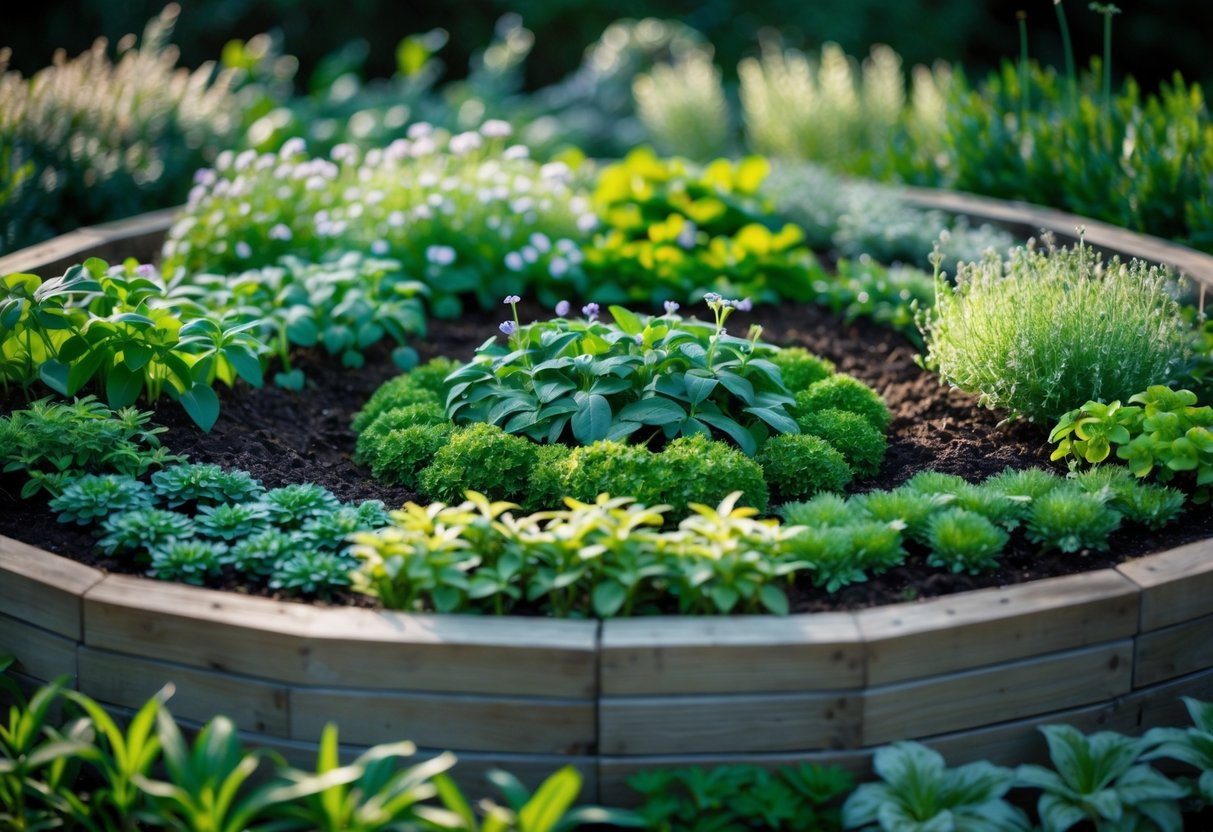
Circular raised beds let you reach everything from any side—no need to step in and mess up the soil. Planting and harvesting suddenly feel way less awkward.
You can build it with wood, stone, or metal, depending on your vibe and budget. Round beds also boost drainage and airflow, which roots love.
If you make it too wide, though, you’ll lose that easy access. Keep the diameter small enough to reach the middle without stretching.
Circular beds add a natural, flowing feel to your garden. Use one as a focal point, or group a few smaller ones for a playful look.
Need fresh ideas? Check out creative circular raised bed layouts for inspiration.
7) Geometric Hexagon Arrangements
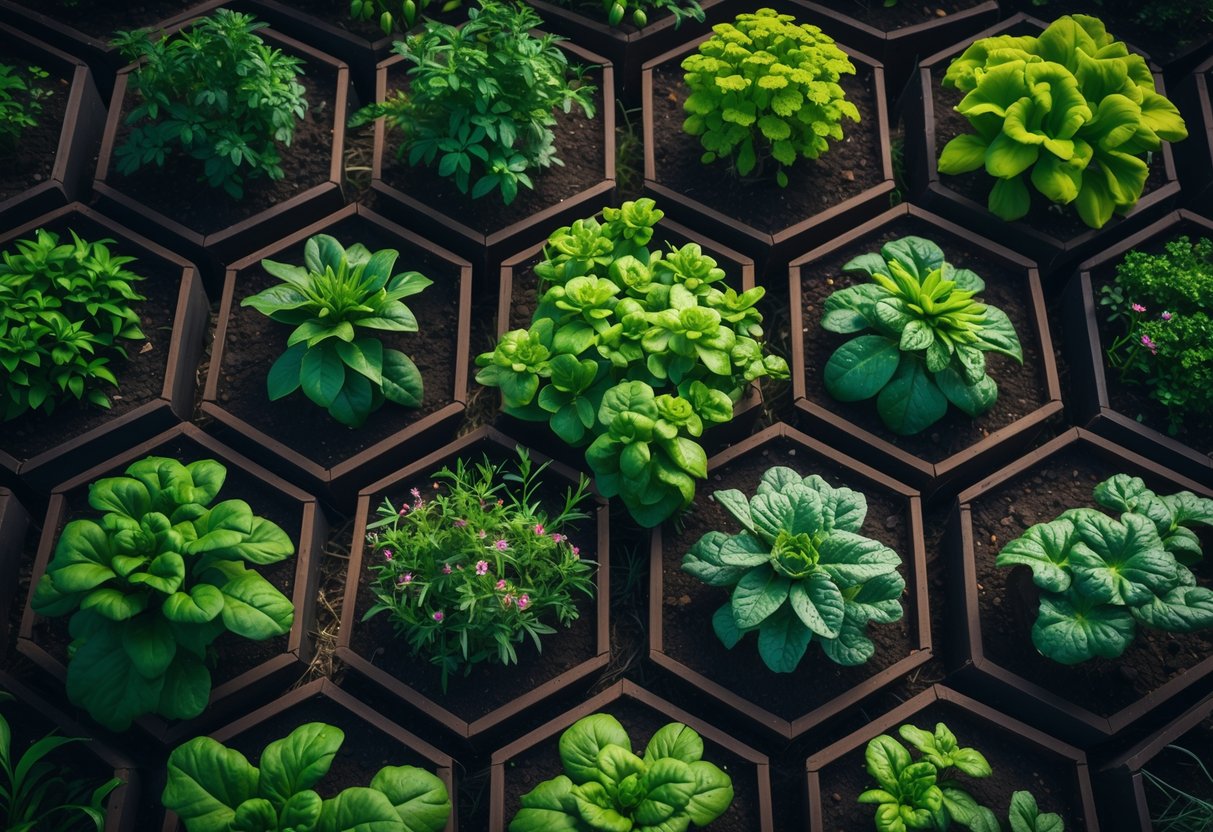
Hexagon layouts give your raised beds a modern edge and squeeze in more growing space. The six-sided shapes fit together perfectly, so you don’t waste any room.
This setup keeps crops organized and makes your garden look sharp. You can cluster hexagons or go all-in with a honeycomb pattern—just remember to leave enough space for paths.
Try mixing up bed heights for more dimension and better sun exposure. If you want a garden that stands out, hexagonal beds are a solid choice.
Curious how to pull it off? Browse examples of hexagonal layouts that balance style and function.
8) Keyhole Garden Layout
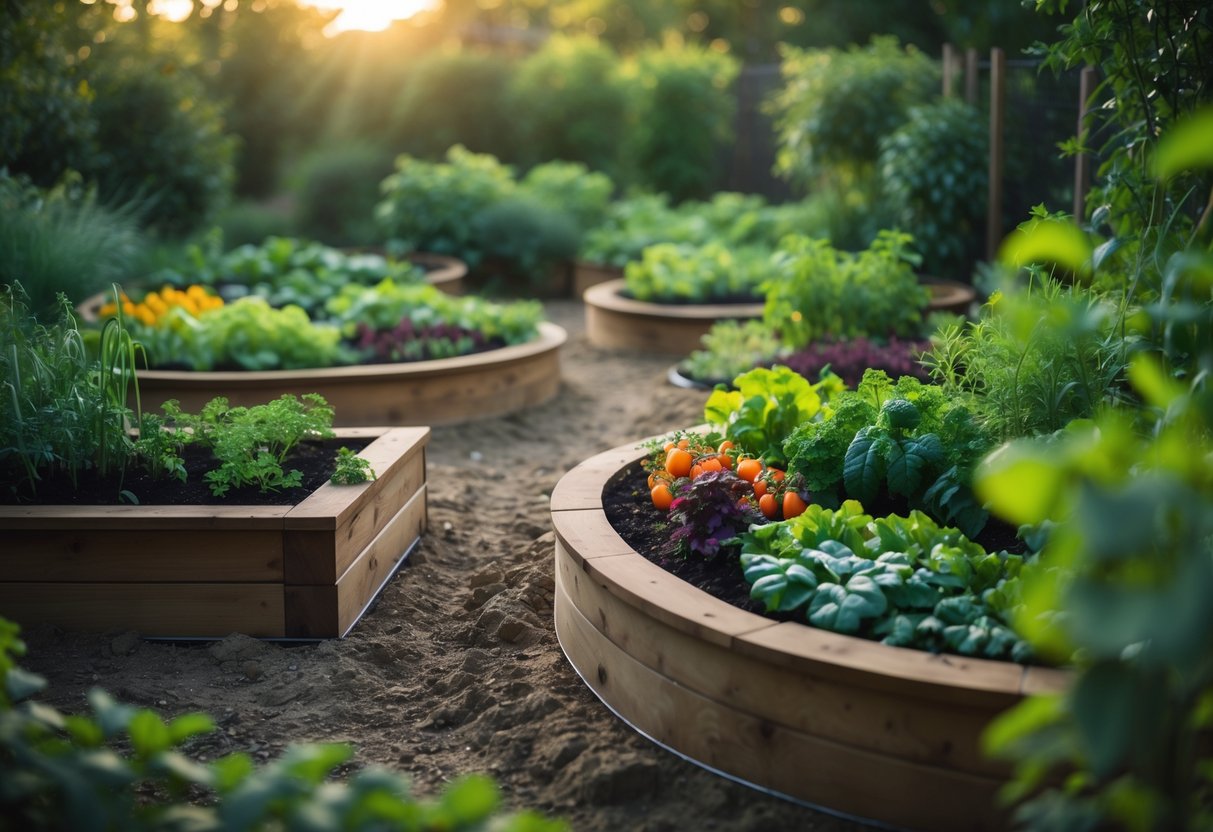
Keyhole gardens are clever if you want to save space and effort. Build a circular raised bed with a compost basket in the middle.
Watering and feeding plants gets easier, since nutrients flow right from the compost. You can reach everything without stepping on the soil, so plants stay healthier.
They’re great for small yards or dry spots because they hold moisture so well. Just make sure the bed’s level so water doesn’t pool around the compost basket.
Try putting your most-used herbs and veggies close to the center for quick grabs. Once you get the hang of it, caring for a keyhole bed feels pretty natural.
9) Raised Beds with Integrated Seating
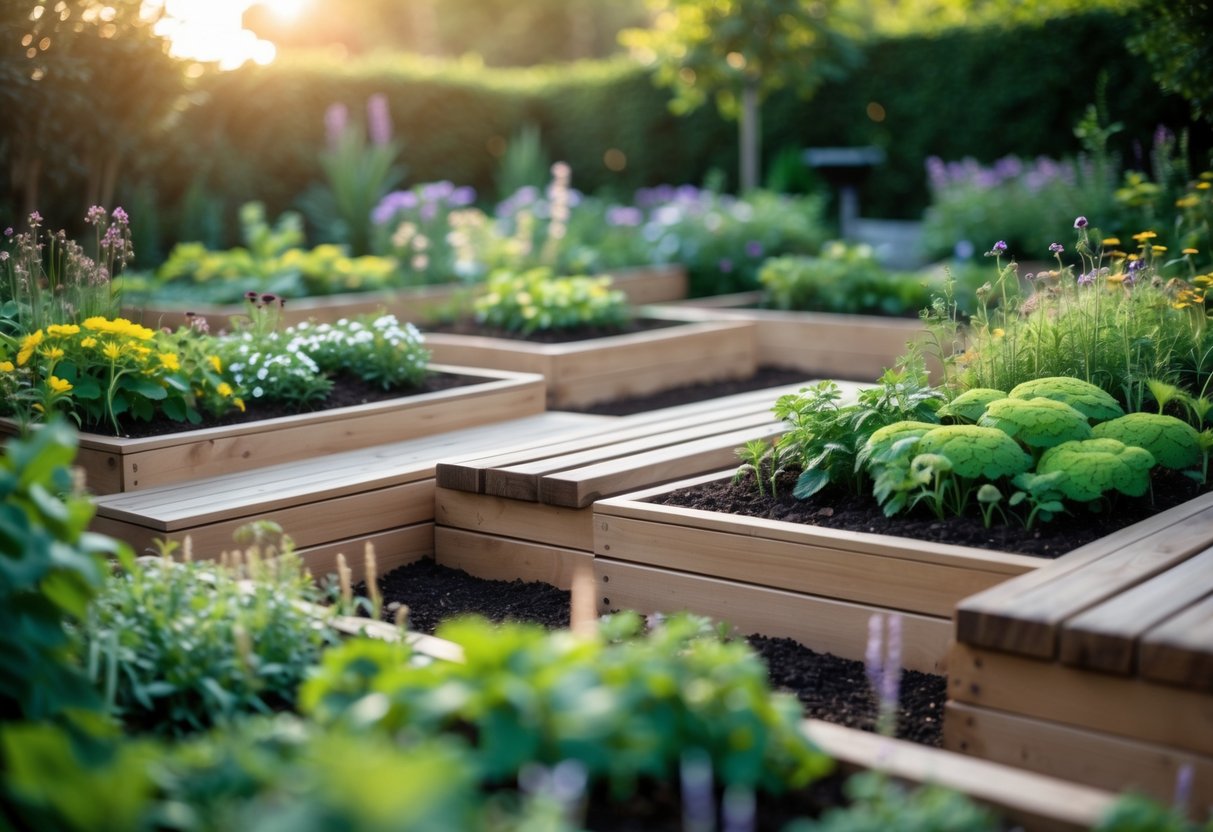
Adding seating to your raised beds makes gardening a whole lot more comfortable. You get a spot to sit and take a breather between weeding or watering.
Most designs use wooden benches along one or more sides. Build the seats sturdy enough to hold up, but keep them low for comfort.
Match the seating material to your bed—cedar or composite wood works great. Some folks even toss on a cushion for sunny afternoons.
Don’t make the seats too wide, though, or you’ll lose planting space. Plan for drainage near the seats, so you don’t end up with soggy wood.
This idea turns your beds into inviting spots to relax and enjoy your plants. Want to try it? Watch how to build a decorative raised garden bed with seating for inspiration.
10) Vertical Raised Beds with Trellises
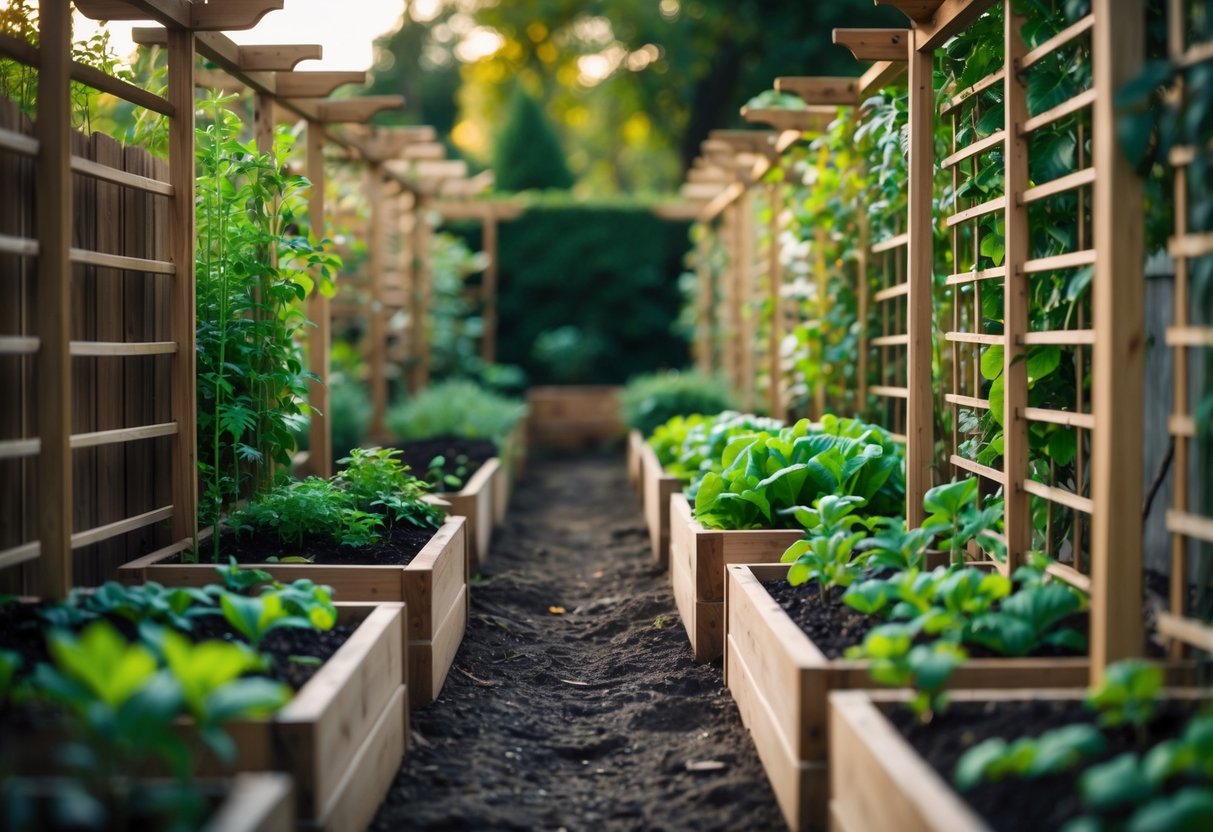
Trellises in your raised beds let you grow more in less space. Train climbing plants—like beans or cucumbers—straight up instead of sprawling everywhere.
This keeps plants from crowding and bumps up air flow, which helps avoid pests and disease. Attach a sturdy trellis at the back or center, and make sure it’s tall enough for your plants.
Flimsy supports won’t cut it for heavy vines, so pick materials that last. This setup also creates a green wall effect, making your garden look tidy and lush.
Mix and match plant types to get the most out of your vertical space. For ideas, check out vertical raised bed trellis designs.
11) Butterfly-Shaped Garden Bed
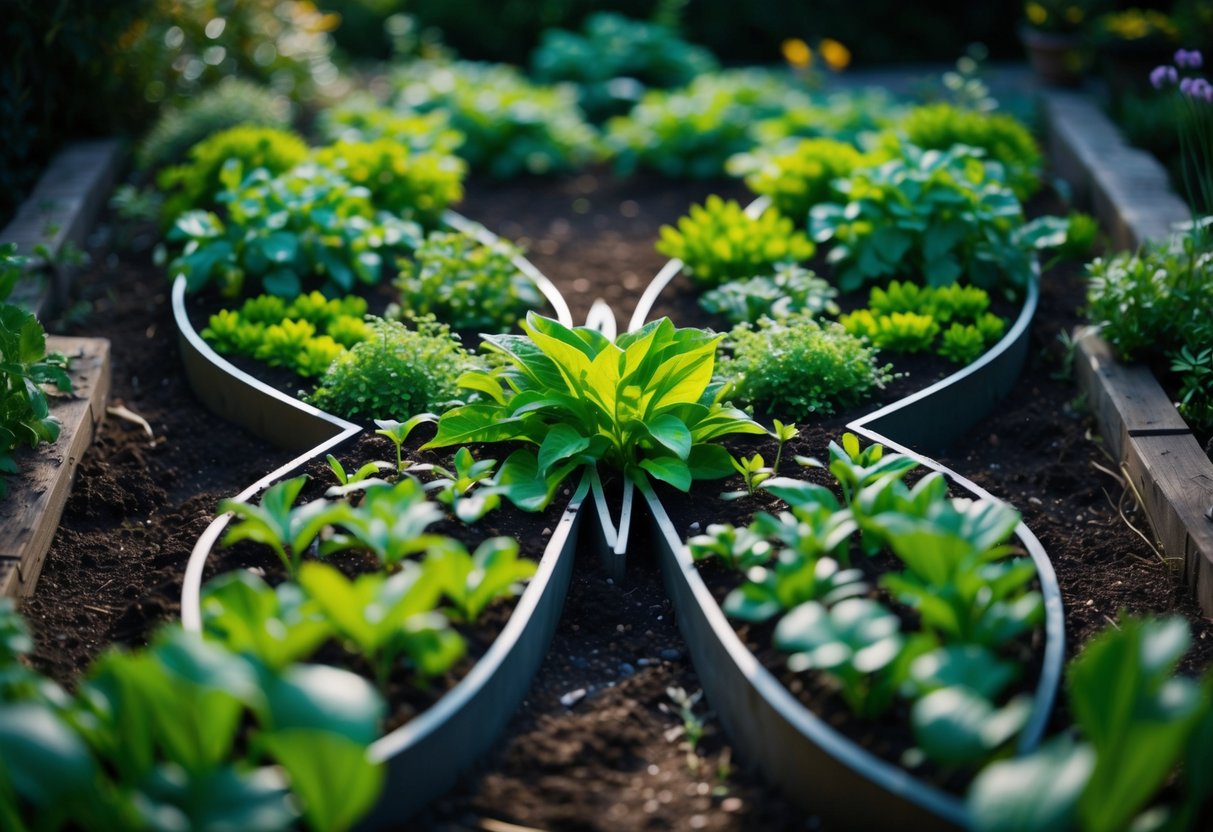
Butterfly-shaped beds bring a whimsical touch to your yard and attract pollinators. Start by outlining the wings with stones or bricks to keep the shape clear.
Plant flowers like milkweed or coneflowers in each wing—they draw butterflies and add pops of color. Give each plant enough room to really shine.
Keep an eye out for lopsided wings as you build. A balanced shape makes the butterfly pop.
This layout isn’t just pretty—it’s practical for pollinators too. For step-by-step help, check out butterfly-shaped garden beds.
12) Modular Raised Beds for Expansion
Modular raised beds let your garden grow as you do. Start with a few sections, then add more when you’re ready—no need to go all in at once.
These beds snap together, so you can tweak your layout anytime. Maybe you’ll want taller spots for climbers or more room for veggies down the line.
Lots of gardeners love how modular beds make planting easier and cut down on bending. Just make sure your ground is level before you start connecting modules.
If the base is uneven, you’ll get pooling water or soil spilling out. Sketch out your layout first, thinking about sunlight and pathways, to save headaches later.
Want a closer look? Dive into modular raised garden beds ideas for inspiration.
13) Raised Beds with Companion Planting Zones
Honestly, your garden will thank you if you divide raised beds into companion planting zones. When you group plants that support each other’s growth and fend off pests, they just seem to thrive.
Let’s say you put cucumbers near nasturtiums. That combo helps keep pests away and draws in pollinators, so you get a double win.
Try creating clear planting zones based on what each plant needs and what they offer. This way, you avoid overcrowding, and your plants get better air flow—less chance for diseases to pop up.
Skip mixing plants that fight for the same nutrients or bring in the wrong bugs. That’s just asking for trouble.
Think about your layout so you can rotate crops every season. It keeps the soil happier and helps stop pests from getting too comfortable.
Start small with your zones. Expand as you get the hang of what works for your space and climate.
Zone planning isn’t magic, but it sure pays off in healthier, more productive raised beds. If you’re curious, dig into companion planting ideas to spark your design.
Need more inspiration? Check out this guide on companion planting layouts.


