
10 Habits That Could Put Your Home at Risk of Fire

Your home should be your safe haven, but everyday habits might be putting you and your family at serious risk of fire. This guide is for homeowners, renters, and anyone who wants to protect their property and loved ones from preventable house fires.
Many people don’t realize how common household activities can quickly turn deadly. From leaving cooking unattended to overloading electrical outlets, these seemingly harmless behaviors cause thousands of house fires every year.
You’ll discover the most dangerous kitchen fire hazards that could destroy your home in minutes. We’ll also cover electrical mistakes that spark dangerous fires, like using damaged extension cords or ignoring flickering lights. Finally, you’ll learn how neglecting your heating system creates hidden fire risks that many homeowners completely overlook.
By recognizing these 10 habits that could put your home at risk of fire, you can make simple changes today that could save your life tomorrow.


Kitchen Fire Hazards That Threaten Your Safety
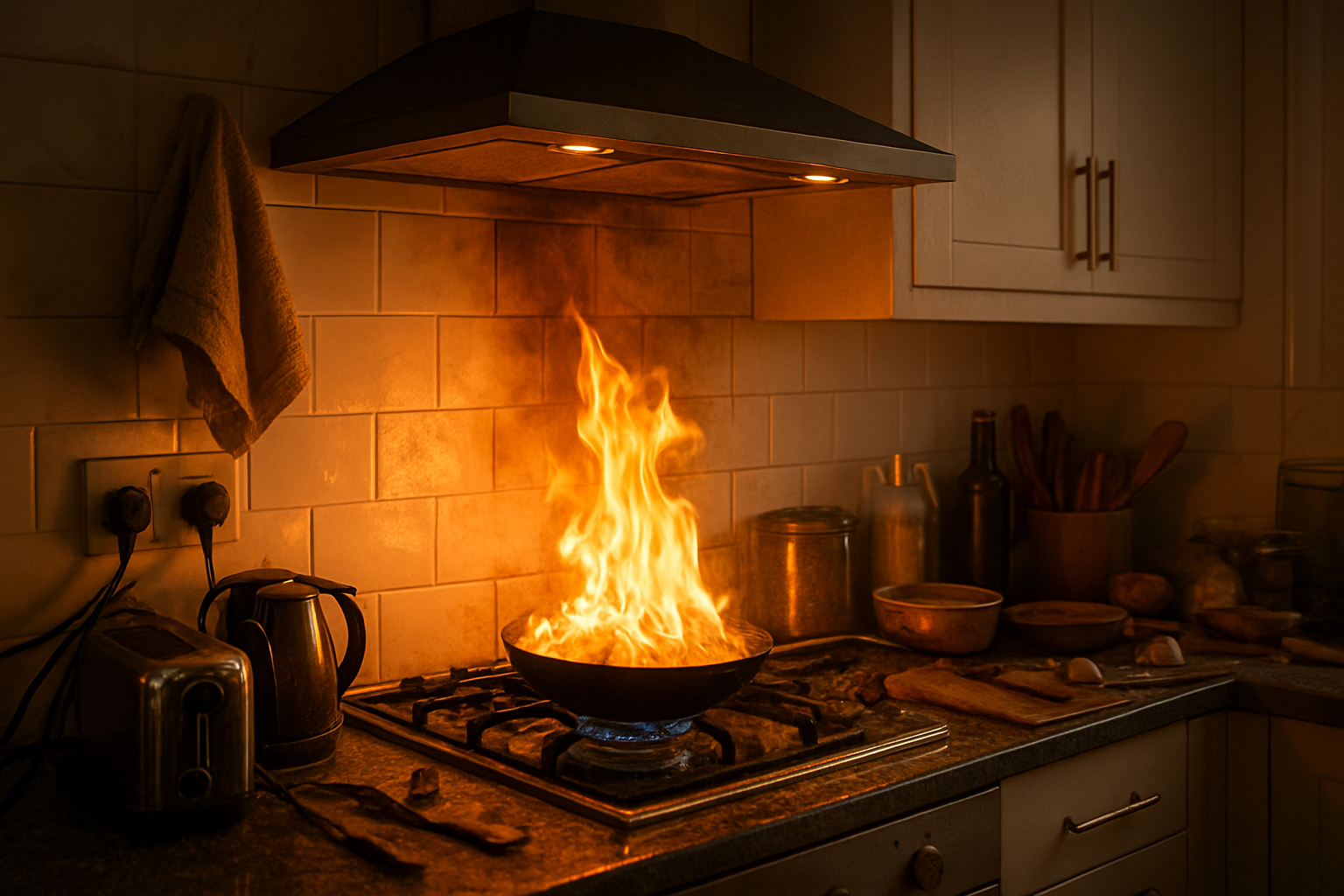
Leaving cooking food unattended while multitasking
You’re juggling dinner prep when your phone rings or kids need help with homework. Walking away from your stovetop, even for a minute, dramatically increases fire risk. Oil can overheat and ignite in seconds, while forgotten pans can quickly reach dangerous temperatures. Your divided attention creates the perfect recipe for kitchen disasters that could spread throughout your home.
Using damaged or frayed electrical appliances
Your coffee maker’s frayed cord or toaster’s cracked housing aren’t just cosmetic issues—they’re fire hazards waiting to strike. Damaged appliances can spark, overheat, or create electrical shorts that ignite nearby materials. You might think that old mixer still works fine, but exposed wires and worn insulation put your entire kitchen at risk of electrical fires.
Storing flammable items near heat sources
Your dish towels draped over the stove handle, paper bags stacked beside the toaster, or cooking oils stored above the range create dangerous fire conditions. These everyday items become fuel when they’re too close to heat sources. You need to maintain clear zones around your appliances, keeping flammable materials at safe distances to prevent accidental ignition.
Neglecting to clean grease buildup from stovetops and ovens
Grease accumulation on your stovetop, inside your oven, or around your range hood acts like kindling waiting for a spark. Each cooking session adds another layer of flammable residue that can ignite during normal use. You’re creating a fire hazard every time you skip cleaning these areas, as built-up grease can catch fire and spread rapidly throughout your kitchen.
Electrical Mistakes That Spark Dangerous Fires
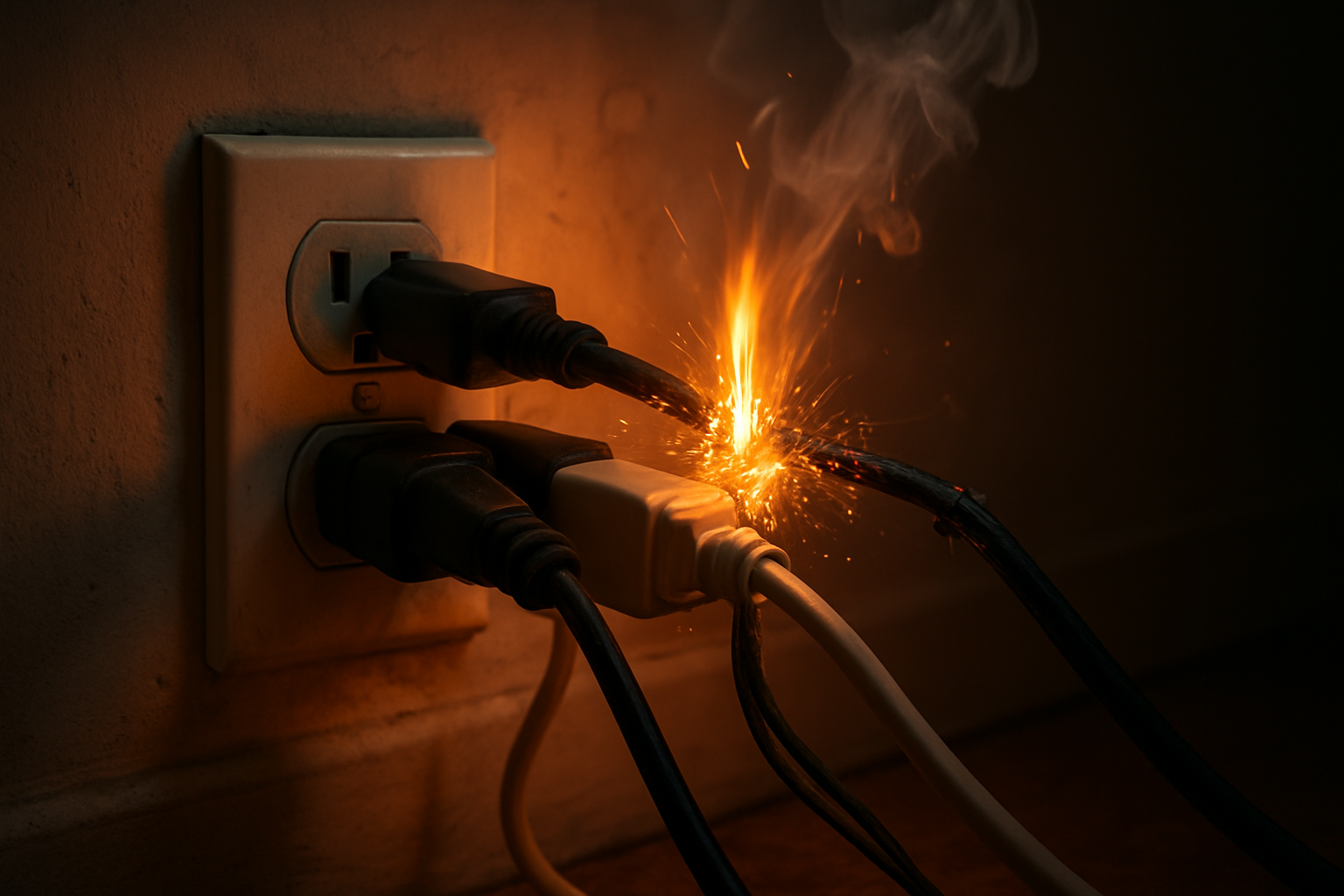
Overloading power outlets with multiple devices
Plugging multiple high-wattage devices into a single outlet creates dangerous heat buildup that can ignite surrounding materials. Your outlets aren’t designed to handle the combined electrical load of space heaters, hair dryers, and kitchen appliances running simultaneously.
Using extension cords as permanent wiring solutions
Extension cords should only provide temporary power, not replace proper electrical installations. When you rely on them permanently, the cords wear down from constant use, creating exposed wires and potential fire hazards throughout your home.
Ignoring flickering lights and electrical warning signs
Flickering lights signal serious electrical problems that demand immediate attention. When you notice sparks from outlets, burning smells, or warm switch plates, these warning signs indicate dangerous wiring issues that could spark a house fire without proper professional intervention.
Heating System Neglect That Creates Fire Risks
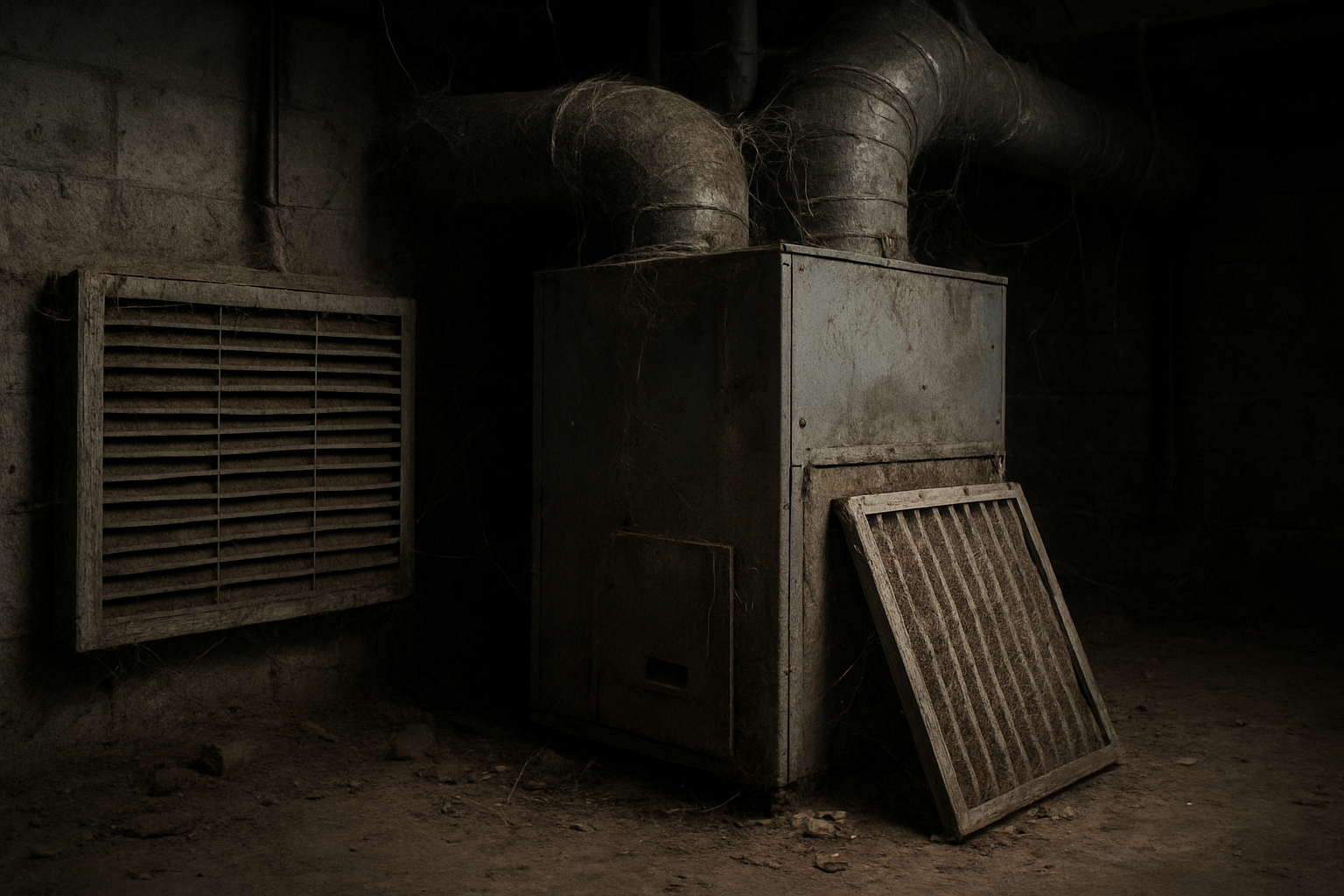
Skipping annual furnace and chimney inspections
Your heating system works hard all winter, but skipping yearly inspections puts your family in danger. Professional technicians spot cracked heat exchangers, blocked flue pipes, and carbon buildup that you can’t see. These hidden problems cause house fires and deadly gas leaks. Book your inspection every fall before you need heat.
Blocking air vents with furniture or decorations
You might think that sofa looks perfect against the wall, but if it’s covering your air vent, you’re creating a fire hazard. Blocked vents force your system to work harder and overheat. Hot air gets trapped behind furniture, which can ignite fabrics and wood. Keep at least three feet of clearance around all vents and returns.
Using space heaters improperly or leaving them unattended
Space heaters cause thousands of house fires every year because people get careless with them. Never leave one running when you sleep or leave the house. Keep them away from curtains, bedding, and anything that burns. Plug them directly into wall outlets, not extension cords. Turn them off every time you leave the room.
Failing to replace furnace filters regularly
Dirty filters do more than hurt your air quality – they create serious fire risks. Clogged filters make your furnace strain and overheat, while dust and debris become kindling for sparks. Change your filter every three months, or monthly during heavy-use seasons. Set phone reminders so you don’t forget this simple but critical safety step.
Storing combustible materials near heating equipment
Your basement might seem like the perfect storage spot, but keeping flammable items near your furnace is asking for trouble. Paint cans, cleaning supplies, cardboard boxes, and gasoline should stay at least three feet away from heating equipment. Even holiday decorations and old newspapers can catch fire from heat or sparks. Create a safety zone around all heating sources.
Smoking and Candle Habits That Endanger Your Home
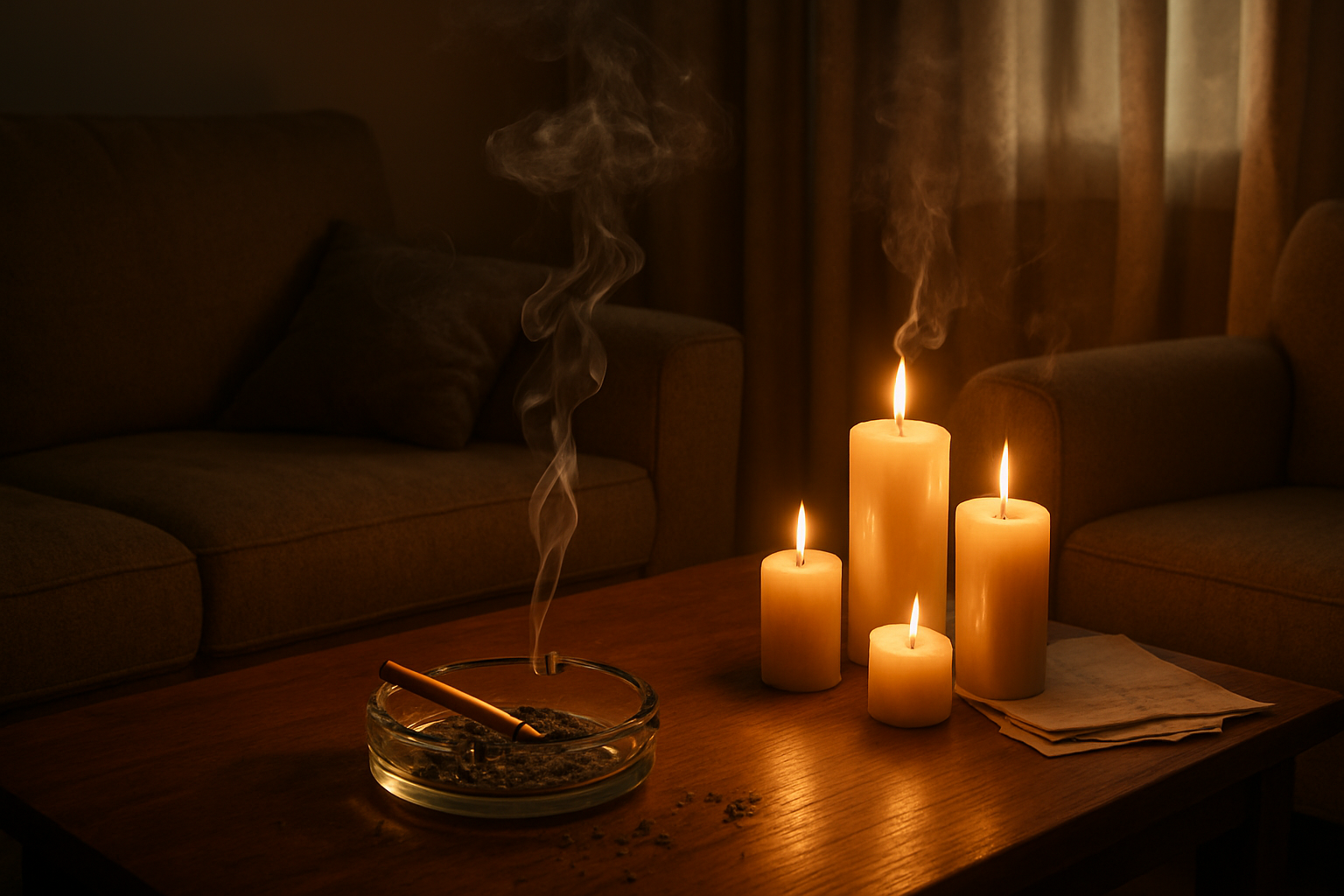
Smoking indoors without proper ashtrays or ventilation
Your cigarette butts and ashes need a proper place to go – not random containers that can catch fire. Without adequate ventilation, smoke and heat build up, creating dangerous conditions. Always use deep, non-flammable ashtrays and ensure your smoking area has good airflow to prevent accidents.
Leaving lit candles unattended in any room
You might think stepping away for just a minute won’t hurt, but unattended candles cause thousands of house fires yearly. Pets can knock them over, drafts can blow nearby items into the flame, or the candle itself can tip. Never leave a burning candle alone – blow it out before leaving the room or falling asleep.
Placing candles too close to curtains and fabrics
Your beautiful candles become fire hazards when positioned near flammable materials. Curtains, tablecloths, paper decorations, and upholstered furniture can ignite quickly from candle flames. Keep at least three feet of clear space around every candle, and avoid placing them on unstable surfaces where they might fall onto nearby fabrics.


