Skip to content

[email protected] | About Us | Privacy Policy | Terms Of Use

Facebook Pinterest
logo
  • Home ImprovementExpand
    • Deck
    • Barn Doors
    • Patio
    • Bathroom
    • Garden Beds
    • Winter Home Prep
  • Mobile HomeExpand
    • Crawl Space
    • Skirting
  • BackyardExpand
    • Landscaping
    • Curb Appeal
    • Water Features
  • Porch
  • Garden
  • Contact
logo
Backyard

Small Budget, Big Impact: 10 Grassless Dog Yard Ideas!

Grassless Dog Yard Ideas

I gave up on grass after three years of fighting a losing battle against my two German Shepherds. Yellow dead spots, muddy paw prints tracked through my house after every rain, and constant reseeding that never took. My backyard looked like a dirt lot with patches of sad grass clinging to life.

I ripped out the grass last summer and converted my 800 square foot yard to a mix of gravel, mulch, and pavers for $520 total. No more mud, no more dead spots, and my dogs actually prefer the new surface. My cleaning time dropped from 30 minutes daily to maybe 5 minutes, and I haven’t watered, fertilized, or mowed in eight months.

The transformation shocked my neighbors who asked how much I spent on professional landscaping. They assumed it cost thousands and required contractors. I did everything myself over two weekends using materials from Home Depot and basic tools I already owned.

Here are 10 grassless yard ideas that work for dog owners on actual budgets. You’ll get drainage solutions that prevent puddles and mud, and maintenance reality for each option. Whether you have one small dog or multiple large breeds destroying your lawn, one of these setups will save your sanity and your yard.

Contents

Toggle
  • Gravel and Stone Options for Durability
      • Choosing the Right Stone Size
      • Installation Tips for Long-lasting Results
  • Sand and Decomposed Granite Solutions
      • Benefits of Sand as Ground Cover
      • Decomposed Granite for Long-Term Durability
  • Mulch and Wood Chips for Natural Appeal
      • Choosing the Right Type of Mulch
      • Installation and Maintenance Tips
  • Paver Patios Using Affordable Materials
  • Concrete Pad Installation Made Simple
      • Budget-Friendly Concrete Pour Options
      • Essential Tools and Preparation Steps
  • Stepping Stone Pathways for Easy Navigation
      • Affordable Stone Selection and Spacing
      • Installation Tips for Long-lasting Results
  • Hardy Ground Cover Plants That Withstand Traffic
      • Best Plant Options for High-Traffic Areas
  • Raised Garden Beds to Protect Landscaping
      • Creating Strategic Garden Boundaries
      • Choosing Dog-Safe Plants and Materials
  • French Drain Solutions for Soggy Areas
      • Installing a Basic French Drain System
      • Maintenance and Cost Considerations
  • Rain Garden Design for Natural Water Control
      • Creating Your Rain Garden Layout
      • Plant Selection and Maintenance
      • You Might Also Like!

Gravel and Stone Options for Durability

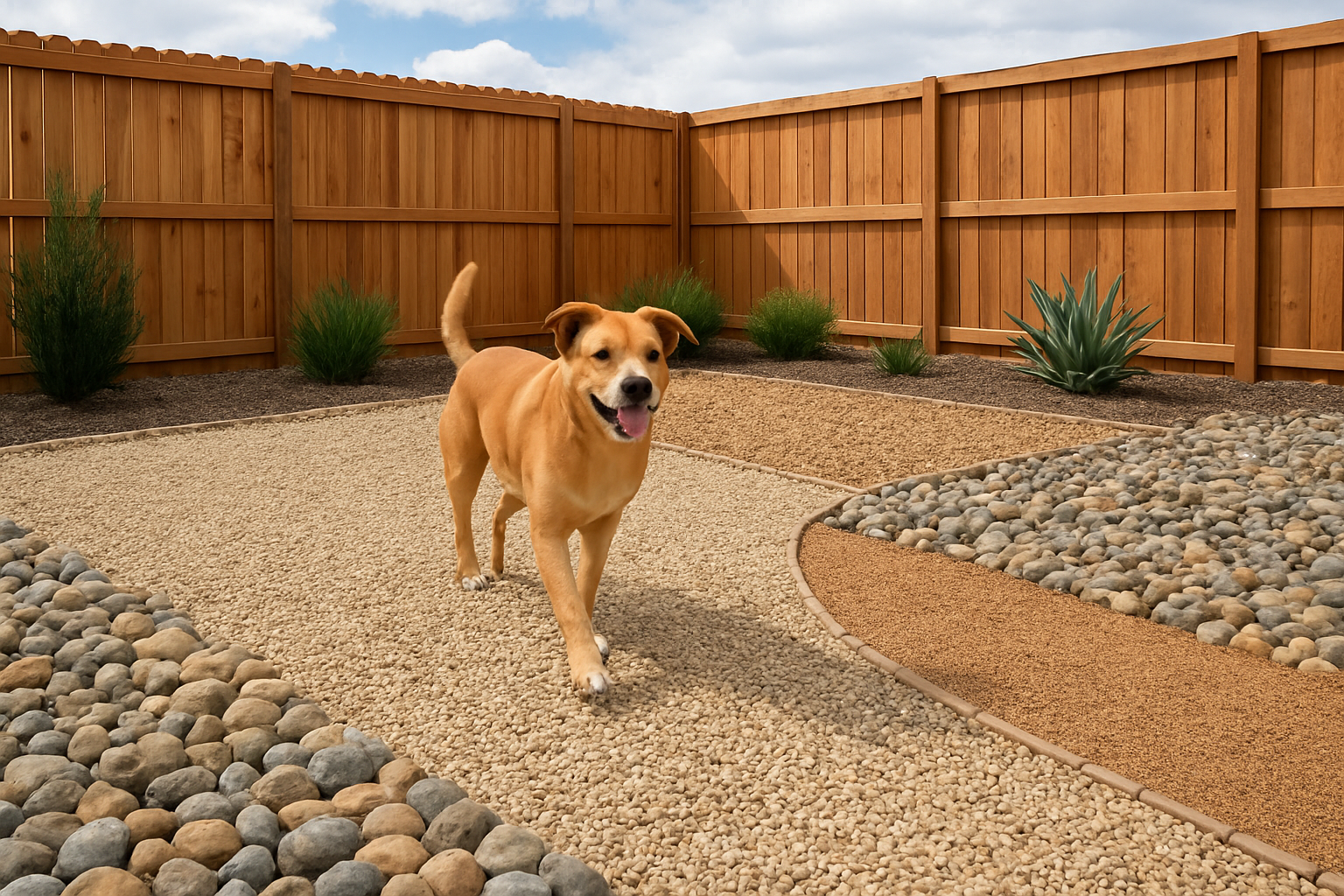
Create a realistic image of a well-maintained dog yard with various gravel and stone surfaces, featuring different types of stone materials including pea gravel, decomposed granite, and larger decorative stones arranged in sections, with a happy medium-sized dog walking across the gravel surface, surrounded by wooden fence panels, some drought-resistant plants along the borders, natural outdoor lighting during daytime with partly cloudy sky, emphasizing the durability and practical design of the stone ground covering, absolutely NO text should be in the scene.

Choosing the Right Stone Size

Your choice of gravel size makes all the difference in creating a functional dog yard. Pea gravel (3/8-inch) works best for most dogs since it’s gentle on paws while providing excellent drainage. Avoid crushed rock or jagged stones that can hurt your pet’s feet during play.

Also Read  12 Stunning Backyard Door Ideas That Transform Your Outdoor Space Instantly

Installation Tips for Long-lasting Results

You’ll want to excavate 2-3 inches deep and lay landscape fabric before adding your gravel. This prevents weeds from sprouting through while maintaining proper drainage. Compact the stones lightly with a rake, then add a thin layer of sand between larger stones to create a stable, comfortable surface your dog will love walking on.

Sand and Decomposed Granite Solutions

Create a realistic image of a well-maintained dog yard with distinct sections of sand and decomposed granite ground covering, featuring a medium-sized dog walking on the textured surfaces, surrounded by a wooden fence, with some potted plants and a water bowl placed on the sandy area, under natural daylight with soft shadows, showing the contrast between the fine sand section and the slightly coarser decomposed granite section, absolutely NO text should be in the scene.

Benefits of Sand as Ground Cover

Sand creates an excellent dog-friendly surface that drains well and stays cool under your pup’s paws. You can install it quickly by leveling the ground, adding landscape fabric, and spreading a 2-3 inch layer of coarse sand. Your dogs will love the soft texture, and you’ll appreciate how easy it is to rake smooth after playtime.

Decomposed Granite for Long-Term Durability

Decomposed granite offers superior durability compared to regular sand while maintaining natural drainage properties. You’ll want to compact it properly after installation to prevent shifting, creating a stable surface that handles heavy dog traffic. This budget-friendly option requires minimal maintenance and naturally suppresses weeds, making your yard management effortless year-round.

Mulch and Wood Chips for Natural Appeal
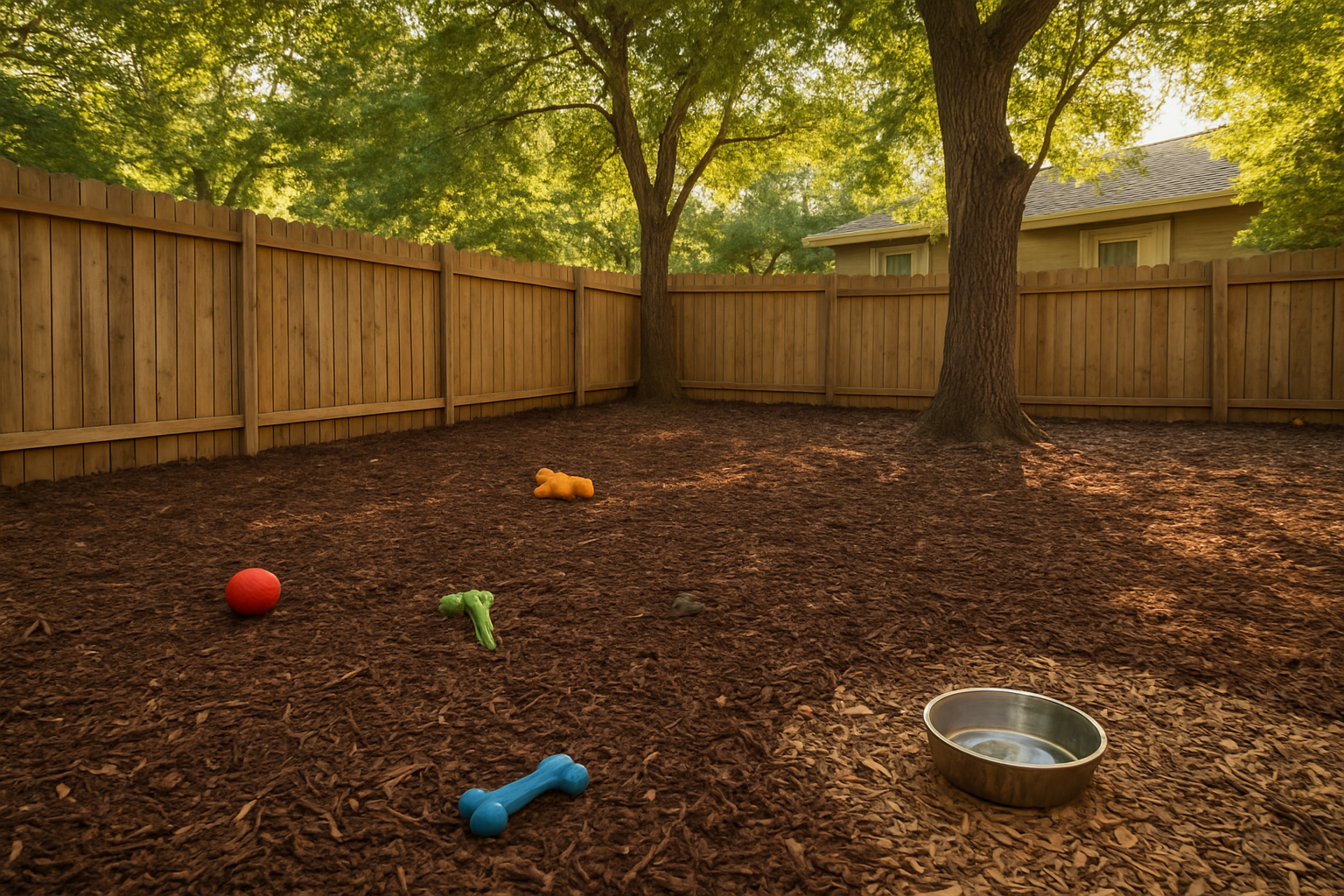
Create a realistic image of a well-maintained dog yard with rich brown mulch and natural wood chips covering the ground instead of grass, featuring a wooden fence boundary, scattered dog toys on the mulched surface, a small water bowl placed on the wood chip area, mature trees providing shade in the background, warm natural lighting filtering through the foliage, and a cozy residential backyard setting that demonstrates an attractive, budget-friendly grassless solution for pet owners, absolutely NO text should be in the scene.

Choosing the Right Type of Mulch

Wood chips and mulch create a soft, natural surface that’s easy on your dog’s paws while adding visual warmth to your yard. You’ll want to select cedar or pine chips since they naturally repel insects and resist decay better than other wood types.

Installation and Maintenance Tips

Spread a 2-3 inch layer over landscape fabric to prevent weeds and ensure proper drainage. You’ll need to refresh the mulch annually as it decomposes, but this actually benefits your soil by adding organic matter over time.

Paver Patios Using Affordable Materials
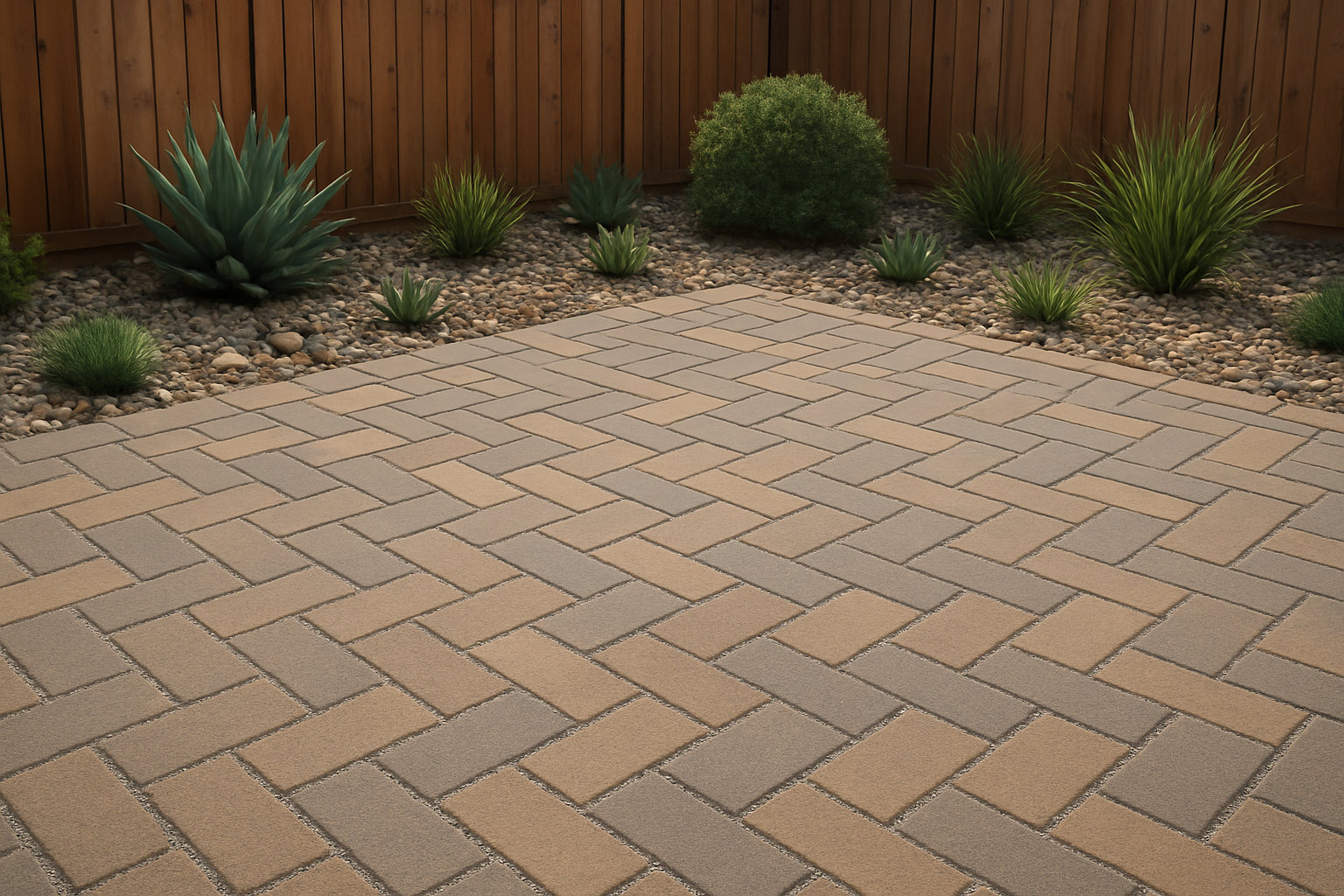
Create a realistic image of a well-designed paver patio in a dog-friendly backyard featuring rectangular concrete pavers in earthy tones arranged in a herringbone pattern, with gravel joints between the pavers, surrounded by low-maintenance landscaping including decorative rocks and drought-resistant plants, a wooden fence in the background, natural daylight with soft shadows, and a clean modern aesthetic that showcases an affordable yet attractive grassless yard solution, absolutely NO text should be in the scene.

Now that we’ve covered natural ground cover options, concrete pavers present an excellent solution for creating durable dog pathways in your yard. You’ll find that concrete pavers can handle lots of use from your pets while maintaining their structural integrity over time. Their simple cleaning process makes maintenance effortless, and they won’t hold onto unpleasant smells that can accumulate in other materials.

Also Read  12 Stunning DIY Backyard Ideas on a Budget for Jaw-Dropping Outdoor Transformations

With this in mind, you can customize your pet’s play area using the variety of shapes and colors available in concrete pavers. This versatility allows you to design pathways that complement your existing landscape while providing a functional surface that withstands heavy foot traffic from your dogs.

Concrete Pad Installation Made Simple
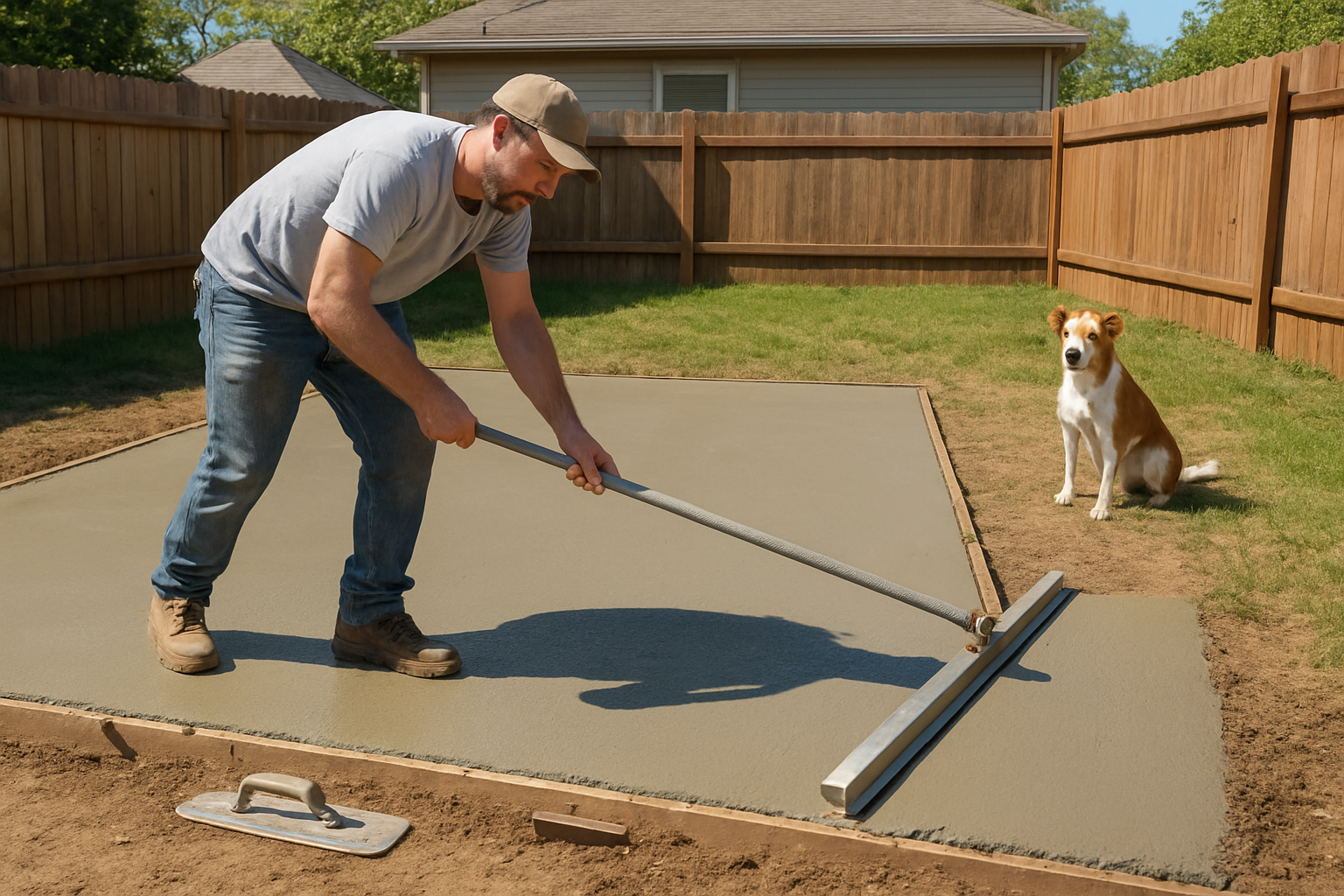
Create a realistic image of a freshly poured concrete pad in a backyard being smoothed by a white male construction worker using a screed tool, with wet concrete surface showing smooth texture, construction tools like a float and trowel nearby on the ground, a small to medium-sized dog watching from a safe distance on grass, residential fence and house visible in the background, bright daylight with clear shadows, representing an affordable DIY home improvement project for a dog-friendly yard, absolutely NO text should be in the scene.

Budget-Friendly Concrete Pour Options

You can create a durable concrete pad for your dog yard without breaking the bank by using bagged concrete mix instead of hiring a professional crew. Start by marking your desired area, excavating 4-6 inches deep, and laying a gravel base for proper drainage. Mix the concrete according to package directions and pour in sections for easier management.

Essential Tools and Preparation Steps

Your basic toolkit needs include a shovel, rake, level, wheelbarrow, and float for smoothing. Before pouring, compact your gravel base thoroughly and dampen it slightly to prevent moisture absorption from the fresh concrete. Work in temperatures between 50-80°F for optimal curing, and keep the surface moist for several days after installation to achieve maximum strength and prevent cracking.

Stepping Stone Pathways for Easy Navigation
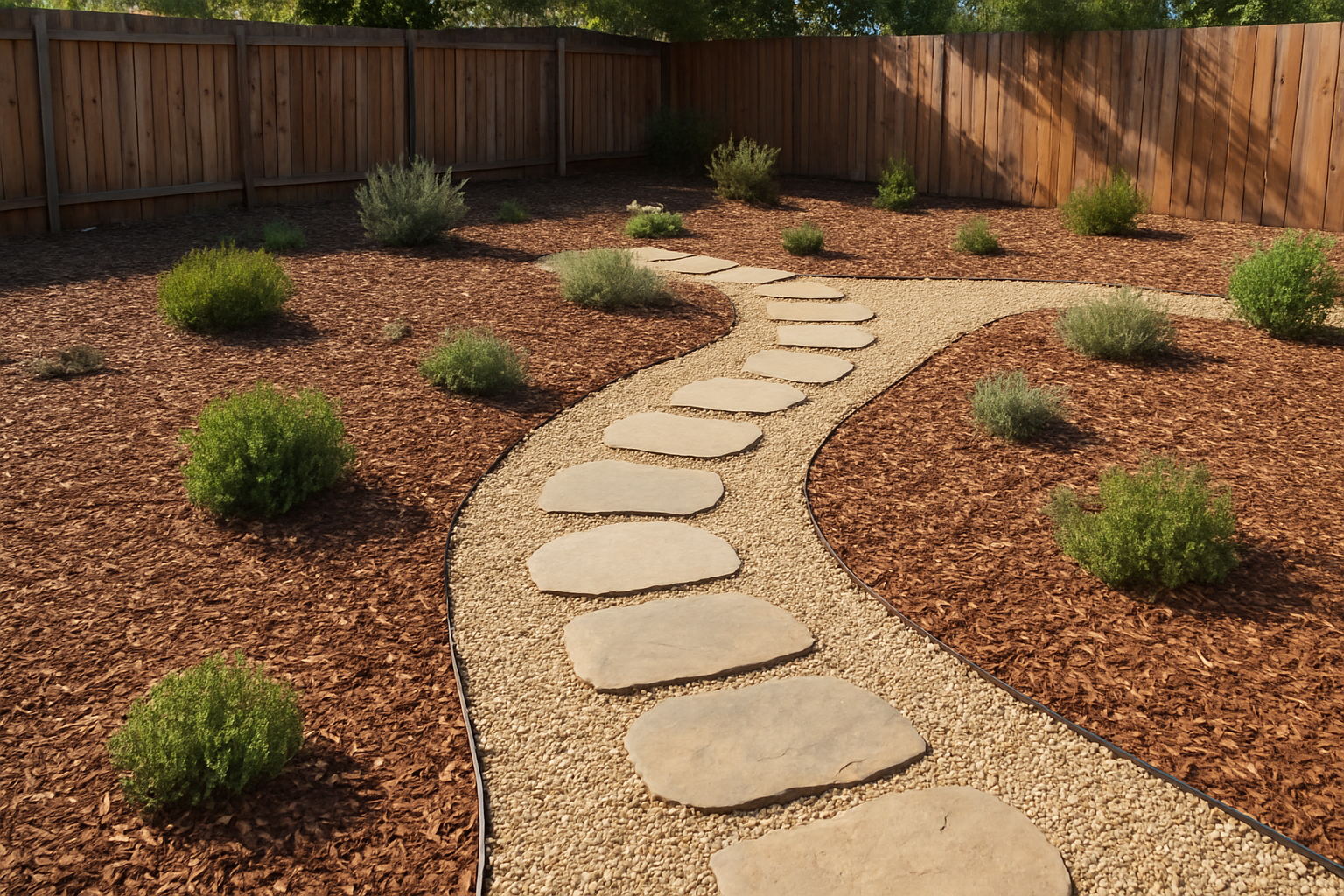
Create a realistic image of a well-maintained dog yard with a winding stepping stone pathway made of natural flat stones leading through the space, surrounded by drought-resistant landscaping including gravel, wood chips, and small shrubs, with a wooden fence in the background, bright daylight illuminating the scene, showing a practical and budget-friendly grassless yard design that provides easy navigation for both dogs and owners, absolutely NO text should be in the scene.

Affordable Stone Selection and Spacing

You can create beautiful pathways using budget-friendly flagstone, concrete pavers, or natural river rocks from your local home improvement store. Space your stepping stones 18-24 inches apart to match your natural stride, and dig each stone slightly into the ground for stability. This prevents wobbling and creates a professional look without expensive installation costs.

Installation Tips for Long-lasting Results

Place a thin layer of sand underneath each stone to prevent settling and improve drainage around your dog’s play areas. You’ll want to edge your pathway with small decorative rocks or mulch to define the space and prevent grass from creeping back in. This simple technique keeps maintenance low while directing foot traffic away from muddy spots.

Hardy Ground Cover Plants That Withstand Traffic
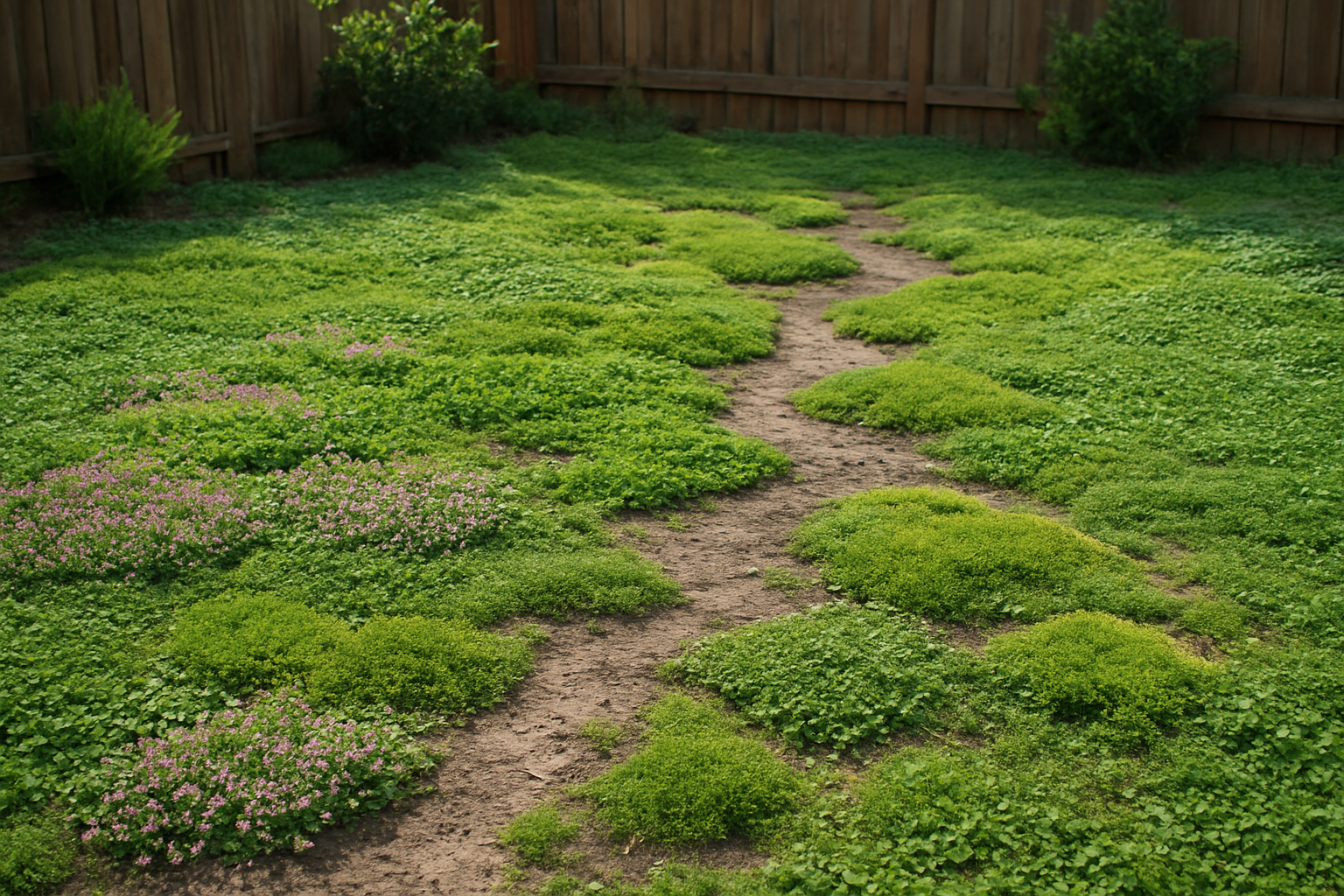
Create a realistic image of a dog-friendly backyard featuring various hardy ground cover plants like creeping thyme, clover, and moss growing in patches across the yard, with visible wear patterns and pathways showing how dogs have trafficked through the area, surrounded by a wooden fence, under natural daylight with soft shadows, demonstrating resilient landscaping alternatives to grass that can handle pet activity, absolutely NO text should be in the scene.

Best Plant Options for High-Traffic Areas

When choosing plants that can handle your dog’s daily activities, focus on tough, low-growing varieties that bounce back quickly from trampling. Creeping thyme, buffalo grass, and clover create dense carpets that withstand paws while staying green. These plants root deeply and spread naturally, filling in bare spots where your dog loves to run and play.

Also Read  12 Stunning Backyard Fireplace Ideas to Transform Your Outdoor Space Instantly

Your best results come from mixing several hardy species together rather than relying on just one type. Try combining moss, wild strawberry, and ajuga for a diverse ground cover that handles different soil conditions and traffic patterns. Plant these options in spring or fall when they’ll establish strong root systems before facing summer heat or winter cold.

Raised Garden Beds to Protect Landscaping
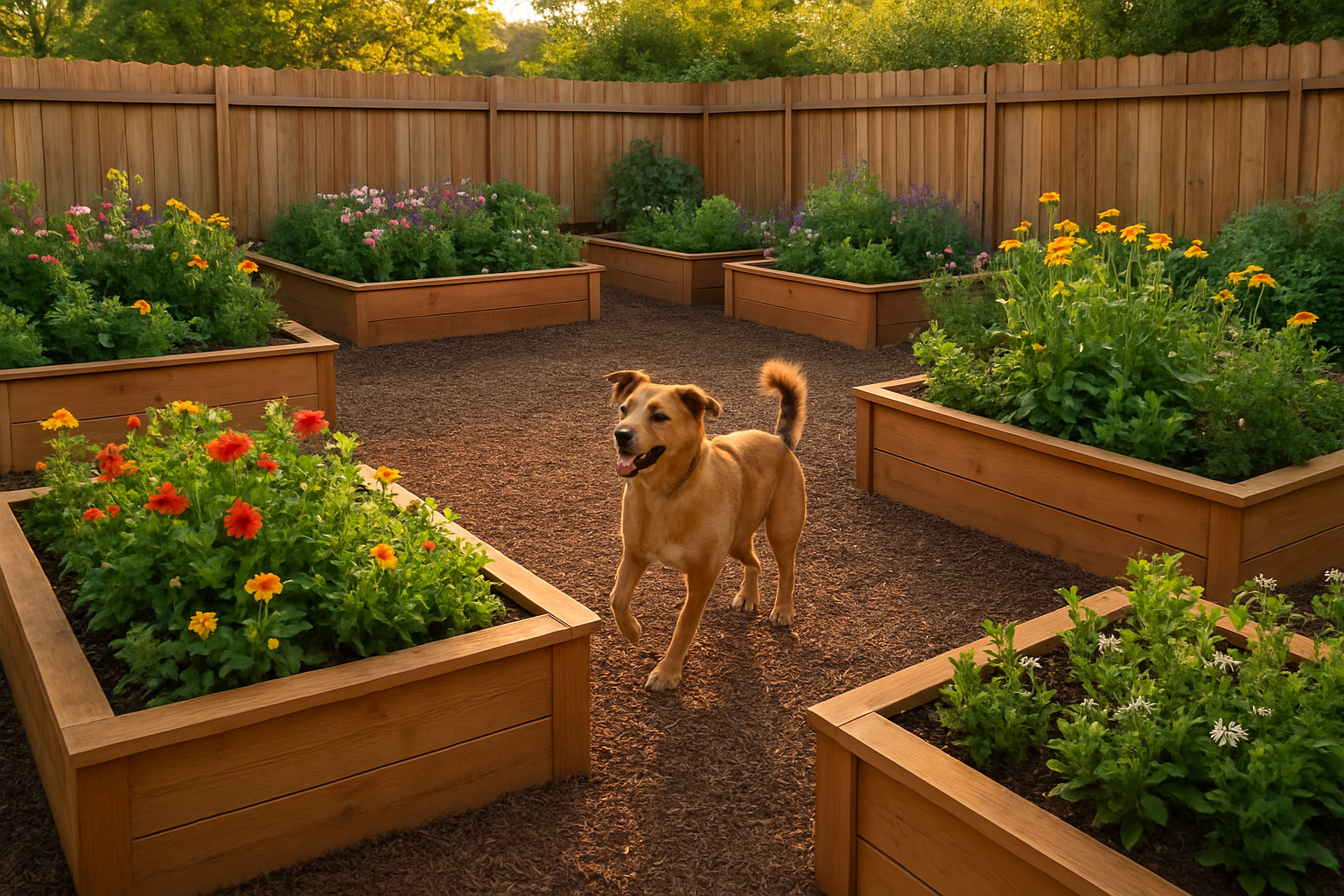
Create a realistic image of a well-designed backyard showing wooden raised garden beds filled with colorful flowers and green plants arranged around a grassless dog yard area, with the raised beds elevated 12-18 inches off the ground to protect the landscaping from dogs, featuring mulched pathways between the beds, a happy medium-sized dog playing in the central open yard area covered with wood chips or gravel, surrounded by a wooden fence, captured during golden hour lighting with soft shadows, showing how raised beds create defined garden spaces while providing a functional pet-friendly yard solution, absolutely NO text should be in the scene.

Creating Strategic Garden Boundaries

You can transform your dog yard while protecting your precious plants by installing raised garden beds along your property’s perimeter. These elevated planters create natural barriers that keep your furry friend away from delicate flowers and vegetables while adding visual interest to your landscape. Build them using affordable materials like reclaimed wood, concrete blocks, or even repurposed pallets.

Choosing Dog-Safe Plants and Materials

Your raised beds work best when you fill them with sturdy, non-toxic plants that can handle occasional canine curiosity. Consider hardy perennials like lavender, rosemary, or ornamental grasses that bounce back from minor damage. Make sure your bed height reaches at least 12-18 inches to discourage most dogs from jumping in, and choose materials that won’t splinter or harm paws during playful moments.

French Drain Solutions for Soggy Areas
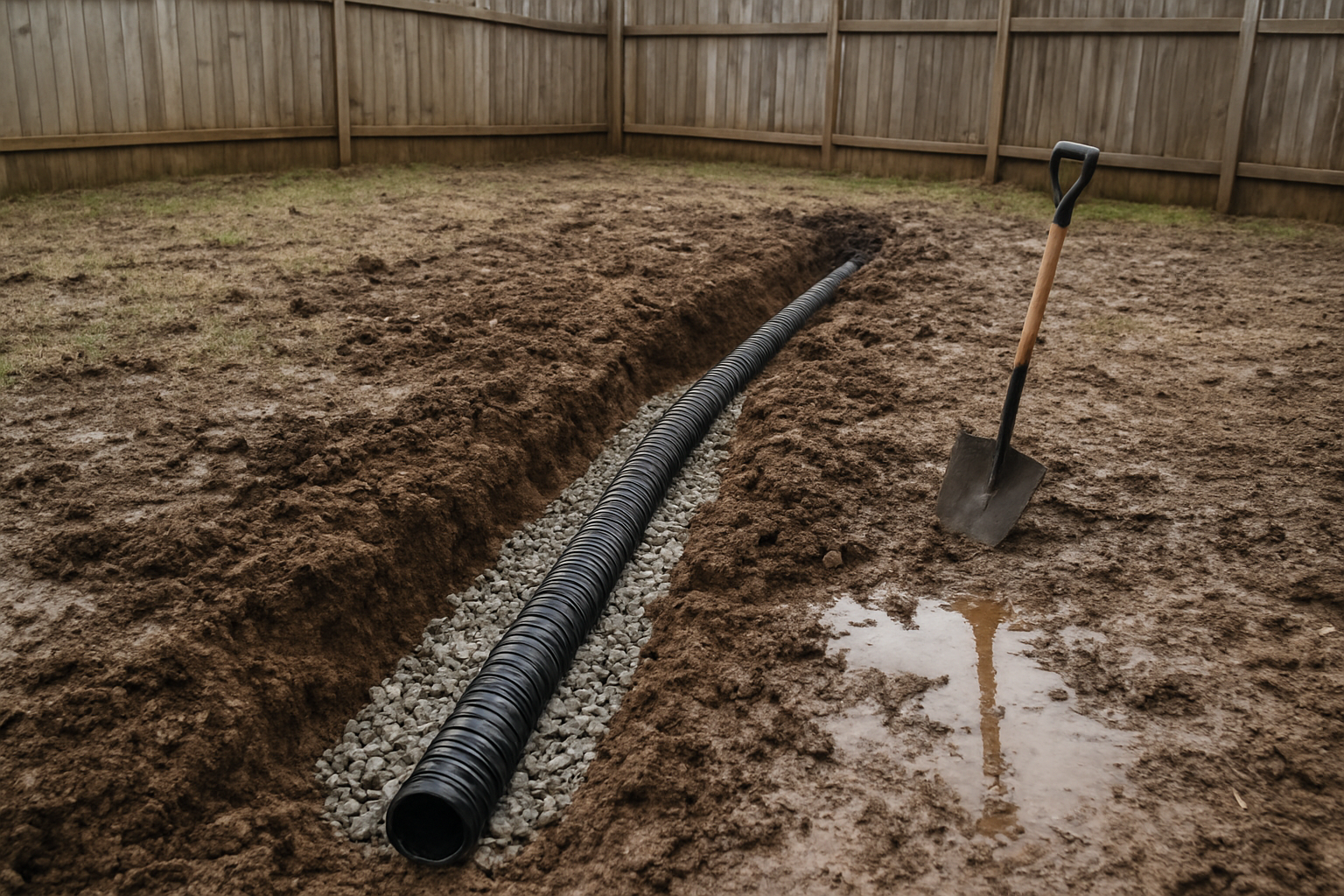
Create a realistic image of a backyard French drain system being installed in a soggy, muddy area of a grassless dog yard, showing a partially dug trench filled with gravel and perforated drainage pipe, with wet soil and puddles visible around the work area, garden tools like a shovel nearby, surrounded by a simple wooden fence, under natural daylight with overcast sky, demonstrating a budget-friendly drainage solution for pet owners, absolutely NO text should be in the scene.

Installing a Basic French Drain System

You can tackle persistent water problems in your dog yard with a simple French drain installation. Start by digging a trench about 12 inches deep along the wet area, sloping it toward your desired drainage point. Fill the trench with graded gravel and wrap a perforated pipe in landscape fabric before placing it inside.

Maintenance and Cost Considerations

Your French drain will need occasional cleaning to remove debris that clogs the gravel. Budget around $3-5 per linear foot for materials, making this an affordable solution for most yards. Regular inspection after heavy rains helps you spot potential issues early and keeps your drainage system working effectively for years.

Rain Garden Design for Natural Water Control
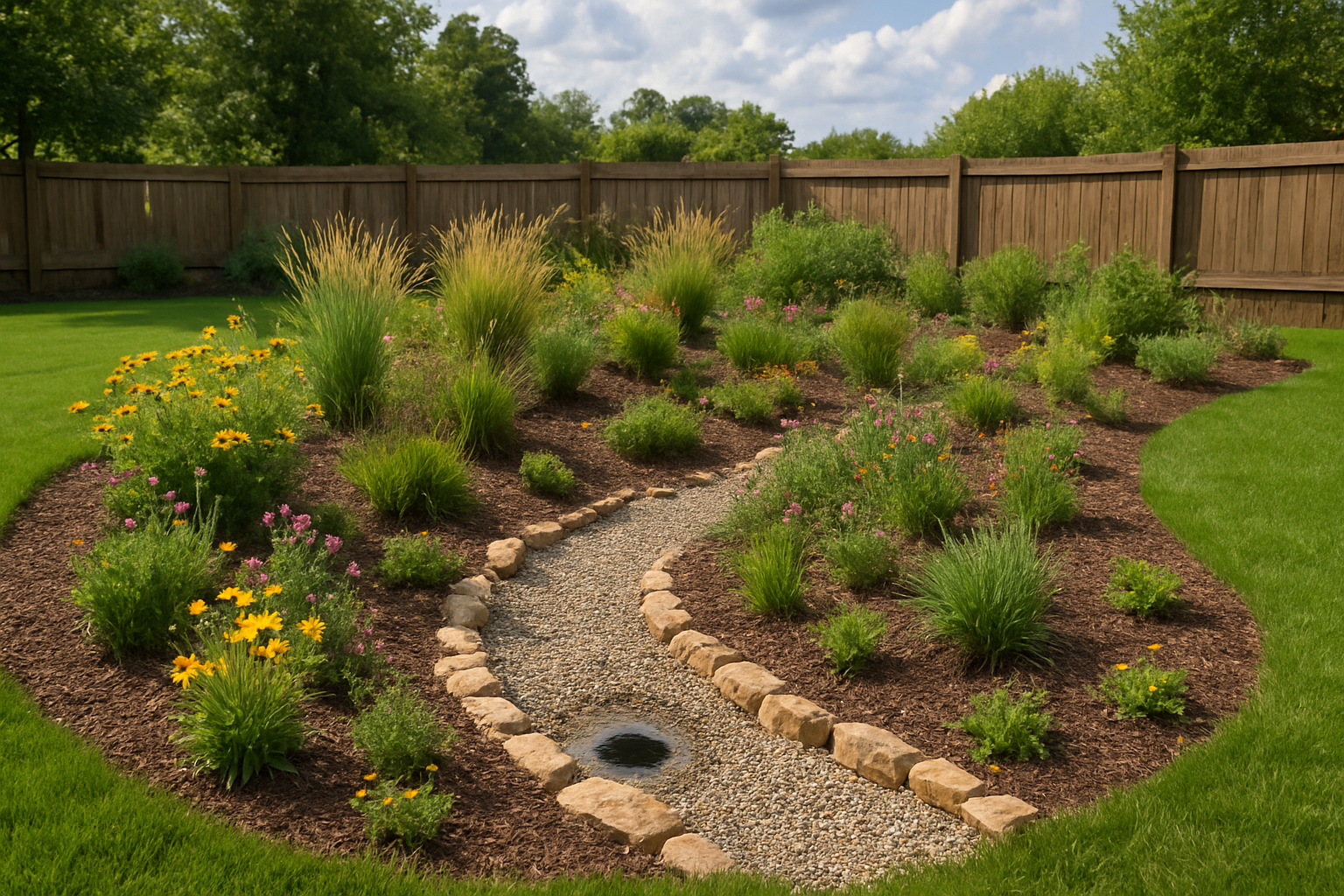
Create a realistic image of a well-designed rain garden in a residential backyard featuring a shallow, curved depression planted with native grasses, colorful wildflowers, and small shrubs, with a gravel pathway leading through it, natural stone borders defining the edges, mulched areas between plants, a small drainage inlet where water flows in, lush green lawn surrounding the garden, a wooden fence in the background, and a partly cloudy sky with natural daylight creating soft shadows, showing how rainwater naturally collects and filters through the landscaping, absolutely NO text should be in the scene.

Creating Your Rain Garden Layout

You can transform your yard’s drainage problems into a beautiful feature by designing a rain garden that captures runoff from your roof and hardscaped areas. Position your rain garden in the lowest part of your yard or create a shallow depression where water naturally flows. Choose native plants like sedges, native irises, and swamp milkweed that thrive in wet conditions while filtering pollutants from stormwater.

Plant Selection and Maintenance

Your rain garden works best with a three-zone planting system: deep-rooted plants in the center where water pools, moisture-loving perennials in the middle zone, and drought-tolerant natives on the edges. This design handles both flooding and dry periods while providing year-round interest for your dog yard.

You Might Also Like!

  • 10 backyard dog potty area ideas
    10 Stunning backyard dog potty area ideas
  • Small Trees & Shrubs for Front Yard
    12 Front Yard Landscaping Ideas to Transform Your Curb Appeal
  • Fast Growing Privacy Trees
    12 Fast Growing Privacy Trees That Transform Your Yard With Stunning Curb Appeal
  • Vertical Garden Ideas
    12 Genius Vertical Garden Ideas for Small Space Makeovers
  • Garden Nook Ideas
    12 Jaw Dropping Garden Nook Ideas to Transform Your Outdoor Space Instantly
Ben Harper

I’m Ben Harper, a DIY enthusiast who loves finding simple, budget-friendly ways to improve your homes. I share practical tips and real solutions to help you transform your space without spending a fortune.

Post navigation

Previous Previous
10 Best Low Maintenance Porch Plants For Instant Curb Appeal!
NextContinue
How to Design a Sensory Garden That Keeps Dogs Engaged?

You Might Also Like!

  • 10 backyard dog potty area ideas
    10 Stunning backyard dog potty area ideas
  • Small Trees & Shrubs for Front Yard
    12 Front Yard Landscaping Ideas to Transform Your Curb Appeal
  • Fast Growing Privacy Trees
    12 Fast Growing Privacy Trees That Transform Your Yard With Stunning Curb Appeal
  • Vertical Garden Ideas
    12 Genius Vertical Garden Ideas for Small Space Makeovers
  • Garden Nook Ideas
    12 Jaw Dropping Garden Nook Ideas to Transform Your Outdoor Space Instantly

Search More!

About DearWorld

We share practical DIY tips, budget-friendly ideas, and creative inspiration for mobile homes, backyards, patios, porches, gardens, and skirting. Helping you make every space feel like home — one project at a time.

  • About Us
  • Privacy Policy
  • Terms & Conditions
  • Blog

© 2026 Dear World - WordPress Theme by Kadence WP

Facebook Instagram Pinterest
Scroll to top
  • Home Improvement
    • Deck
    • Barn Doors
    • Patio
    • Bathroom
    • Garden Beds
    • Winter Home Prep
  • Mobile Home
    • Crawl Space
    • Skirting
  • Backyard
    • Landscaping
    • Curb Appeal
    • Water Features
  • Porch
  • Garden
  • Contact
Search