
How to Design a Sensory Garden That Keeps Dogs Engaged?

Your dog deserves more than just a basic backyard – they need mental stimulation that keeps their minds sharp and prevents destructive behaviors like excessive barking or digging. A dog sensory garden transforms any outdoor space into an engaging playground that taps into your pet’s natural instincts while providing hours of healthy entertainment.
This guide is perfect for dog owners who want to create budget-friendly enrichment activities in their own backyards, whether you have a sprawling lawn or just a small patio. You don’t need gardening expertise or a massive budget to build something your furry friend will love.
We’ll walk you through understanding your dog’s unique sensory preferences and show you how to plan a layout that works with your available space. You’ll discover which dog-friendly plants provide the best canine sensory stimulation and learn how to add interactive features that keep your pup engaged. We’ll also cover essential safety considerations and share creative DIY sensory enhancement projects that won’t break the bank.
By the end of this guide, you’ll have everything you need to create a stimulating dog garden that provides daily mental exercise and turns your outdoor space into your dog’s favorite hangout spot.


Understanding Your Dog’s Sensory Needs and Preferences

Identifying your dog’s dominant senses and behavioral patterns
Watch your dog during daily activities to discover which senses drive their behavior most. Some dogs rely heavily on scent, constantly sniffing during walks, while others are visual learners who respond to movement and colors. Notice if your pup perks up at specific sounds, textures, or smells. Dogs who paw at surfaces often crave tactile stimulation, making textured pathways perfect for your dog sensory garden.
Recognizing breed-specific sensory requirements
Different breeds have unique sensory preferences that shape your DIY dog garden approach. Hounds like Beagles and Bloodhounds thrive with scent-based activities, while herding breeds such as Border Collies need visual and mental challenges. Terriers often prefer digging opportunities, and retrievers love water features. Understanding these traits helps you design canine sensory stimulation spaces that truly engage your dog’s natural instincts.
Assessing your dog’s current stimulation levels
Your dog’s energy and behavior reveal whether they need more sensory enrichment. Signs of under-stimulation include excessive barking, destructive chewing, or restlessness. Conversely, an overstimulated dog might seem anxious or have trouble settling down. Creating a sensory garden for dogs addresses these imbalances by providing controlled, positive stimulation that matches your pet’s needs.
Determining space limitations and garden size requirements
Even small spaces can become effective stimulating dog garden ideas. Measure your available area and consider vertical options like raised planters or hanging elements. A corner of your yard can accommodate essential features like scent plants and textured surfaces. Apartment dwellers can create container-based sensory experiences on balconies or patios. Your dog garden design should maximize sensory impact within your specific space constraints while ensuring safe movement and exploration.
Planning Your Dog Sensory Garden Layout

Choosing the optimal location for maximum engagement
Your dog sensory garden works best when positioned where your pet naturally spends time outdoors. Pick a spot that gets partial sun and shade throughout the day, as this creates temperature variations that add to the sensory experience. Areas near windows or patios work well since they allow you to observe your dog’s interactions while maintaining easy access for maintenance.
Creating distinct sensory zones for varied experiences
Design your DIY dog garden with separate areas that target different senses – create a sniffing zone with aromatic herbs, a textural walking path with varied surfaces, and a digging area with safe sand or mulch. Each sensory zone should flow naturally into the next, encouraging your dog to explore different stimulating dog garden ideas while keeping the space organized and purposeful for maximum canine sensory stimulation.
Ensuring safe pathways and easy supervision access
Build clear walkways using pet-safe materials like smooth stones or rubber mulch that won’t hurt paws or cause slipping. Your backyard dog garden needs wide enough paths for comfortable movement and quick access if you need to redirect your dog’s attention. Position seating or viewing areas where you can supervise activities while your pet enjoys the sensory garden for dogs you’ve created.
Essential Plants That Boost Canine Sensory Stimulation

Safe aromatic herbs that enhance scent exploration
Your dog’s nose contains over 300 million scent receptors, making aromatic herbs perfect additions to your dog sensory garden. Plant lavender, rosemary, and mint in designated sniffing areas where your pup can explore safely. These herbs provide natural mental stimulation while being completely non-toxic. Chamomile and basil also work wonderfully for creating scent trails that encourage your dog to use their incredible olfactory abilities.
Textural plants for paw and nose interaction
Different textures add incredible value to your DIY dog garden by engaging your pet’s sense of touch. Soft lamb’s ear provides a velvety sensation, while ornamental grasses like fountain grass create interesting brushing experiences as your dog walks through them. Moss patches offer cool, spongy surfaces for paw exploration, and smooth river stones mixed with various ground covers create natural sensory pathways that encourage investigation and play.
Seasonal flowering plants for visual interest
Dogs see colors differently than humans, but they can still appreciate visual changes in their environment. Sunflowers and marigolds provide bright yellows that dogs perceive well, while purple asters and white sweet alyssum create contrast. Plant these flowering varieties in rotating sections so your backyard dog garden offers fresh visual stimulation throughout different seasons, keeping your pet engaged year-round.
Edible dog-friendly plants for taste experiences
Your canine sensory stimulation garden becomes even more rewarding when you include safe, edible plants. Blueberry bushes offer sweet treats while providing foraging opportunities that tap into your dog’s natural instincts. Parsley and cilantro work as both aromatic herbs and healthy snacks. Carrot tops, pumpkin plants, and cucumber vines create interactive experiences where your dog can safely sample nature’s offerings while exploring their stimulating dog garden ideas.
Adding Interactive Elements and Sensory Features
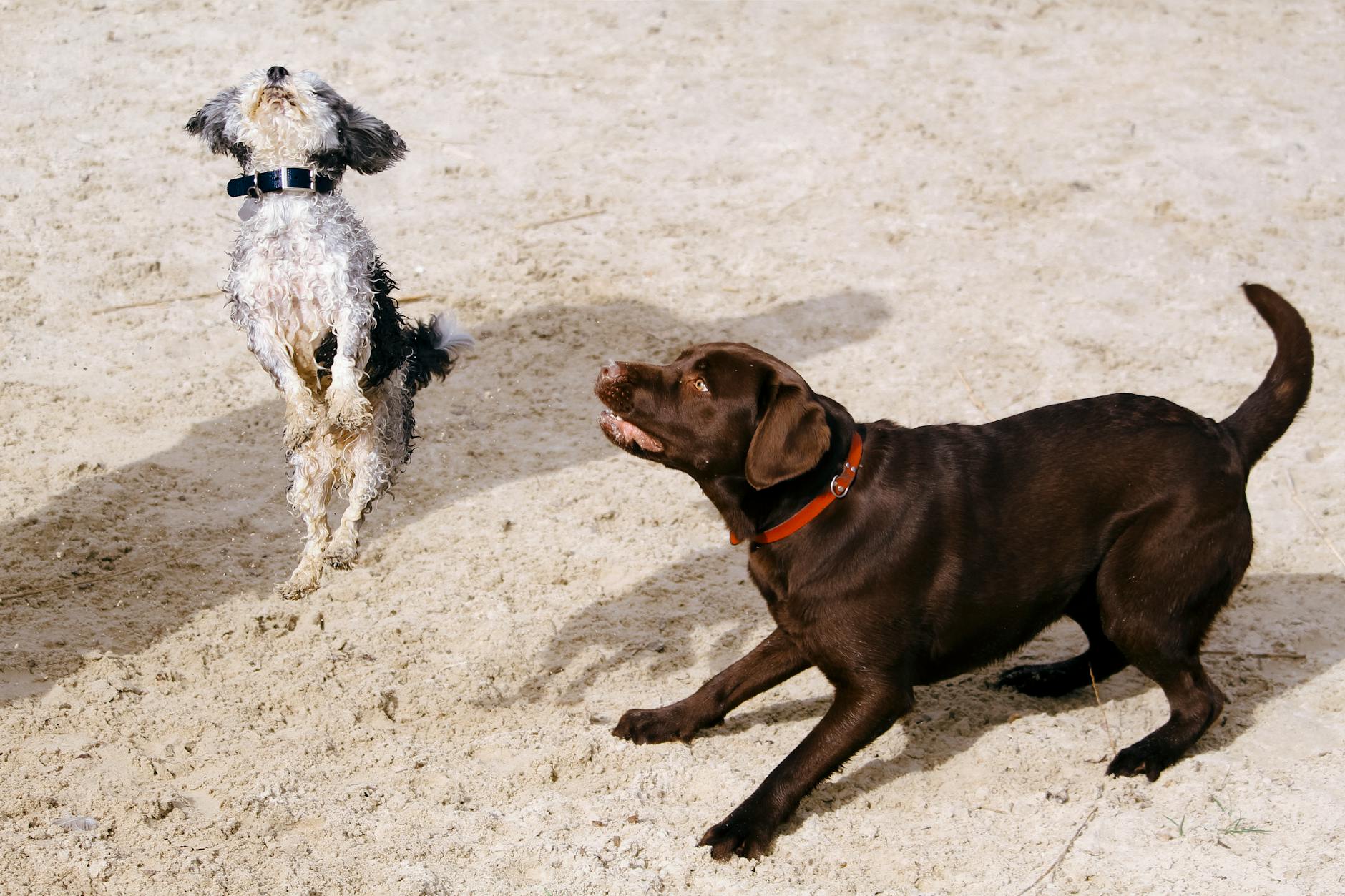
Installing digging areas with varied soil textures
Your dog’s natural digging instincts deserve a dedicated outlet in your sensory garden. Create designated digging zones using different soil mixtures – combine sand, regular potting soil, and mulch to offer varied tactile experiences. Set up these areas in contained spaces using raised beds or buried edging to keep the digging controlled. The texture variations will engage your dog’s paws and nose while satisfying their need to excavate.
Creating water features for auditory and tactile stimulation
Water elements transform your canine sensory stimulation space into an engaging playground. Install a shallow splash pad, bubbling fountain, or even a simple dripping water feature to provide both sounds and cooling relief. Your dog will love the auditory excitement of flowing water combined with the refreshing tactile sensation. Choose features with accessible water depths that encourage safe interaction while adding movement and visual interest to your backyard dog garden.
Incorporating natural obstacles for physical engagement
Design pathways using logs, stones, and raised platforms to encourage your dog’s natural climbing and balancing abilities. These obstacles promote physical exercise while engaging their proprioceptive senses. Arrange stepping stones, fallen branches, and small hills to create an adventure course that challenges coordination. Your stimulating dog garden ideas should include varying heights and surfaces that make navigation fun while building confidence and muscle strength through natural movement patterns.
Maintaining Safety While Maximizing Sensory Benefits

Removing toxic plants and hazardous materials
Before you start planting your dog sensory garden, research every plant thoroughly to ensure they’re safe for canine consumption. Remove common toxic plants like azaleas, foxgloves, and lily varieties from your garden space immediately. Check your yard for potential hazards such as sharp garden tools, chemical fertilizers, or small decorative items that could become choking hazards.
Creating secure boundaries to prevent escapes
Install proper fencing around your dog garden design to keep your pet safely contained while they explore. Check fence lines regularly for gaps, loose boards, or areas where your dog might dig underneath. Consider adding lattice panels or decorative barriers around particularly sensitive plant areas to protect both your greenery and your dog’s safety.
Regular maintenance schedules for plant health
Keep your dog-friendly plants healthy through consistent watering, pruning, and pest control using pet-safe methods only. Schedule weekly inspections to remove any dead plant material, fallen fruits, or debris that could harm your dog. Monitor plant growth to prevent overcrowding, which can create hiding spots for pests or reduce air circulation in your canine sensory stimulation space.
Monitoring your dog’s interaction and adjusting accordingly
Watch how your dog interacts with different elements in their sensory garden and make adjustments based on their behavior patterns. If they’re consistently digging in certain areas, consider relocating delicate plants or adding protective barriers. Document which features your dog enjoys most and least, then modify your backyard dog garden layout to maximize their engagement while minimizing potential problems.
Budget-Friendly DIY Sensory Enhancement Projects

Repurposing household items for sensory play
Transform everyday items into engaging sensory tools for your DIY dog garden without breaking the bank. Old plastic bottles make excellent treat-dispensing toys when you cut small holes and fill them with kibble. Empty cardboard boxes create perfect snuffle stations when stuffed with crumpled paper and hidden treats. Pool noodles can be repurposed as wobble toys or boundary markers, while old towels and blankets become textural play surfaces that add variety to your dog’s sensory experience.
Creating homemade scent stations and treat dispensers
Build effective scent stations using mason jars with perforated lids filled with dog-safe herbs like rosemary or mint. PVC pipes buried at different angles create underground sniffing tunnels that challenge your dog’s nose work abilities. For treat dispensers, drill holes in tennis balls or use muffin tins covered with tennis balls to hide treats underneath. These budget-friendly solutions provide mental stimulation while encouraging natural foraging behaviors in your backyard dog garden setup.
Building simple agility elements from natural materials
Fallen branches and logs make perfect natural jump obstacles and balance beams for your canine sensory stimulation space. Stack rocks to create varied height platforms, or use tree stumps as stepping stones that challenge your dog’s coordination. Weave poles can be crafted from bamboo stakes or even pool noodles attached to garden stakes. These natural agility elements blend seamlessly into your stimulating dog garden ideas while providing physical challenges that keep your pet engaged and active.

Creating a dog sensory garden is a straightforward project that delivers tremendous benefits for your furry friend’s mental and physical wellbeing. By incorporating elements that engage all five of your dog’s senses—scent, sight, sound, touch, and taste—you’re providing them with a stimulating environment that can reduce destructive behaviors and keep them happily occupied for hours. Remember to prioritize safety by choosing non-toxic plants and regularly inspecting your garden for any potential hazards.
Your sensory garden doesn’t need to be elaborate or expensive to be effective. Start small with a few aromatic herbs, varied textures, and simple DIY features, then gradually expand as you observe what your dog enjoys most. Regular maintenance will ensure your garden remains a safe, engaging space year-round. Most importantly, consult with your veterinarian before introducing new plants, especially if your dog tends to chew, and always verify that any plants you include are on the non-toxic list for canines.


