
DIY Puppy Lawn Using Hydroponics Or Real Grass Systems

Create the Perfect Indoor Potty Solution with DIY Puppy Lawn Using Hydroponics Or Real Grass Systems
Your puppy needs a reliable bathroom spot, but apartment living or harsh weather can make outdoor potty breaks challenging. A DIY puppy lawn gives you a clean, convenient indoor solution that works year-round.
This guide is for dog parents who want to build their own puppy potty area – especially apartment dwellers, busy professionals, or anyone dealing with extreme weather conditions that make regular outdoor trips difficult.
You’ll learn how to compare hydroponic and real grass systems to find the best fit for your space and budget. We’ll walk you through building both types of systems step-by-step, from gathering materials to final setup. You’ll also discover proven maintenance routines that keep your puppy lawn fresh and sanitary, plus training techniques that help your pup adapt to their new bathroom spot quickly.


Understanding Your Puppy’s Bathroom Needs

Identifying optimal lawn size for your dog breed
Your puppy’s size directly impacts the lawn dimensions you’ll need. Small breeds like Chihuahuas require a minimum 2×3 foot area, while medium dogs need at least 3×4 feet, and large breeds demand 4×6 feet or more. Consider your dog’s adult size when planning, as that tiny Golden Retriever puppy will triple in size within months.
Recognizing natural elimination patterns and preferences
Most puppies eliminate 15-30 minutes after eating, drinking, or waking up. Your pup likely prefers consistent surfaces and locations, so observe their current habits carefully. Some dogs favor grass textures, while others adapt to different materials. Young puppies need bathroom breaks every 2-3 hours, making accessibility crucial for successful training.
Evaluating indoor versus outdoor space requirements
Indoor systems work perfectly for apartments, bad weather, or night emergencies, but require proper ventilation and drainage. Outdoor setups offer natural odor control and more space but depend on weather conditions. Your living situation, climate, and lifestyle determine the best approach. Many dog owners find success combining both options for maximum flexibility.
Comparing Hydroponic and Real Grass Systems
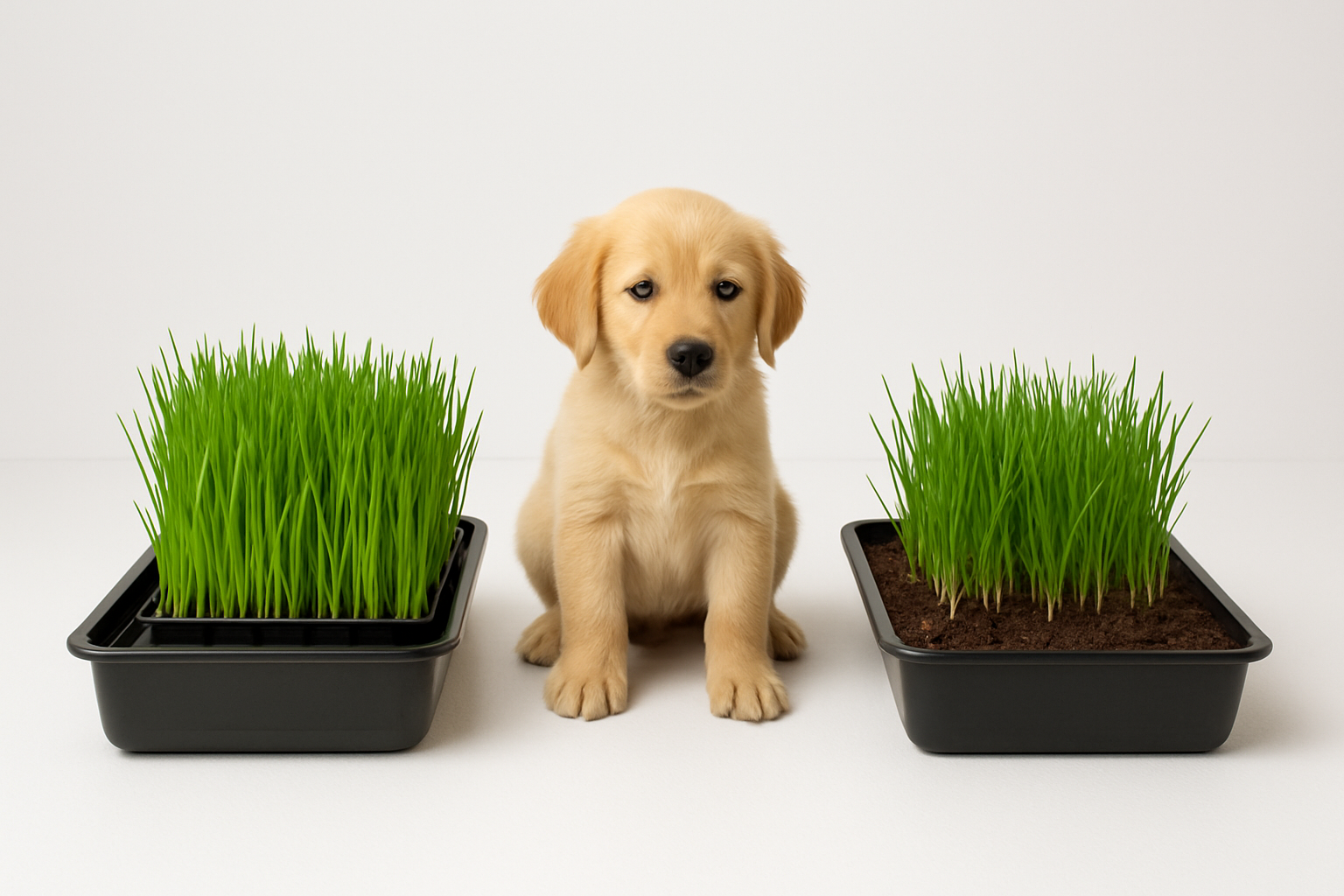
Cost analysis of initial setup and ongoing maintenance
Your upfront investment varies significantly between systems. Hydroponic setups typically cost $200-500 initially, including grow trays, pumps, lighting, and nutrient solutions. Real grass systems require $100-300 for soil, drainage materials, and quality sod or seed. Monthly maintenance costs favor hydroponics at $20-40 for nutrients and electricity, while real grass needs $15-25 for fertilizer, water, and occasional reseeding.
Durability and longevity of each system type
Hydroponic systems last 3-5 years with proper care, though individual components may need replacement sooner. Your grass grows consistently without weather dependency, but equipment failure can shut down the entire system. Real grass systems endure 2-3 years of heavy puppy use before requiring significant renovation. Weather, seasons, and your local climate directly impact grass health, but natural systems recover better from damage.
Environmental impact and sustainability factors
Your hydroponic system uses 90% less water than traditional grass while eliminating pesticides and fertilizer runoff. However, electricity consumption for lights and pumps increases your carbon footprint. Real grass produces oxygen, supports beneficial insects, and requires no electricity, but demands more water and potentially harmful chemicals. Consider your local water restrictions and energy sources when choosing your approach.
Ease of installation for beginners
Real grass installation feels more intuitive – you prepare soil, plant seeds or lay sod, and water regularly. Most dog owners can complete setup in one weekend with basic gardening knowledge. Hydroponic systems require understanding pH levels, nutrient mixing, and equipment troubleshooting. Your learning curve is steeper initially, but many find the controlled environment easier to manage once you grasp the basics.
Building Your Hydroponic Puppy Lawn System
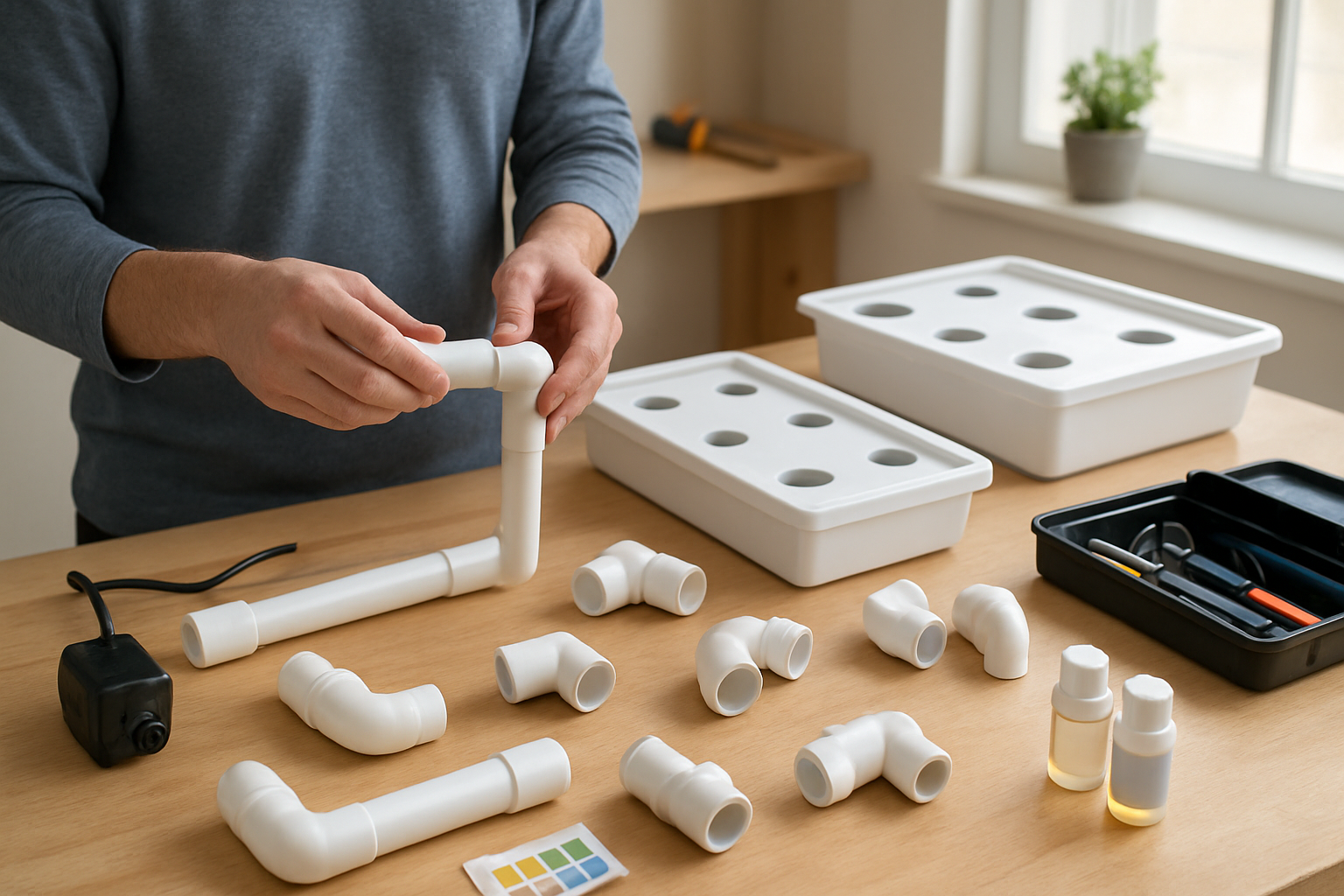
Essential Equipment and Materials Needed
You’ll need a waterproof tray or container (at least 2 inches deep), a water pump, tubing, growing medium like coconut coir or peat moss, and a timer for automated watering. Don’t forget pH testing strips, liquid fertilizer, and a drainage layer of pebbles.
Step-by-Step Assembly Process
Start by placing your drainage layer at the bottom of your container, then add your growing medium on top. Install your water pump in one corner and run tubing throughout the system to ensure even water distribution. Connect your timer to automate the watering schedule – typically 15 minutes every 2-3 hours works best. Test your system thoroughly before adding seeds to catch any leaks or circulation issues.
Proper Drainage and Water Circulation Setup
Your drainage system prevents root rot and keeps grass healthy. Create small holes in your container’s sides, about an inch from the bottom, to allow excess water to escape. Position your pump to circulate water evenly across the surface, ensuring no dry spots remain. The water should flow gently – too much pressure can disturb seeds and young grass shoots.
Selecting Appropriate Grass Seeds for Hydroponic Growth
Choose fast-growing, pet-safe grass varieties like wheatgrass, barley grass, or oat grass. These germinate quickly (3-5 days) and grow thick enough for puppy use within two weeks. Avoid fescue or bermuda grass as they’re harder to establish hydroponically. Soak your seeds for 8-12 hours before planting to speed up germination and get better coverage.
Creating a Natural Real Grass Puppy Area
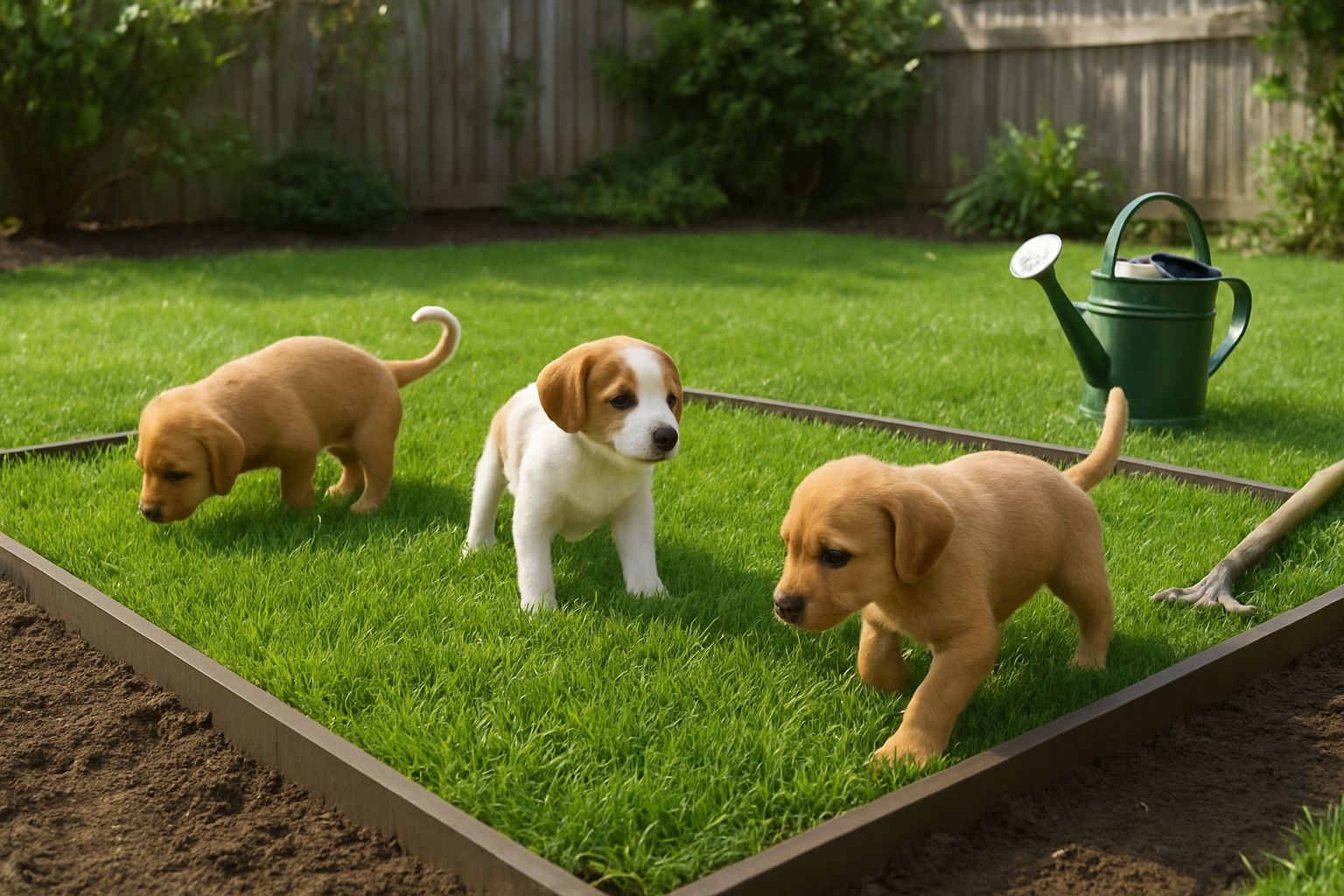
Choosing the Right Soil Composition and Depth
Your puppy lawn needs a soil mix that drains well while retaining enough moisture for healthy grass growth. Create a blend using 40% quality topsoil, 30% compost, and 30% coarse sand or perlite. This combination prevents waterlogging while providing essential nutrients. Aim for 4-6 inches of soil depth to support strong root development and give your grass the foundation it needs to handle daily puppy traffic.
Installing Effective Drainage Solutions
Proper drainage prevents soggy conditions that can harm both grass and your puppy’s paws. Install a 2-inch layer of gravel or drainage stones beneath your soil mixture. Add drainage holes every 12 inches if you’re using a contained system, or create a slight slope (1-2%) to direct water away from the area. Consider adding a French drain system for larger installations to handle heavy rainfall and frequent watering.
Selecting Pet-Safe Grass Varieties That Withstand Wear
Choose grass types that bounce back from heavy use and resist urine burn. Tall fescue and perennial ryegrass offer excellent durability and recovery speed. Bermuda grass works well in warmer climates, while buffalo grass provides natural drought resistance. Avoid delicate varieties like bentgrass that can’t handle rough play. Look for grass seed labeled as pet-friendly and consider mixing varieties to create a resilient lawn that stays green despite your puppy’s enthusiasm.
Maintenance and Care Strategies
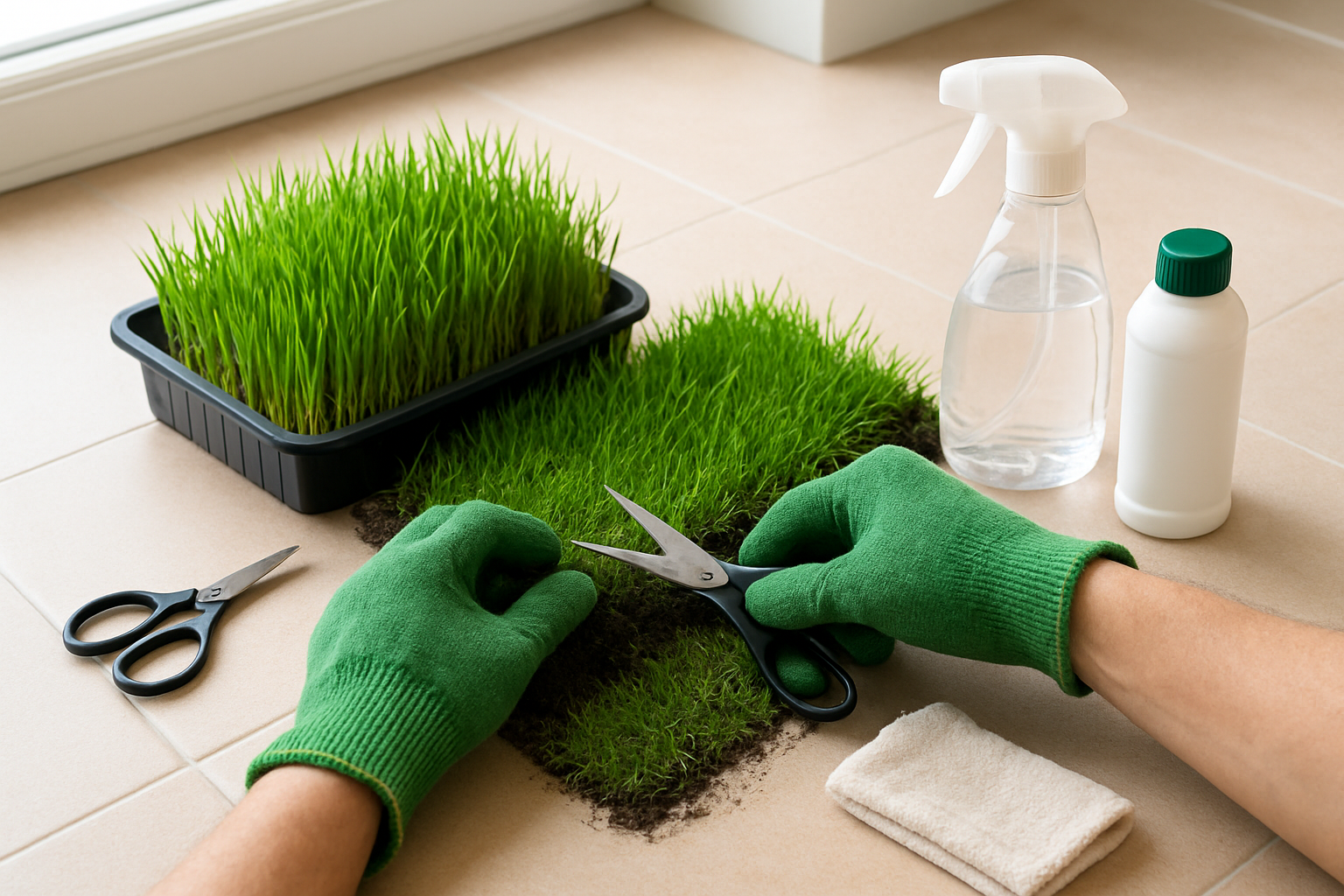
Daily cleaning routines for odor control
Clean your puppy lawn daily by removing solid waste immediately with a pooper scooper. Rinse the grass thoroughly with water to wash away urine and debris. For hydroponic systems, spray the growing medium with an enzyme cleaner designed for pet waste. Real grass areas benefit from weekly applications of pet-safe deodorizing spray. Replace paper towels or absorbent pads under the system daily to prevent moisture buildup and bacterial growth.
Watering schedules and nutrient management
Water your hydroponic system every 2-3 days, checking that the nutrient solution maintains proper pH levels between 5.5-6.5. Add liquid fertilizer weekly according to package directions. Real grass systems need daily watering, keeping soil consistently moist but not waterlogged. Monitor for yellowing or browning grass, which signals over or under-fertilization. Adjust your feeding schedule based on grass growth rate and your puppy’s usage frequency.
Grass replacement and system refreshing techniques
Replace hydroponic grass every 3-4 weeks or when growth slows significantly. Cut grass at soil level and replant fresh seeds in clean growing medium. For real grass systems, overseed bare patches monthly and completely replace sod every 6-8 weeks. Clean and disinfect trays, drainage systems, and containers during each replacement cycle. Rotate between two grass trays to ensure continuous availability while one regenerates.
Troubleshooting common problems and solutions
Yellow grass usually means too much water or fertilizer – reduce both and improve drainage. Brown spots indicate urine burn; dilute immediately with water and consider training your puppy to use different areas. Slow growth suggests insufficient light or nutrients. Mold or fungus growth means poor air circulation and excessive moisture. Bad odors persist when cleaning routines are inadequate or drainage is blocked. Keep backup grass ready for quick replacements when problems arise.


