
Artificial Grass Dog Potty Area (Pros, Cons, And Installation Tips)

Dog owners with busy schedules or limited outdoor space often struggle with managing their pets’ bathroom needs. An artificial grass dog potty area offers a practical solution that brings the outdoors inside, making life easier for both you and your furry friend.
This guide is designed for apartment dwellers, elderly pet owners, busy professionals, and anyone dealing with harsh weather conditions that make regular outdoor walks challenging. You’ll discover how artificial grass can transform your pet care routine while keeping your home clean and odor-free.
We’ll walk you through the key benefits of artificial grass dog potty areas, including convenience and hygiene advantages that real pet owners love. You’ll also learn about potential drawbacks like upfront costs and cleaning requirements that you should consider before making your decision. Finally, we’ll cover the complete installation process with step-by-step techniques that make setup straightforward, even for beginners.
Understanding Artificial Grass Dog Potty Areas
You Might Also Love These Ideas


What Makes Artificial Grass Perfect for Pet Relief Zones
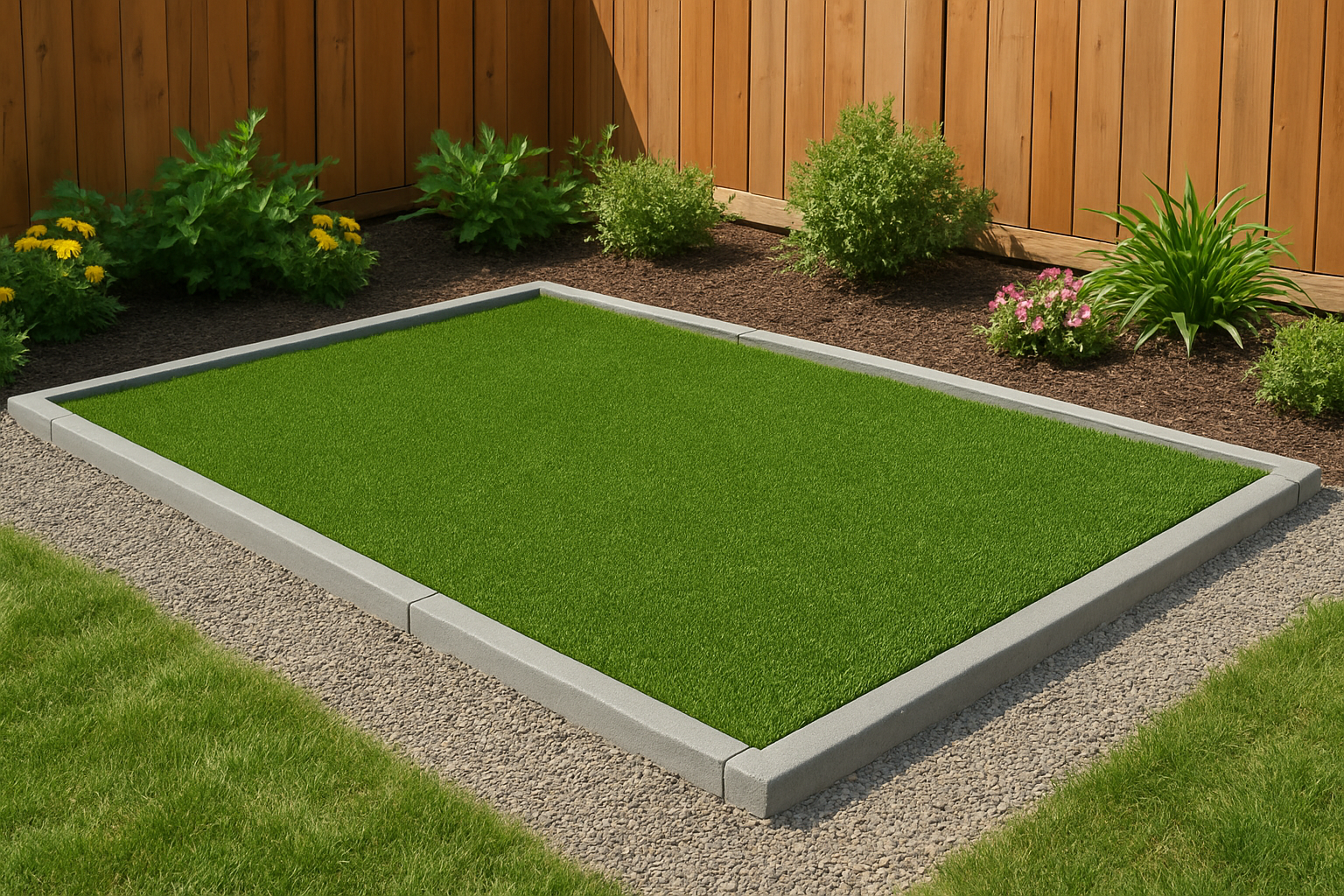
Your artificial grass dog potty area transforms any space into a clean, convenient bathroom solution for your furry friend. Unlike natural surfaces that become muddy and unsanitary, synthetic turf provides consistent drainage and odor control. You’ll appreciate how the antimicrobial fibers prevent bacteria buildup while maintaining a fresh appearance year-round.
Key Features That Benefit Both Dogs and Owners
You get peace of mind knowing your dog has a designated, hygienic space that won’t track dirt through your home. The non-slip backing keeps your pet secure during use, while the realistic texture appeals to their natural instincts. You’ll save time on cleanup since waste removal is straightforward, and the quick-dry technology means no soggy patches or unpleasant smells lingering around your property.
How Synthetic Turf Compares to Traditional Grass for Pet Use
Your synthetic option outperforms natural grass in durability and maintenance demands. While real grass dies from concentrated urine and requires constant watering, fertilizing, and mowing, your artificial alternative stays green and uniform. You won’t deal with brown spots, seasonal dormancy, or pest problems. The initial investment pays off through reduced water bills, eliminated lawn care products, and consistent usability regardless of weather conditions affecting your outdoor space.
Major Advantages of Artificial Grass Dog Potty Areas
Year-Round Green Appearance Regardless of Weather
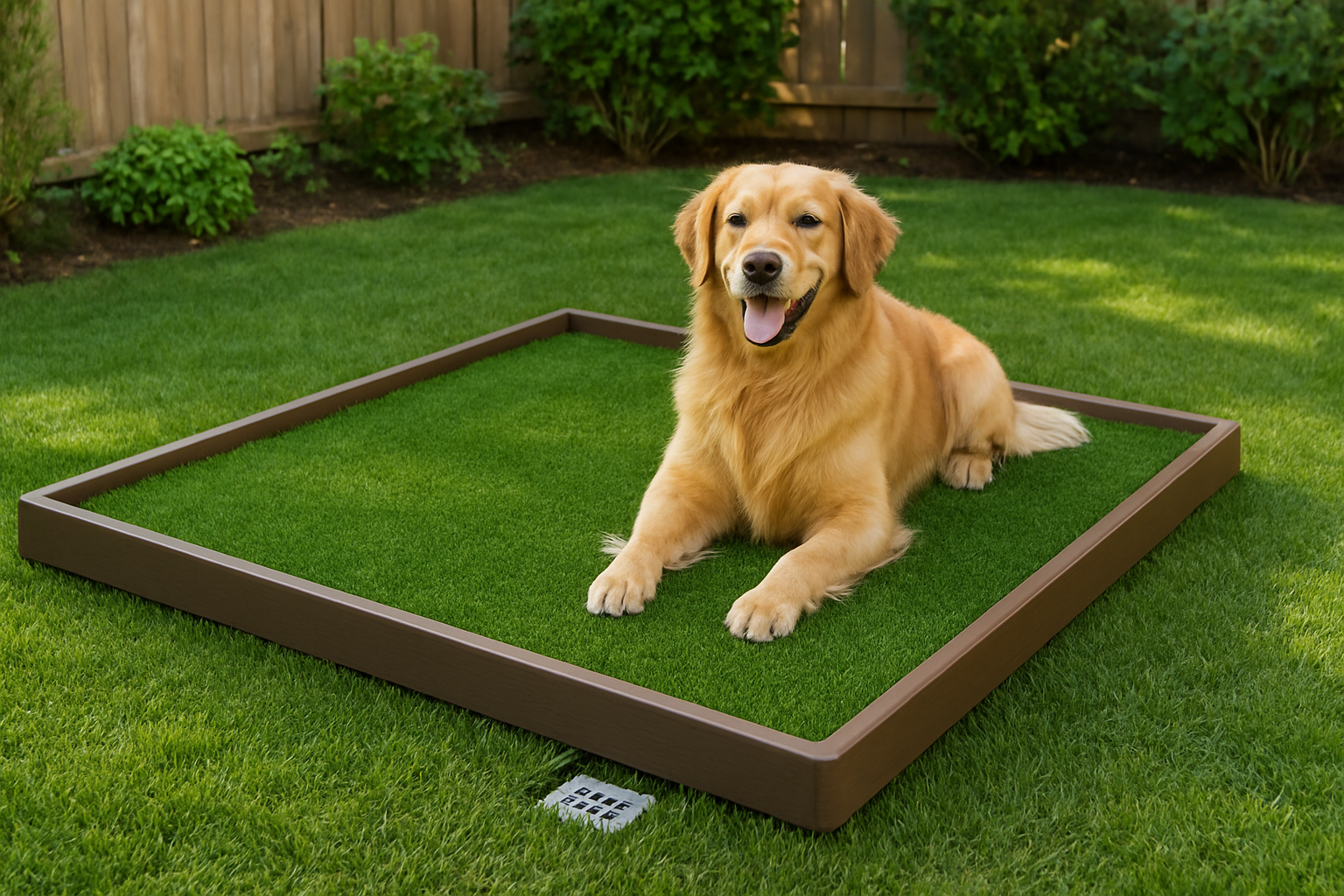
You’ll never have to worry about brown patches, dead spots, or seasonal dormancy with artificial grass. Your dog’s potty area stays vibrant green through scorching summers, freezing winters, and everything in between. While natural grass struggles with weather extremes, your synthetic lawn maintains its perfect appearance 365 days a year.
Elimination of Muddy Paws and Tracked-In Dirt
Your floors will thank you for choosing artificial grass. No more muddy paw prints trailing through your house after rainy days or morning dew sessions. The synthetic surface drains quickly and doesn’t turn into a messy mud pit, keeping your dog’s paws clean and your home spotless. You can say goodbye to constant mopping and carpet cleaning.
Reduced Maintenance Compared to Natural Grass
Your weekend lawn care routine becomes a thing of the past. You won’t need to mow, water, fertilize, or reseed your dog’s potty area ever again. There’s no worrying about yellow burn spots from urine or worn patches from heavy use. Your artificial grass stays consistently lush without the time, effort, and money that natural grass demands.
Improved Drainage and Odor Control Systems
You’ll be amazed at how well-designed artificial grass systems handle waste and moisture. The permeable backing allows liquids to drain through quickly, preventing pooling and reducing odor buildup. Many systems include antimicrobial infill materials that actively combat bacteria and smell. Your outdoor space stays fresher and more hygienic than traditional grass areas.
Potential Drawbacks and Limitations to Consider
Initial Investment Costs and Budget Considerations
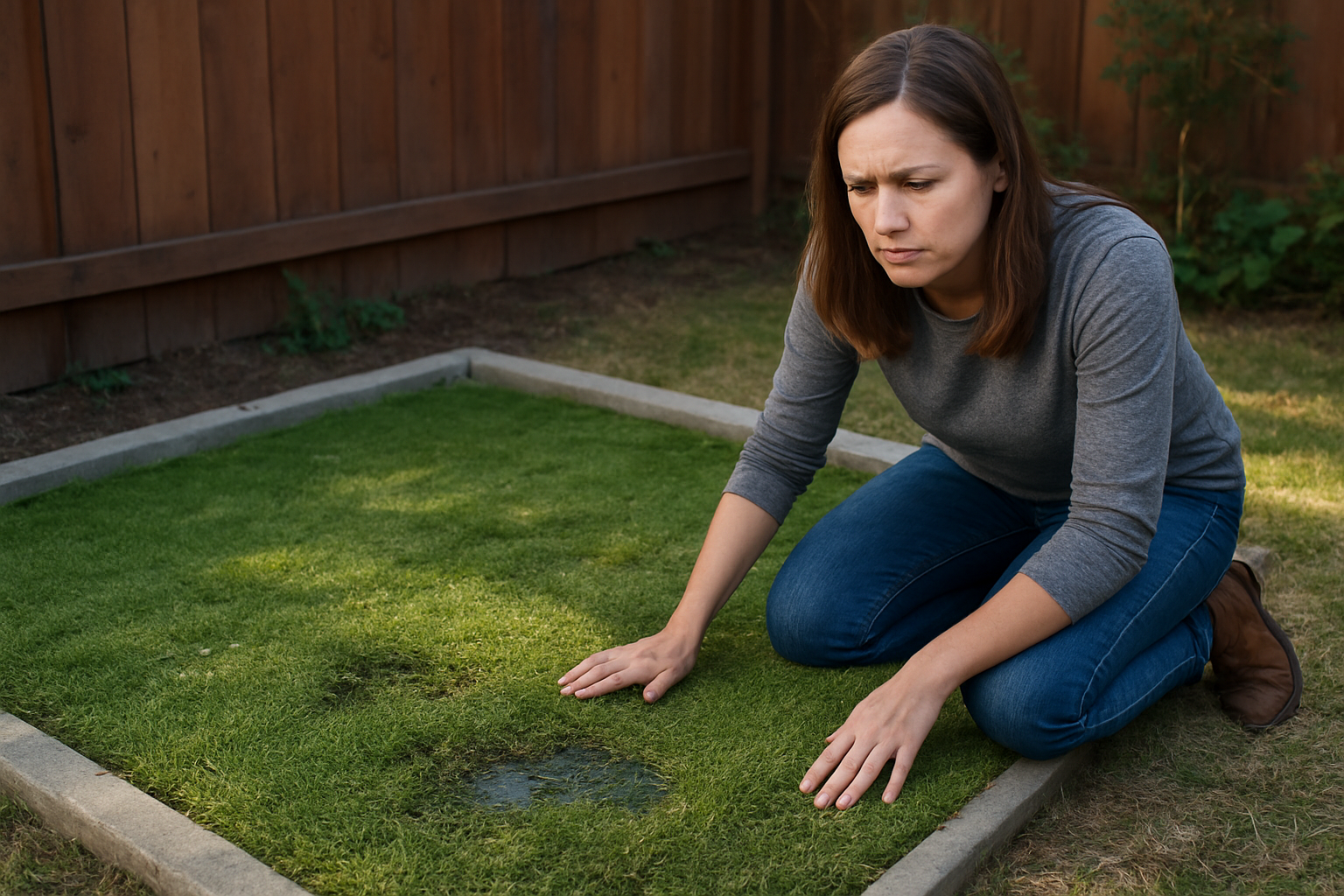
You’ll face significant upfront expenses when installing artificial grass for your dog’s potty area. Quality synthetic turf costs between $5-15 per square foot, plus materials like drainage systems, infill, and base preparation. Professional installation adds $3-8 per square foot. For a typical 10×10 area, expect to invest $800-2,300 total. While expensive initially, you’ll save money long-term by eliminating seed, fertilizer, and water costs that natural grass requires.
Heat Retention Issues During Summer Months
Artificial grass absorbs and retains heat much more than natural grass, creating uncomfortable conditions for your dog’s paws during hot weather. Surface temperatures can reach 140-160°F on sunny days when air temperature hits 80°F. You’ll need to hose down the area before your dog uses it or provide shade structures. Consider lighter-colored turf options or cooling infill products to reduce heat absorption and protect your pet’s comfort.
Regular Cleaning Requirements for Hygiene Maintenance
Your artificial grass potty area demands consistent cleaning to prevent odors and bacteria buildup. You’ll need to remove solid waste immediately and rinse urine spots with water daily. Weekly deep cleaning with enzyme-based cleaners helps eliminate lingering smells. Monthly treatments with antimicrobial solutions keep the surface hygienic. Without proper maintenance, ammonia odors become overwhelming and the area becomes unsanitary for both your dog and family.
Essential Pre-Installation Planning Steps
Choosing the Right Location for Maximum Convenience
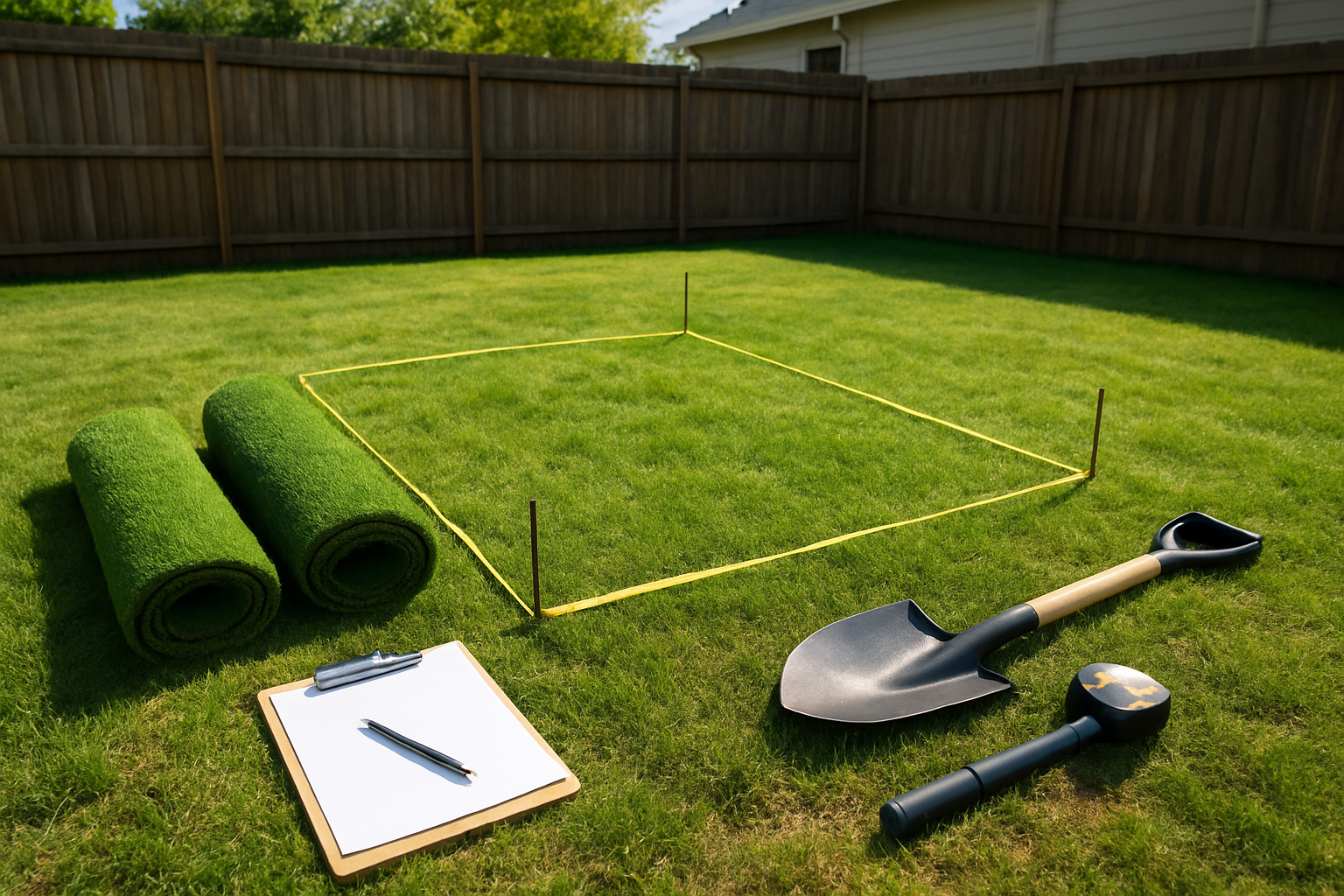
Your dog potty area works best in a spot that’s easily accessible yet separate from high-traffic zones. Pick a location with good drainage, partial shade to prevent overheating, and close enough to your home for quick cleanup. Avoid areas directly under trees where debris constantly falls, or spots that get waterlogged during heavy rain.
Measuring and Calculating Required Materials
Measure your designated space twice to avoid costly mistakes. Calculate square footage by multiplying length times width, then add 10% extra for cuts and waste. You’ll need artificial turf, infill material, drainage base, landscape fabric, and securing materials. Create a detailed materials list with quantities – most suppliers can help verify your calculations before purchase.
Selecting Quality Turf Designed for Pet Applications
Not all artificial grass handles pet waste effectively. Look for turf with antimicrobial backing, excellent drainage rates, and durable fibers that resist odors. Pet-specific products often feature shorter pile heights and specialized backing materials. Check the drainage rate – you want at least 30 inches per hour. Read reviews from other pet owners and ask suppliers about warranty coverage for pet-related issues.
Understanding Drainage Requirements for Your Space
Proper drainage prevents odor buildup and keeps your artificial grass functional. Install a gravel base layer for drainage, typically 2-4 inches deep depending on your soil type. Clay soils need deeper drainage systems, while sandy soils drain naturally. Consider adding a French drain or catch basin if your yard has standing water issues. Grade the area with a slight slope away from structures.
Complete Installation Process and Techniques
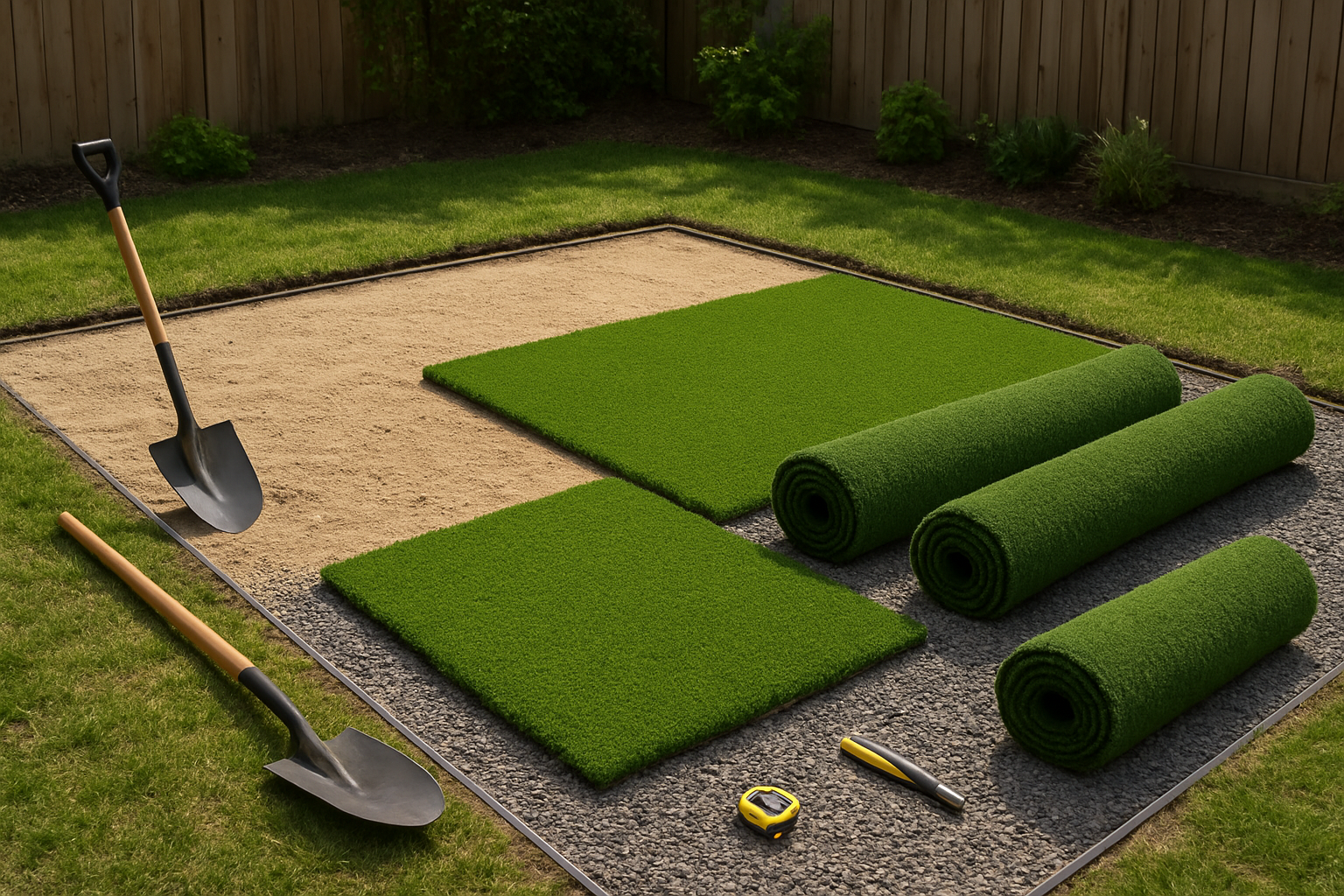
Proper Ground Preparation and Base Layer Creation
Start by clearing your designated area of all grass, weeds, and debris. Dig down 3-4 inches below your desired finished grade. Compact the soil using a plate compactor or hand tamper to create a stable foundation. Install a weed barrier fabric across the entire area to prevent future growth. Add a base layer of crushed stone or decomposed granite, spreading it evenly and compacting in 1-inch lifts. The base should slope slightly away from structures for proper drainage.
Installing Effective Drainage Systems
Your drainage system prevents odor buildup and keeps the area clean. Install perforated drainage pipes along the perimeter, connecting them to your existing drainage or a dry well. Create drainage channels every 6-8 feet across larger areas. For smaller installations, ensure the base material itself provides adequate drainage. Test water flow by hosing down the prepared area before installing turf. Poor drainage leads to standing water, bacterial growth, and unpleasant smells that defeat the purpose of your artificial grass potty area.
Securing and Seaming Artificial Turf Properly
Roll out your artificial turf and let it acclimate for 30 minutes in direct sunlight. Cut the turf with a sharp utility knife, always cutting from the backing side. Align the grain direction consistently across all pieces. For seams, butt edges tightly together without overlapping. Apply seaming tape underneath joints and spread adhesive evenly. Press edges firmly into the adhesive and allow proper curing time. Secure perimeters with galvanized nails or staples every 6 inches, keeping fasteners within 1 inch of edges.
Adding Infill Materials for Optimal Performance
Choose antimicrobial infill specifically designed for pet areas to control odors and bacteria. Spread infill evenly across the surface using a drop spreader or by hand. Work the material deep into the turf fibers using a stiff-bristled broom or power broom. Apply infill in thin layers, brushing between applications to ensure even distribution. You’ll need approximately 1-2 pounds per square foot depending on pile height. Focus extra infill in high-traffic areas where your dog typically eliminates for maximum odor control.
Final Touches and Quality Checks
Walk the entire installation checking for loose edges, gaps, or uneven areas. Brush the turf against the grain to lift fibers and create a natural appearance. Test drainage by thoroughly wetting the surface and ensuring water flows properly without pooling. Check that all seams lie flat and secure any lifting edges immediately. Apply a final layer of infill if needed and brush once more. Your completed installation should feel firm underfoot with no soft spots or wrinkles that could create tripping hazards.
Ongoing Maintenance for Long-Term Success
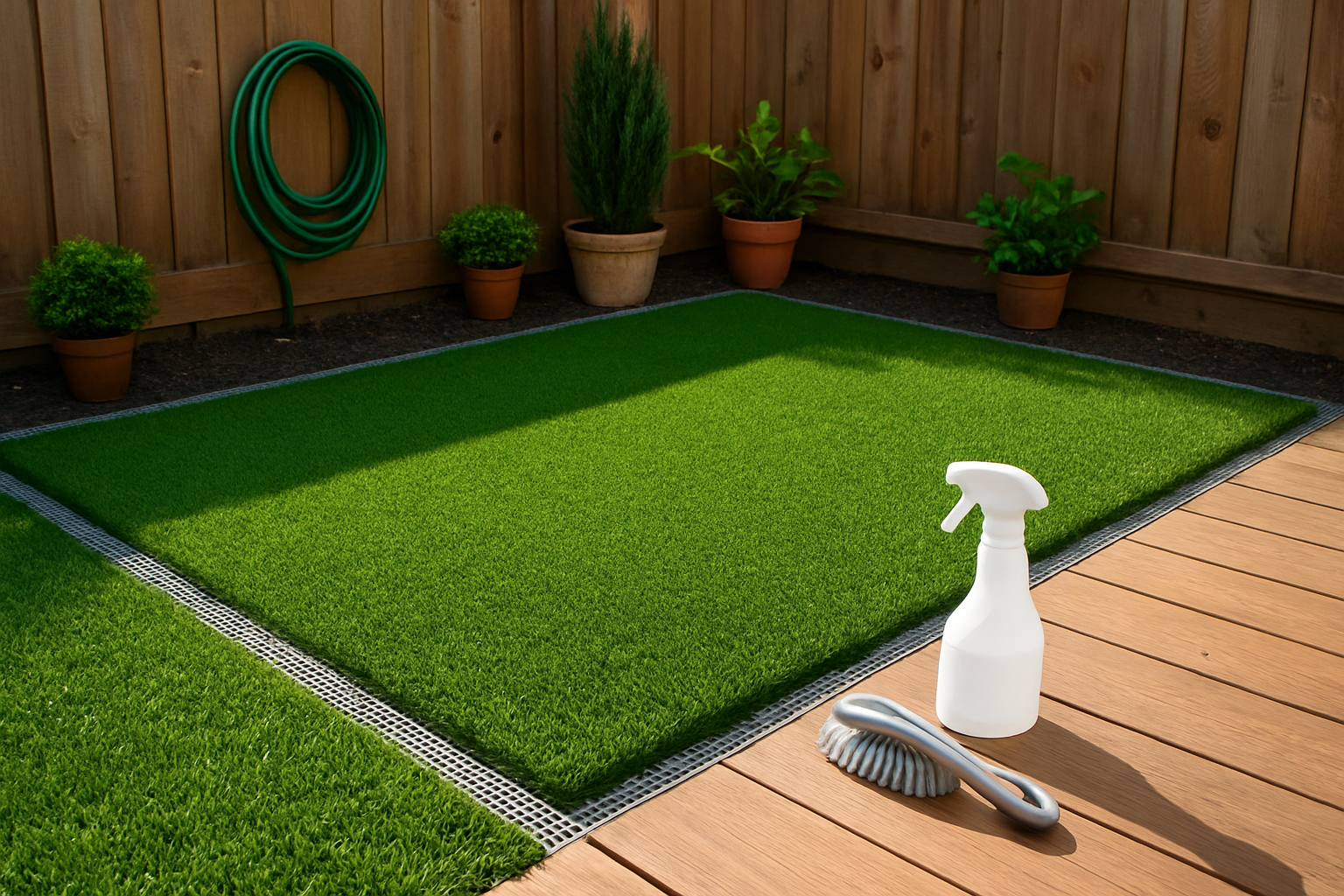
Daily Waste Removal and Spot Cleaning Routines
You’ll need to remove solid waste immediately to prevent odors and bacterial buildup on your artificial grass dog potty area. Pick up droppings with biodegradable bags, then rinse the spot with water from your garden hose. For urine areas, spray the surface with a pet-safe enzyme cleaner or a simple mixture of water and white vinegar. Brush the grass fibers gently with a stiff bristle brush to keep them upright and prevent matting. Check for any debris like leaves or toys that might trap moisture underneath.
Weekly Deep Cleaning and Sanitizing Methods
Your artificial grass needs a thorough weekly cleaning to eliminate bacteria and persistent odors. Start by hosing down the entire surface with high water pressure to flush out accumulated waste particles between the grass blades. Apply a pet-safe antimicrobial solution across the area, letting it sit for 10-15 minutes before rinsing thoroughly. Use a power brush or stiff broom to scrub stubborn stains and redistribute the infill material evenly. Pay extra attention to corners and edges where waste tends to collect.
Seasonal Maintenance Tasks and Inspections
Every three months, inspect your dog potty area for signs of wear, loose seams, or drainage issues that could affect performance. During spring cleaning, remove any organic matter that accumulated over winter and check that drainage systems aren’t clogged with debris. Summer maintenance focuses on preventing heat buildup by hosing down the surface during hot days and checking for any fading or UV damage. Fall preparation involves clearing leaves promptly and ensuring proper water flow before winter weather arrives. Replace infill material annually to maintain optimal drainage and odor control.


