
Simple Solutions to Reduce Dog Mud in Your Backyard

Tired of your dog turning your backyard into a muddy mess? You’re not alone. Dog owners everywhere struggle with simple solutions to reduce dog mud in your backyard, especially during rainy seasons or after your pup’s daily play sessions.
This guide is for dog parents who want to keep their yards clean without restricting their furry friend’s outdoor fun. You’ll discover practical ways to tackle the mud problem at its source and create a cleaner space for both you and your dog.
We’ll walk through identifying what’s actually causing your muddy yard problems, then show you how to install the right ground coverings that can handle paws and weather. You’ll also learn drainage tricks that prevent water from pooling in the first place, plus how to set up dedicated play zones that keep the mess contained.
Identify Root Causes of Muddy Yard Problems
You Might Also Love These Ideas


Assess drainage issues and water pooling areas
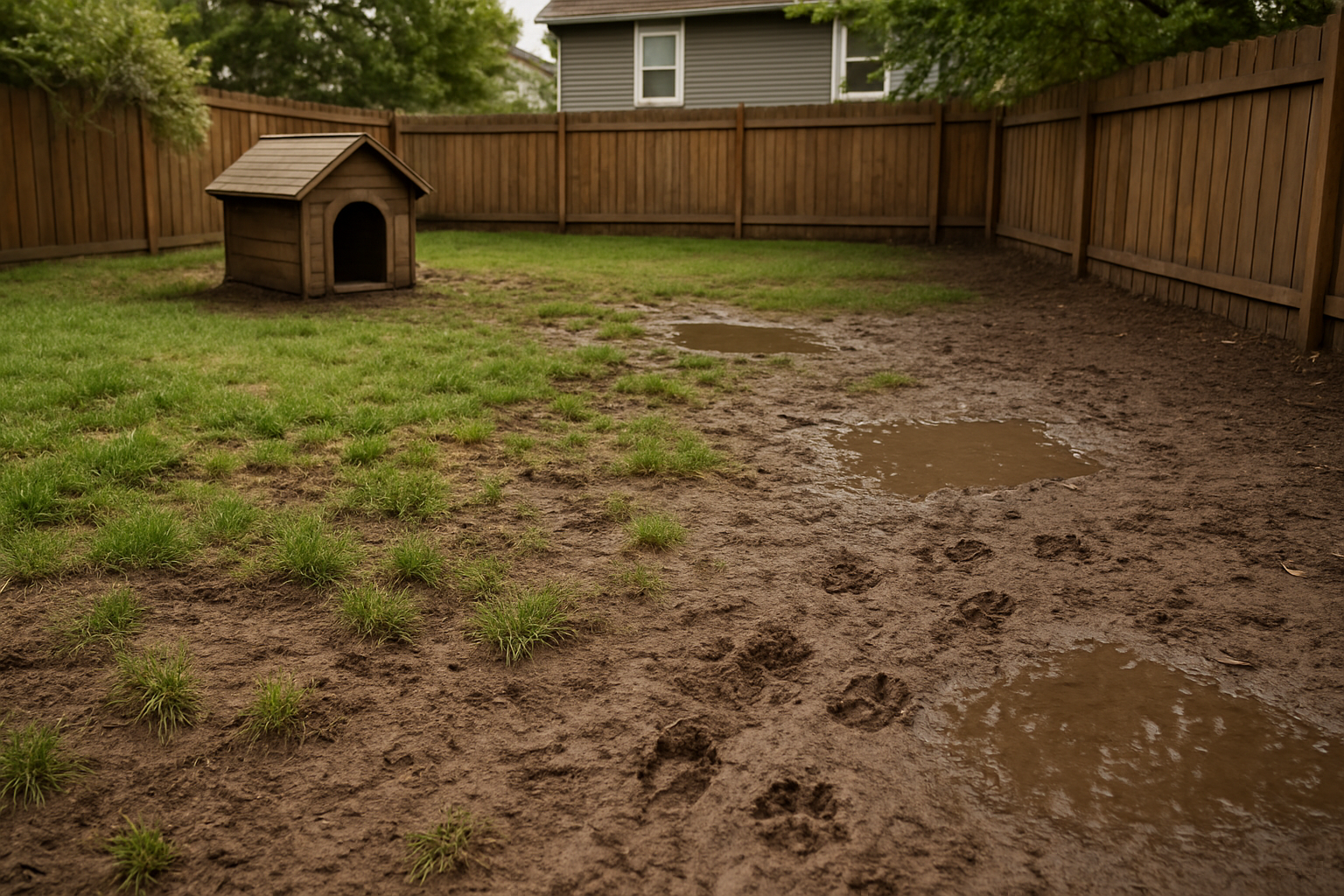
Walk around your yard during and after rainfall to spot where water collects and refuses to drain. These soggy areas become your dog’s personal mud pits, especially near downspouts, low-lying sections, or anywhere your gutters overflow. Check for clogged drainage systems and note which spots stay wet longest after storms.
Evaluate high-traffic zones where dogs frequently run
Your dog creates predictable pathways through your yard – from the back door to their favorite bathroom spot, along fence lines during patrol sessions, or wherever they chase squirrels. These well-worn routes experience constant paw pressure that kills grass and exposes bare soil. Map out these heavy-use areas to understand where mud problems will be worst.
Recognize soil compaction from repeated paw traffic
Constant paw pressure compacts your soil, making it harder for water to penetrate and grass to grow. Compacted areas shed water instead of absorbing it, creating runoff that carries dirt and creates muddy conditions elsewhere in your yard. Test soil firmness by pushing a screwdriver into the ground – if it’s difficult to penetrate, compaction is likely your problem.
Determine seasonal factors affecting mud formation
Spring thaws, heavy summer rains, and fall leaf accumulation all contribute to muddy conditions in different ways. Your yard’s mud patterns change with seasons as frozen ground prevents drainage, summer storms create flash flooding, and decomposing leaves create slippery surfaces. Understanding these cycles helps you prepare for peak mud seasons and plan preventive measures accordingly.
Install Strategic Ground Coverings and Surfaces
Create gravel pathways in heavily used areas
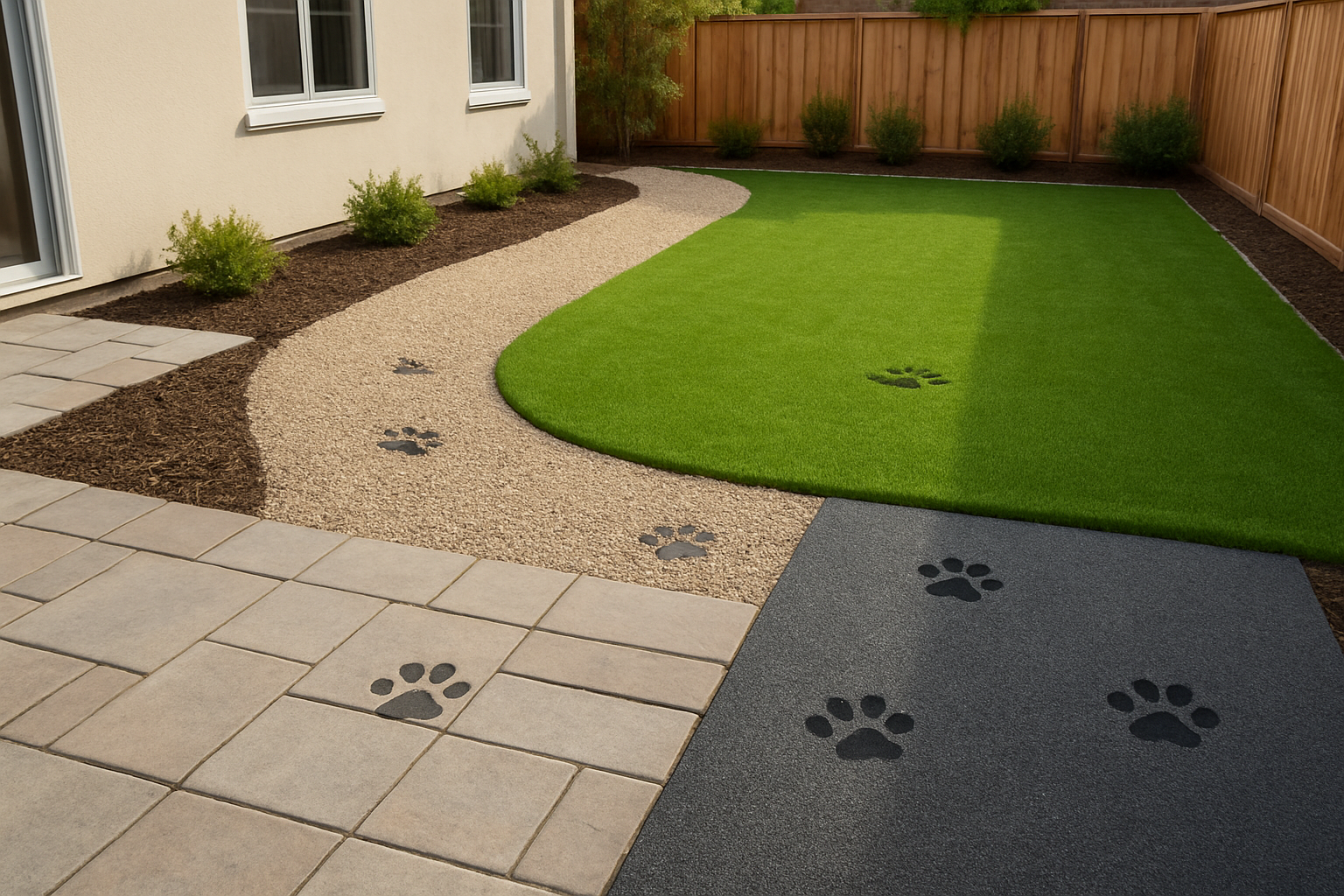
Install pea gravel or decomposed granite along your dog’s favorite routes through the yard. These materials provide excellent drainage while creating clean walking surfaces that won’t turn muddy after rain.
Add rubber mats near doorways and gates
Place heavy-duty outdoor mats at every entrance your dog uses. Choose textured rubber mats that scrape paws clean and can handle frequent washing. Position them both inside and outside doorways for maximum mud prevention.
Plant grass alternatives that withstand dog activity
Replace struggling grass with hardy ground covers like clover, thyme, or artificial turf in high-traffic zones. These alternatives resist wear from running and digging while maintaining green coverage year-round without creating bare mud patches.
Use mulch to protect soil in garden beds
Apply thick layers of cedar or hardwood mulch around plants and trees where your dog frequently walks. Mulch absorbs moisture, prevents soil compaction, and creates defined pathways that naturally guide your pet away from delicate plantings.
Improve Yard Drainage and Water Management
Install French drains in problematic wet areas
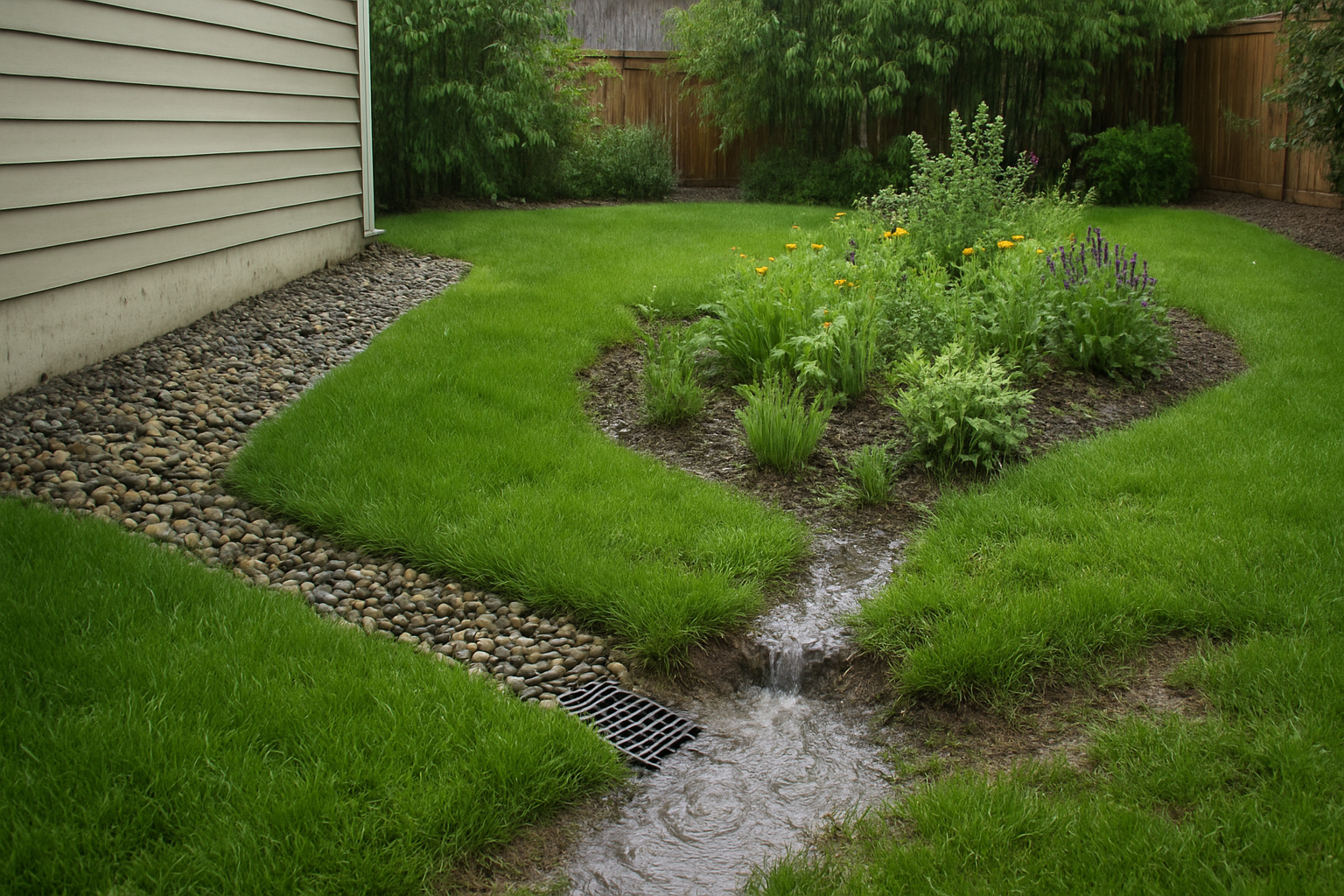
French drains work like underground highways for water, channeling excess moisture away from your dog’s favorite spots. You’ll want to dig trenches about 18 inches deep in areas where water pools after rain. Fill these trenches with graded gravel and wrap perforated pipe in landscape fabric before burying it. This system quietly moves water away from problem zones, keeping your yard drier and reducing those muddy patches your dog loves to roll in.
Grade soil to direct water away from play zones
Your yard’s slope determines where water goes, so take control by reshaping problem areas. Create gentle grades that send water flowing toward storm drains or designated drainage areas instead of pooling where your dog plays. You can add soil to low spots and smooth out depressions that collect rainwater. Even a subtle 1-2% slope makes a huge difference in keeping water moving instead of creating swampy conditions.
Add rain gardens to manage excess water naturally
Rain gardens act like natural sponges, soaking up excess water while looking beautiful in your landscape. Choose a low-lying area about 20 feet from your house and plant it with native plants that love wet conditions. These gardens catch runoff from your roof and yard, filtering it slowly into the ground instead of creating muddy rivers across your lawn. Your dog gets a drier yard, and you get an attractive garden feature that actually serves a purpose.
Establish Dog-Friendly Exercise Areas
Designate specific play zones with durable materials
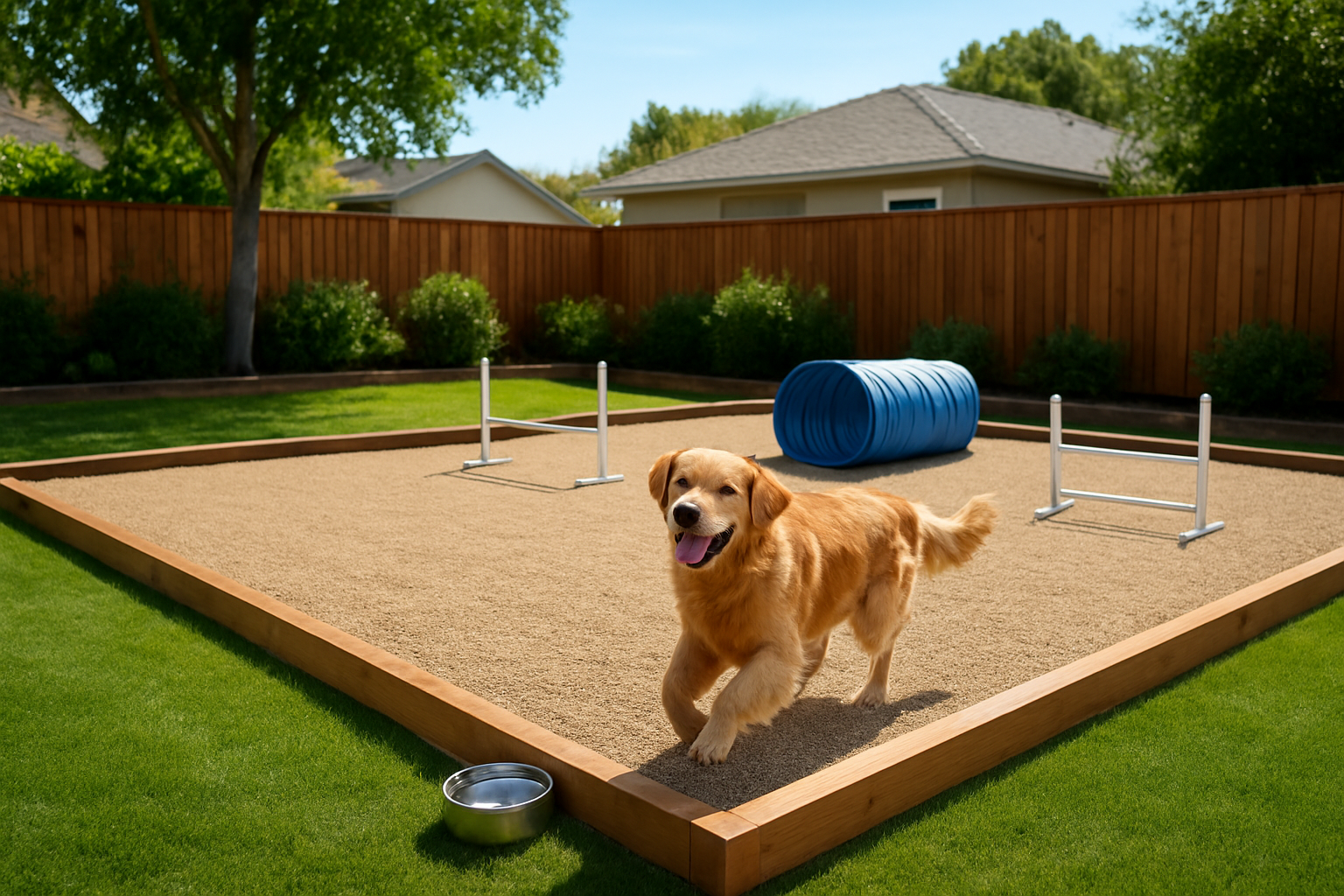
Transform your backyard by creating dedicated play areas using gravel, sand, or rubber mats that can handle your dog’s energy without turning into muddy messes. Choose materials like pea gravel or decomposed granite that drain well and stay firm underfoot, giving your pup a reliable space to run and play regardless of weather conditions.
Create separate potty areas away from main lawn
Set up a designated bathroom zone using mulch, gravel, or artificial turf in a corner of your yard away from high-traffic areas. Train your dog to use this specific spot consistently, and you’ll protect your main lawn from yellow spots and muddy patches while making cleanup much easier for yourself.
Build raised platforms for feeding and resting
Construct elevated platforms using weather-resistant materials like composite decking or treated lumber to keep your dog’s food, water, and resting areas above ground level. These raised spaces stay cleaner and drier than ground-level spots, reducing the chances your dog will track mud and debris back into your home after meals or naps.
Maintain Clean Entry Points to Prevent Tracking
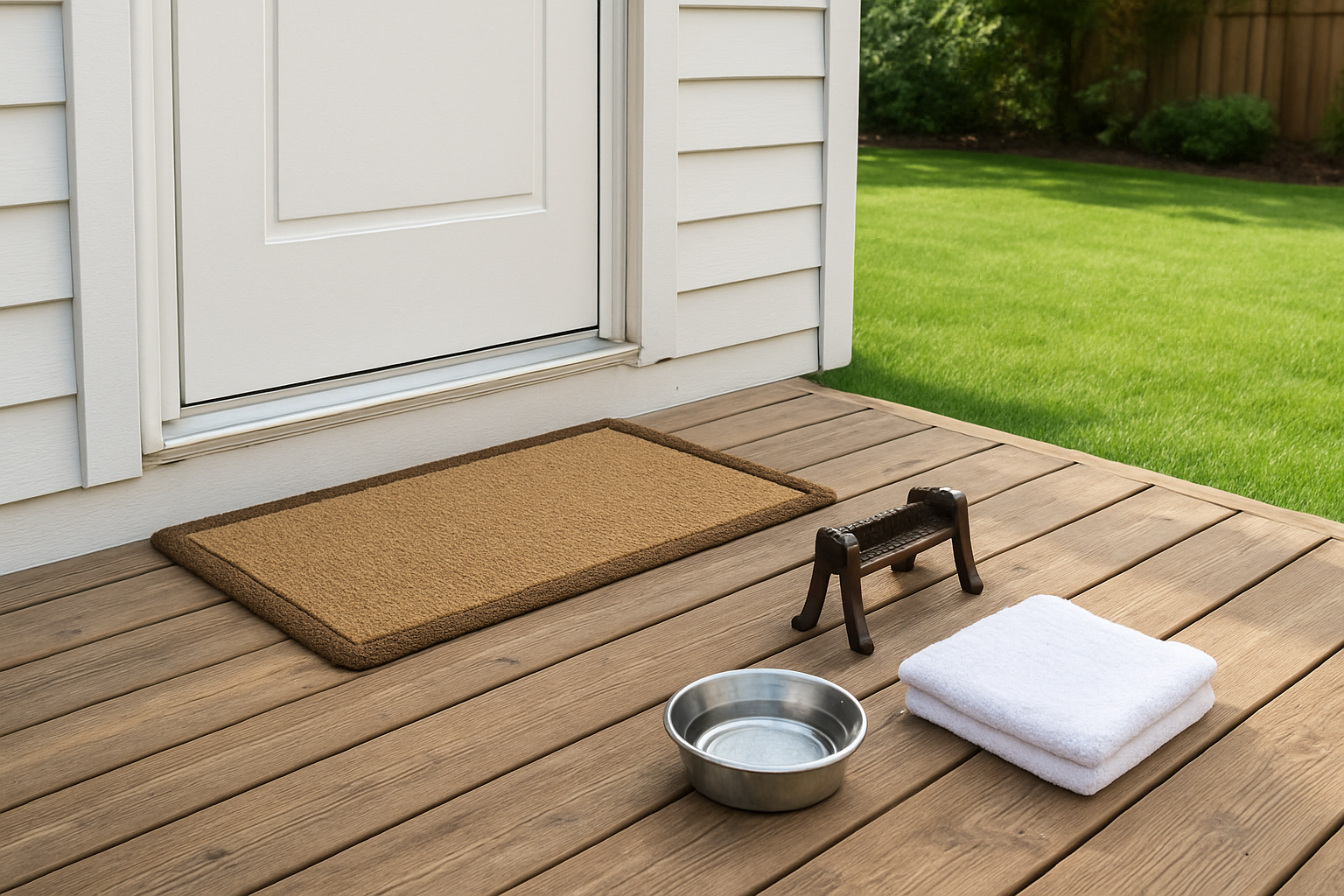
Set up paw washing stations at doorways
Create dedicated paw cleaning zones right at your entry points. Install a shallow basin or use a portable paw washer filled with clean water. Position these stations where your dog naturally stops before entering the house. Add a soft brush or cloth nearby for stubborn dirt removal.
Install boot scrapers and absorbent mats
Place heavy-duty boot scrapers outside each door your dog uses. Choose models with stiff bristles that effectively remove caked mud from paws. Layer high-absorption mats both outside and inside doorways. Microfiber mats work exceptionally well for trapping moisture and dirt particles before they spread throughout your home.
Keep towels readily available for quick cleanups
Stock designated dog towels near every entrance. Hang them on hooks or store in weatherproof containers for easy access. Choose dark-colored, quick-drying towels that hide dirt stains. Keep separate towels for different seasons – thicker ones for winter mud and lighter ones for summer dust and moisture.
Position outdoor hoses for easy access
Install retractable hose reels near your main dog entrances. Choose hoses with adjustable spray nozzles for gentle paw rinsing. Consider frost-free spigots if you live in cold climates. Keep hoses coiled and ready year-round, making it simple to rinse muddy paws before your dog enters the house.
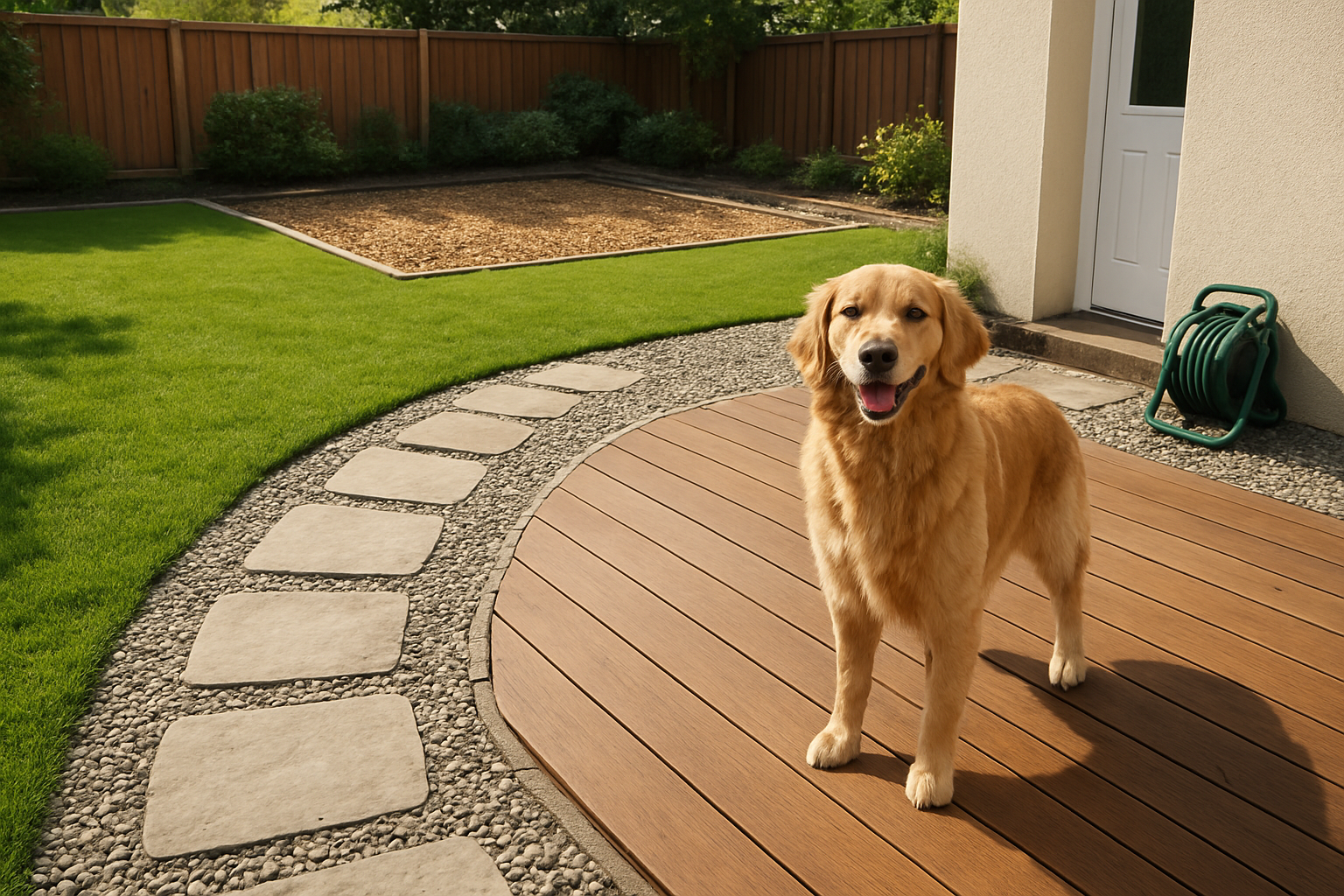
Dealing with muddy paws and a torn-up backyard doesn’t have to be your reality. You’ve now got a toolkit of practical strategies to tackle this messy problem head-on. From understanding what’s causing the mud in the first place to installing smart ground coverings, improving drainage, and creating dedicated play zones for your dog, these solutions work together to transform your yard into a cleaner, more enjoyable space for everyone.
The best part? You don’t need to choose between having a beautiful yard and keeping your furry friend happy. Start with one or two changes that make the most sense for your situation and budget, then build from there. Your dog will still get to enjoy outdoor time, and you’ll finally be able to say goodbye to those muddy paw prints trailing through your house. Clean paws and a pristine yard are absolutely within reach.


