
7 Genius Ways to Cover Mud in Your Yard for Dogs (No More Dirty Paws)

Tired of your dog tracking mud through your house every time they step outside? You’re not alone in this messy battle that countless dog owners face daily.
This guide is designed for dog parents who want to reclaim their yards and say goodbye to dirty paw prints on floors, furniture, and carpets. You’ll discover practical solutions that work for any budget and yard size.
We’ll walk you through immediate fixes you can implement today to cover existing mud, explore long-term ground cover options that dogs actually enjoy playing on, and share proven drainage techniques to stop mud from forming in the first place. You’ll also learn how to create dedicated dog areas and maintain your chosen solutions so they last for years to come.
Understanding Why Your Yard Becomes a Muddy Mess
You Might Also Love These Ideas


Common Causes of Persistent Mud Problems in Dog Areas
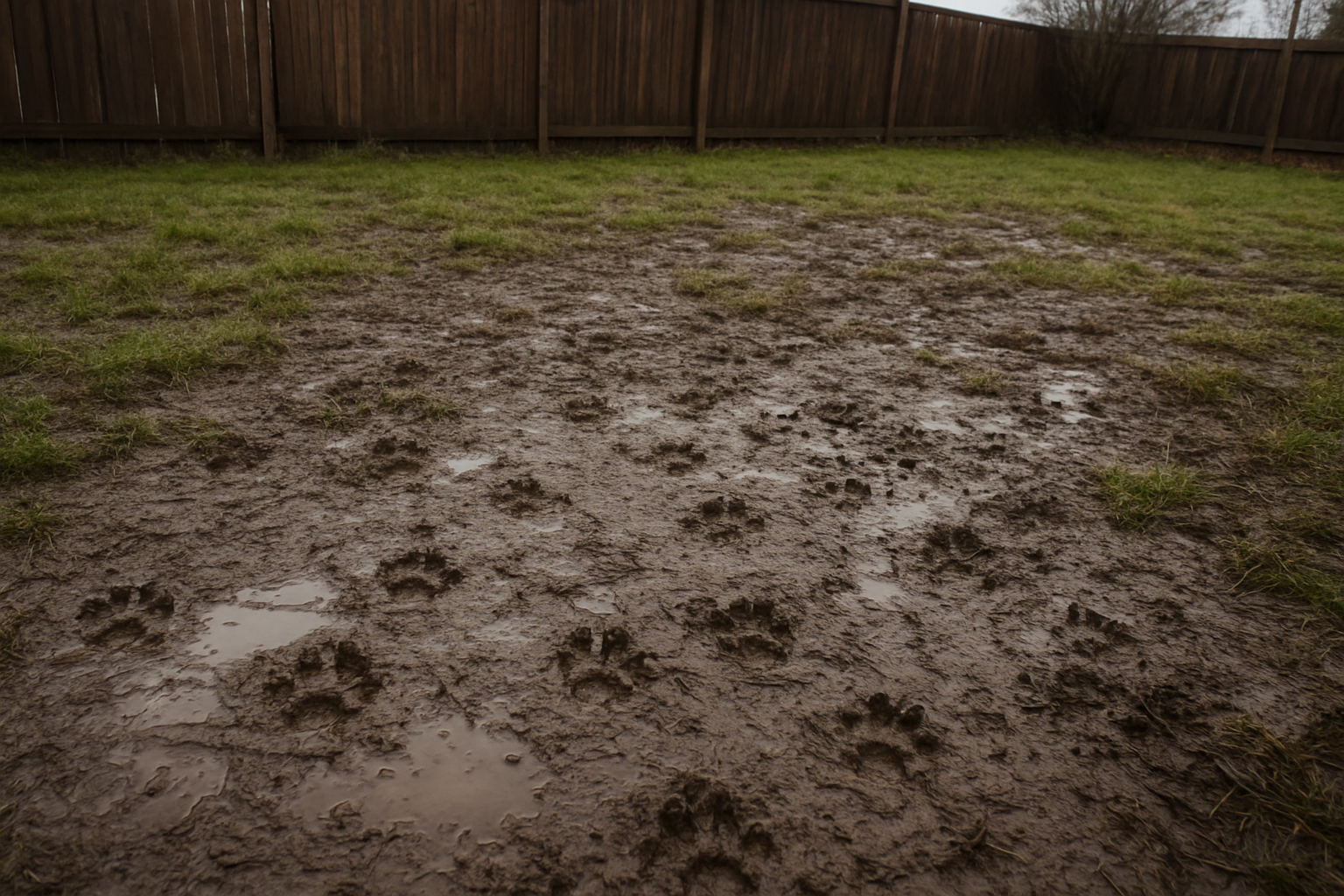
Your yard turns into a muddy disaster zone because dogs naturally create high-traffic patterns through repetitive use. When your furry friends consistently run the same routes to their favorite spots, dig in preferred areas, or play fetch in specific zones, they compact the soil and wear away protective grass cover. Poor drainage compounds this problem, causing water to pool rather than absorb into the ground. Clay-heavy soils hold moisture longer, while sandy soils may drain too quickly but lack stability under constant paw traffic.
How Weather Patterns Contribute to Muddy Conditions
Rain transforms your dog’s play areas into muddy swamps, but you’ll notice that certain weather patterns make things worse. Extended periods of light rain saturate the soil without giving it time to dry, while heavy downpours create runoff that strips away topsoil and grass. Spring thaws and winter freeze-thaw cycles break down soil structure, making your yard more susceptible to mud formation. Humid conditions slow evaporation, keeping problem areas soggy long after the rain stops. Even morning dew can maintain muddy conditions in heavily trafficked spots where grass coverage is already thin.
Why Traditional Grass Struggles in High-Traffic Dog Zones
Your lawn grass simply wasn’t designed to handle the constant pressure of active dogs. Regular foot traffic from humans is nothing compared to the concentrated impact of dogs running, playing, and doing their business in the same spots daily. Dog urine creates nitrogen burns that kill grass, leaving bare patches vulnerable to erosion. Their claws tear up roots and damage grass crowns, while digging behaviors destroy entire sections of your lawn. Most grass varieties need recovery time between heavy use, but your dogs don’t give these areas any rest, preventing natural regeneration and creating permanent bare spots.
Quick-Fix Solutions for Immediate Mud Coverage
Strategic Placement of Outdoor Rugs and Mats
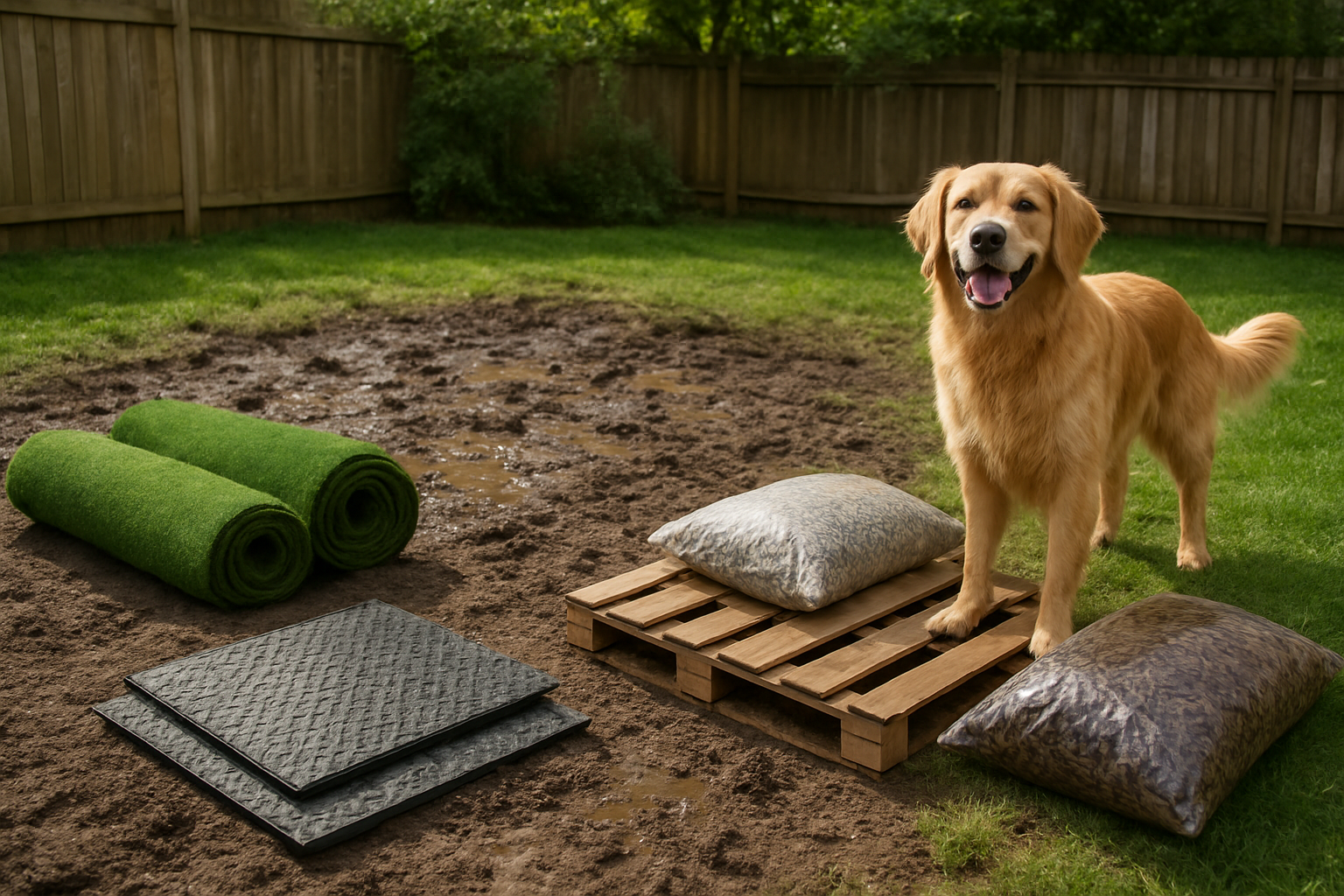
Place waterproof outdoor rugs near your door and along your dog’s favorite routes. Choose heavy-duty mats with drainage holes that won’t shift when your pup runs across them. Position them strategically where mud pools form most often, creating clean zones your dog will naturally use.
Using Mulch as Temporary Ground Cover
Spread cedar or pine mulch over muddy patches for an instant fix. Your dog’s paws will stay cleaner, and the mulch absorbs moisture while adding a pleasant scent to your yard. Avoid cocoa mulch since it’s toxic to dogs, and refresh the coverage monthly for best results.
Installing Portable Walkways and Stepping Stones
Create defined paths with interlocking deck tiles or rubber stepping stones. These portable solutions let you redirect foot traffic away from muddy areas while giving your dog stable footing. You can easily move or expand these walkways as your yard’s needs change throughout different seasons.
Creating Designated Pathways with Gravel
Lay down landscape fabric and cover with pea gravel or crushed stone to build permanent walkways. This prevents weeds while providing excellent drainage and traction for your dog. Choose rounded gravel that’s gentle on paws, and create paths at least three feet wide for comfortable movement.
Permanent Ground Cover Options That Dogs Love
Installing artificial turf for year-round cleanliness
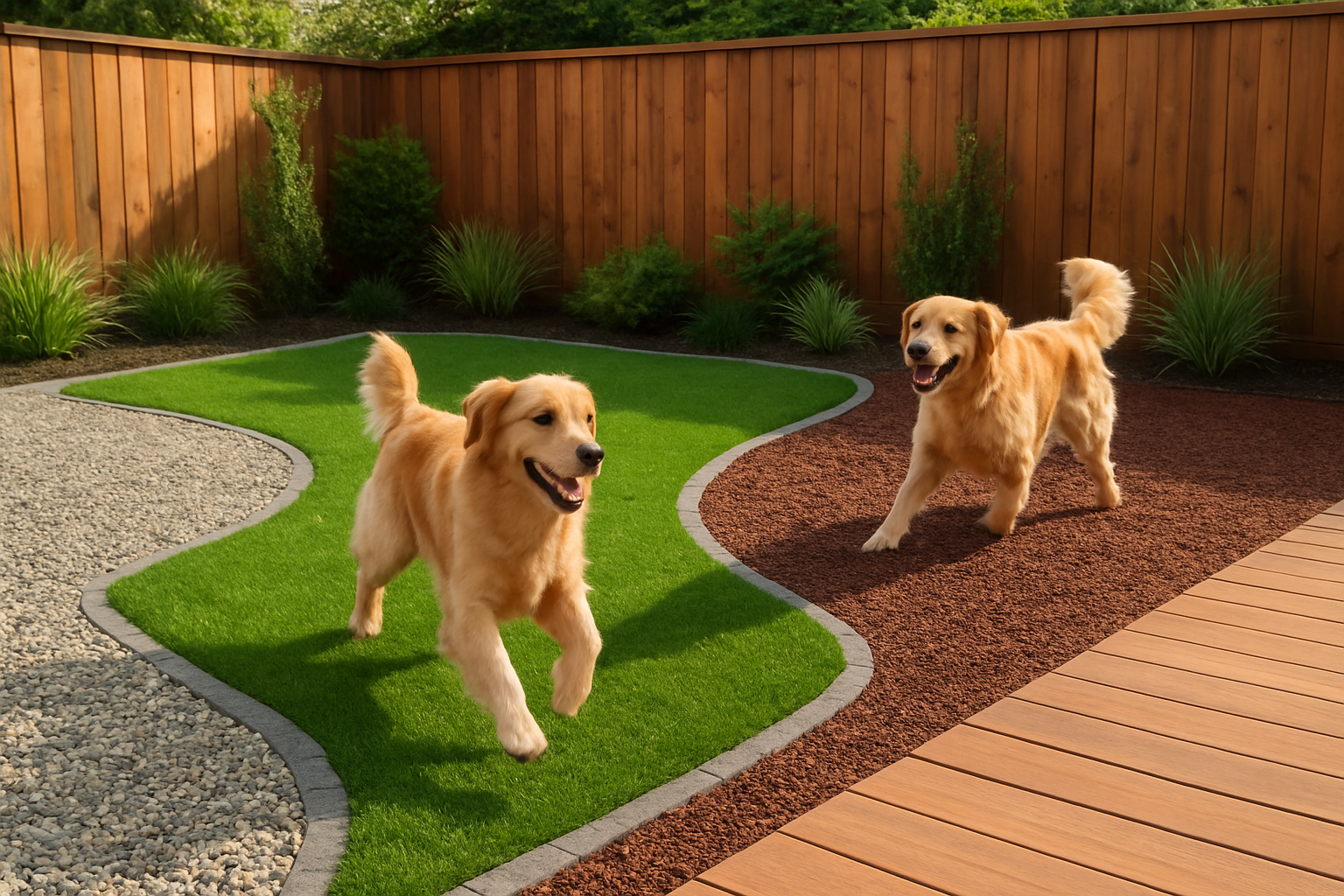
Artificial turf transforms your muddy disaster zone into a pristine play area that stays clean regardless of weather. You’ll love how your dog’s paws emerge spotless after every outdoor adventure, eliminating those dreaded muddy footprints throughout your home. Modern synthetic grass feels surprisingly natural under paws and provides excellent drainage when properly installed with a gravel base layer.
Creating gravel and stone surfaces for drainage
Gravel surfaces offer outstanding drainage while creating designated pathways and play zones your dog will actually use. Choose pea gravel or decomposed granite for comfort – these materials compact well and won’t hurt sensitive paw pads. You can create attractive patterns using different stone sizes and colors, turning functional drainage into an attractive landscape feature that complements your yard’s existing design.
Planting dog-safe ground cover plants
Ground cover plants solve mud problems naturally while adding beauty to your landscape. Creeping thyme, clover, and mondo grass create dense carpets that withstand dog traffic and prevent soil erosion. These hardy plants establish quickly in most soil conditions and actually benefit from light foot traffic, becoming thicker and more resilient over time while staying green throughout growing seasons.
Drainage Solutions to Prevent Future Mud Formation
Installing French drains in problem areas
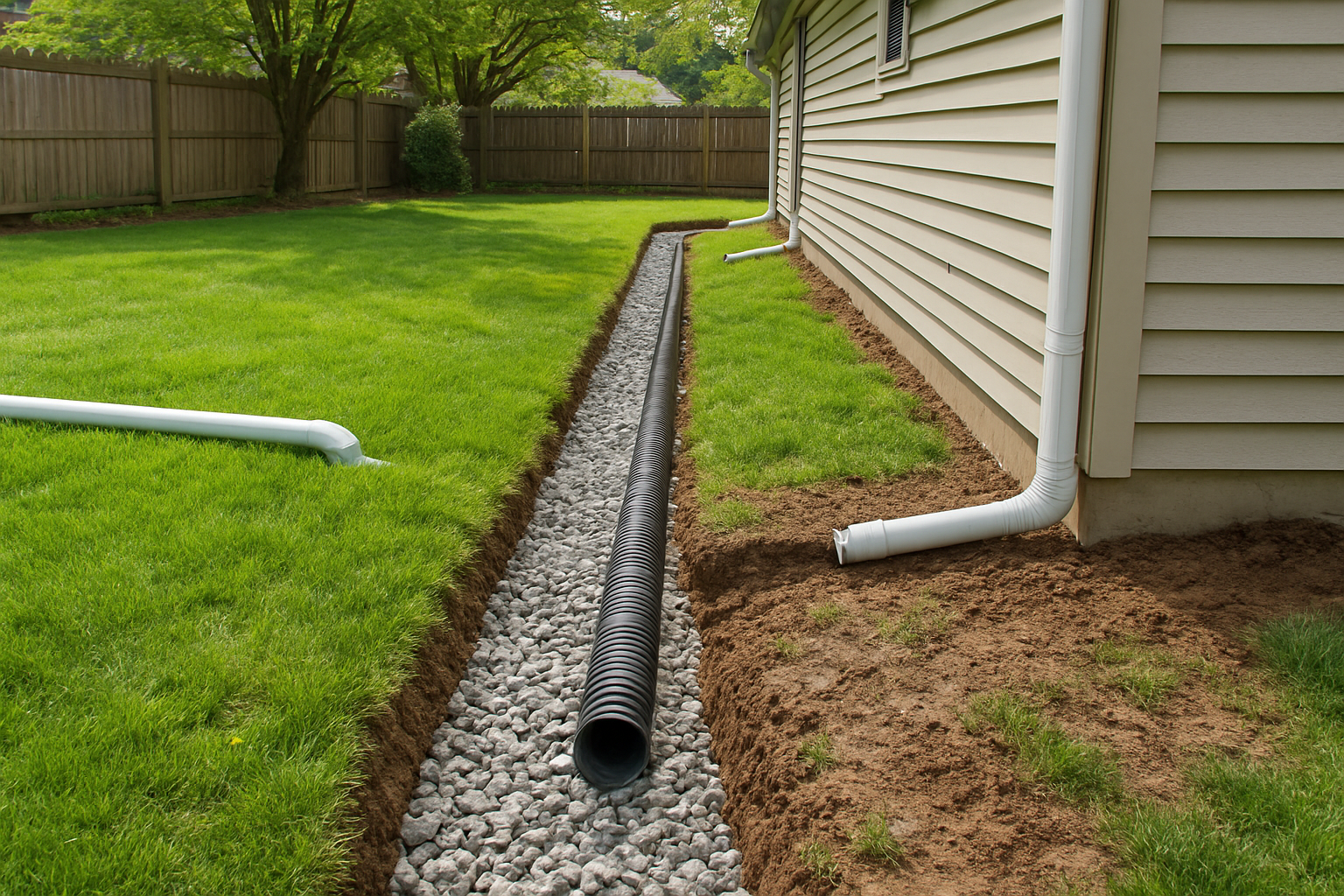
French drains work like underground highways for water, directing it away from your yard’s trouble spots. You’ll dig a trench about 18-24 inches deep, line it with landscape fabric, add gravel, and install a perforated pipe. The water flows into the pipe and gets carried to a better drainage area, keeping your dog’s favorite spots dry year-round.
Regrading your yard for proper water flow
Your yard needs the right slope to send water where it belongs – away from your house and play areas. You’ll want a gentle grade of about 2% (roughly 2 inches of drop per 100 feet). Rent a mini excavator or hire professionals to reshape problem areas. Focus on creating natural channels that guide water toward storm drains or designated drainage zones.
Adding permeable pavers for natural drainage
Permeable pavers let water soak through instead of pooling on top, making them perfect for high-traffic dog areas. You can choose from porous concrete, permeable asphalt, or interlocking pavers with gaps filled with gravel. Install them over a base of crushed stone for maximum drainage. Your dogs get a clean, stable surface while rainwater naturally filters into the ground below.
DIY Dog Run and Play Area Construction
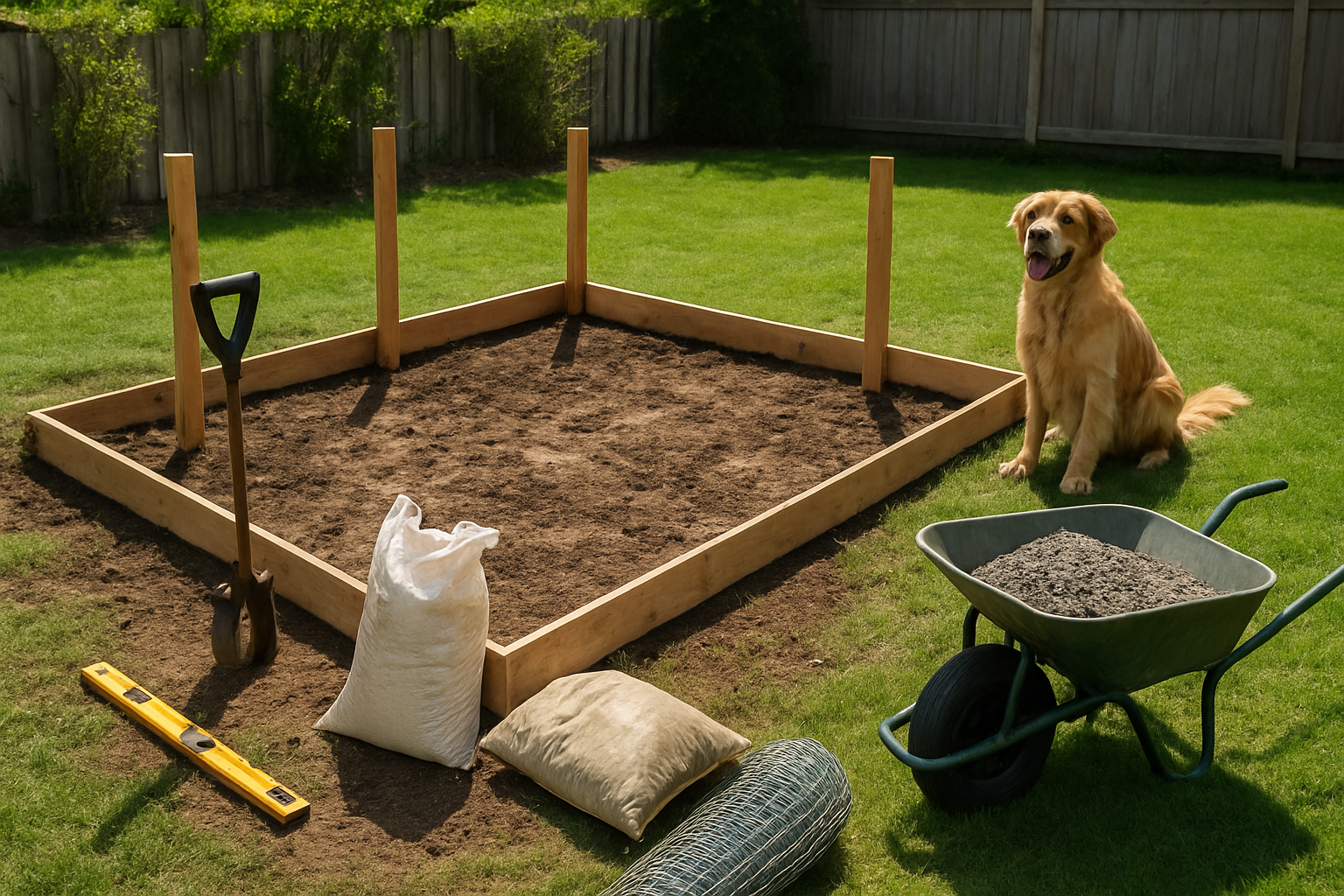
Building Raised Platform Areas with Drainage
Create elevated wooden platforms using pressure-treated lumber and hardware cloth. Install proper drainage by adding gravel beneath and drilling drainage holes every 12 inches. Your dogs will appreciate the dry surface while rainwater flows away naturally.
Creating Sandbox Zones with Proper Materials
Design dedicated dig zones using coarse sand mixed with pea gravel for excellent drainage. Border these areas with landscape timber or concrete blocks. Refresh the sand quarterly and add new material as needed to maintain your dogs’ favorite digging spots.
Designing Multi-Level Outdoor Spaces
Build terraced levels using retaining walls and different ground coverings. Upper levels work great for resting areas with artificial turf, while lower sections can feature wood chips or rubber mulch. Connect levels with gentle ramps that accommodate dogs of all sizes and mobility levels.
Maintenance Tips to Keep Your Solutions Working
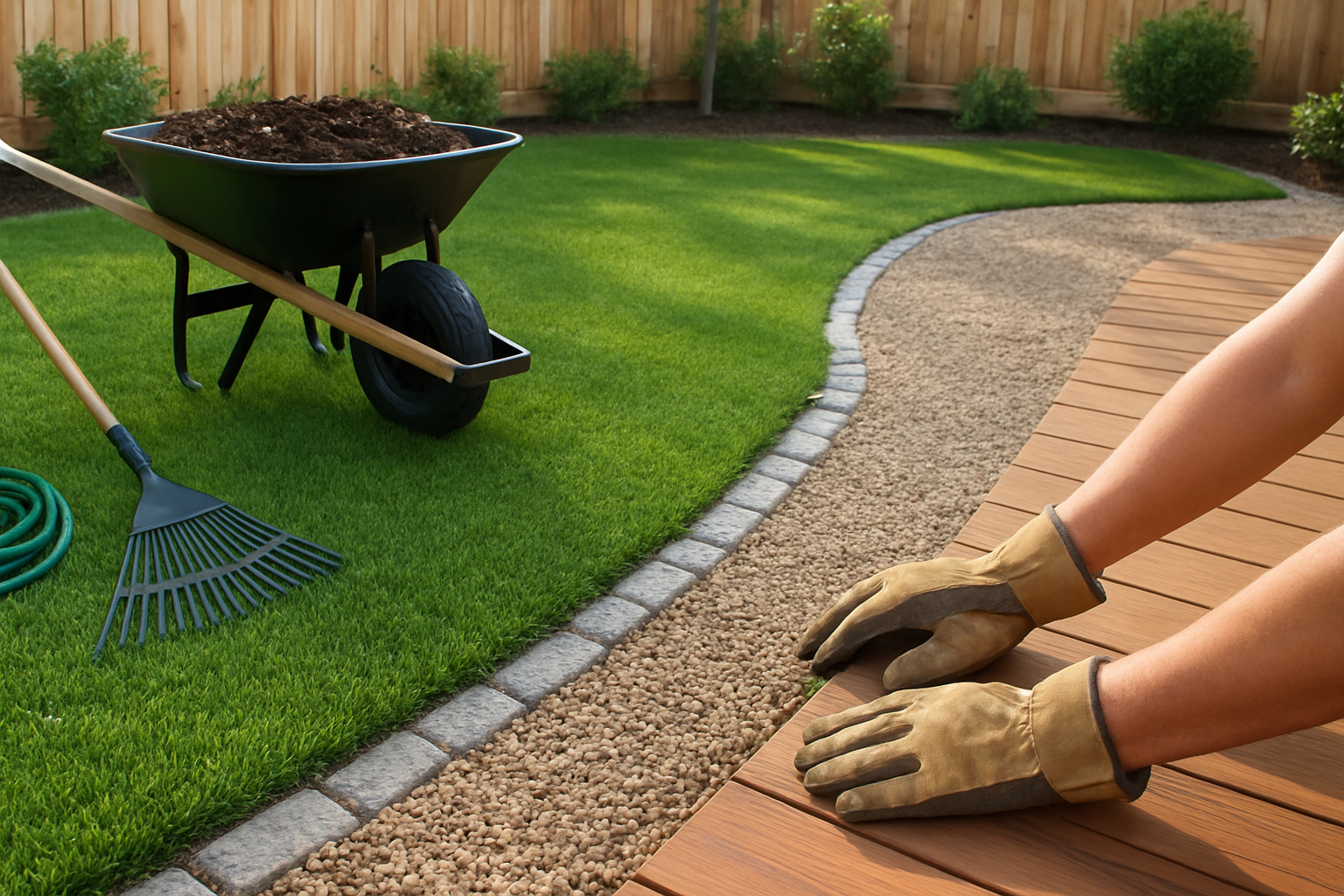
Regular cleaning schedules for different cover types
Your maintenance routine depends entirely on what ground cover you’ve chosen. Gravel and pea stones need weekly raking to redistribute materials and remove debris, while rubber mats require monthly hosing and scrubbing with mild detergent. Wood chips should be turned every two weeks to prevent compaction and mold growth. Artificial turf needs the most attention – brush it weekly to maintain texture and rinse monthly to eliminate odors.
Seasonal adjustments and replacements
Spring brings the biggest maintenance challenges as winter damage becomes visible and heavy rains test your drainage systems. Check for displaced materials and add fresh layers where needed. Summer heat can crack rubber surfaces, so inspect monthly for damage. Fall requires clearing leaves and debris that can trap moisture and create new muddy spots. Winter preparation means ensuring proper drainage before freeze-thaw cycles begin.
Monitoring drainage system effectiveness
Walk your yard after every heavy rain to identify new problem areas before they become major issues. Look for standing water, erosion patterns, and signs that your French drains or other systems aren’t keeping up. Test your drainage solutions monthly by running a sprinkler for 30 minutes – water should disappear within hours, not days. Clear debris from drain outlets and check that downspouts direct water away from dog areas.
Protecting installations from weather damage
UV rays will fade and crack most materials over time, so consider applying protective sealants annually to rubber and synthetic surfaces. Secure loose materials like gravel with edging to prevent scatter during storms. Cover or weight down lightweight options during high winds. Freeze-thaw cycles can shift and crack installations, so check alignment and stability each spring. Your investment in mud-free solutions pays off only when you protect them from Mother Nature’s wear and tear.


