
Best Indoor Dog Potties Compared (What Actually Works?)

Finding the right indoor dog potty can save your floors, your sanity, and your relationship with your neighbors. This guide is for apartment dwellers, busy professionals, senior dog owners, and anyone dealing with puppies, elderly dogs, or pets with mobility issues who need reliable indoor bathroom solutions.
Indoor dog potties have come a long way from basic pee pads scattered on your floor. Today’s options range from realistic grass systems that fool even picky dogs to high-tech self-cleaning units that handle the dirty work for you. But with dozens of products claiming to be the “best,” it’s hard to know what actually works in real homes with real dogs.
We’ll break down the key features that separate effective indoor potties from expensive disappointments, compare grass-based systems that dogs naturally gravitate toward, and review both budget-friendly options and premium self-cleaning solutions. You’ll discover which systems work best for different dog sizes, ages, and living situations so you can choose with confidence.
Why Indoor Dog Potties Are Essential for Modern Dog Owners
You Might Also Love These Ideas


Space limitations in apartments and condos
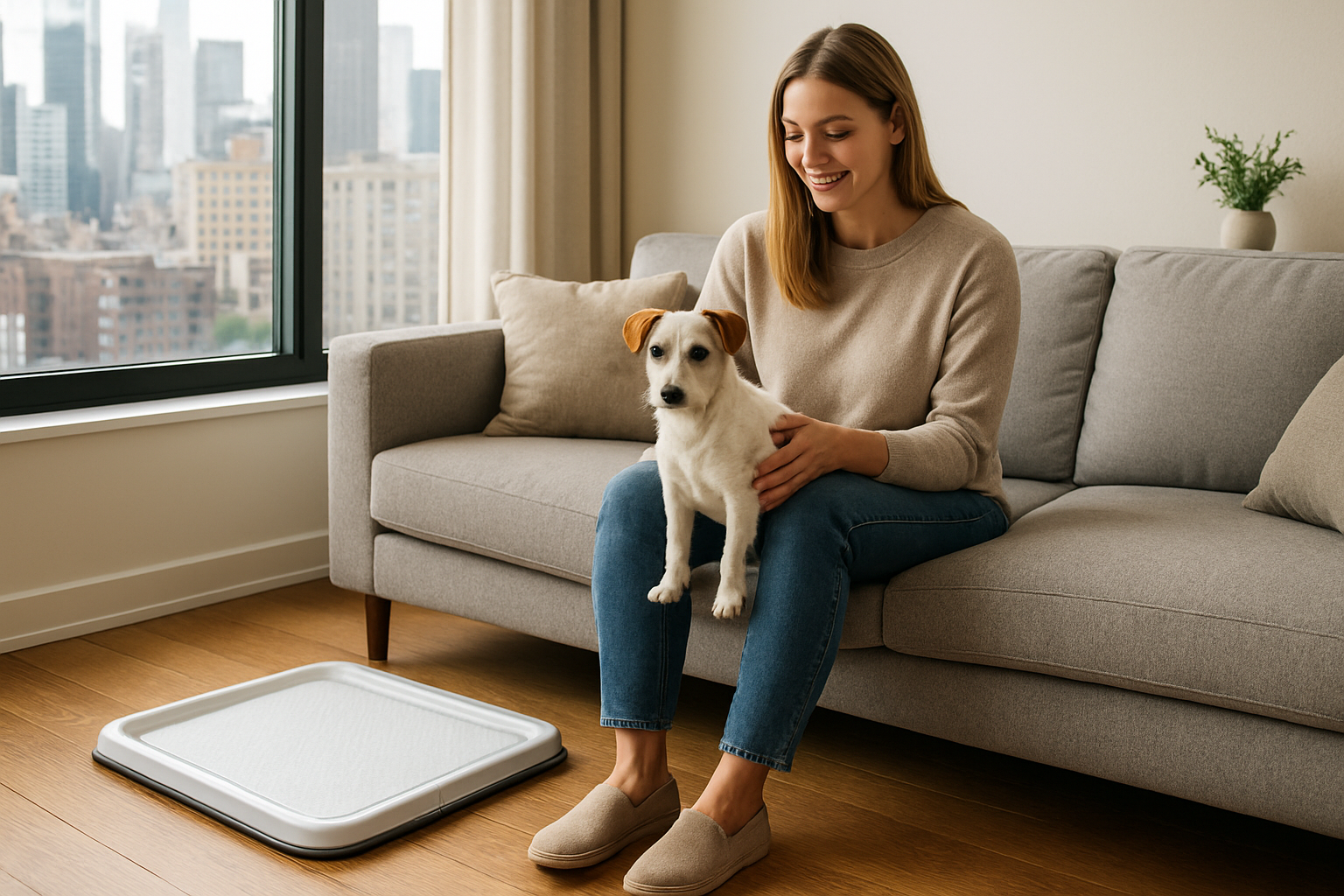
Your cramped apartment doesn’t have to limit your dog’s potty training success. When you’re living in a high-rise building or studio apartment without easy yard access, dragging your pup down multiple flights of stairs for every bathroom break becomes exhausting fast. Indoor potty systems give you the freedom to maintain consistent training schedules without the hassle of elevator waits, long hallway walks, or navigating crowded building entrances multiple times daily.
Weather-related challenges for outdoor potty breaks
Rain, snow, and extreme temperatures shouldn’t derail your dog’s bathroom routine. When storms hit or temperatures drop below freezing, your dog might refuse to go outside, leading to accidents and setbacks in house training. Indoor potties provide a reliable backup solution during harsh weather conditions, keeping both you and your pet comfortable while maintaining their regular elimination schedule. You’ll appreciate having this option during those brutal winter mornings or unexpected downpours.
Senior dogs and mobility issues
Your aging dog deserves dignity and comfort during their golden years. Senior dogs with arthritis, hip dysplasia, or other mobility challenges often struggle with stairs, long walks, or holding their bladder for extended periods. Indoor potty systems reduce physical strain on older dogs while giving them easy access to relief when they need it most. You’ll notice less stress in your senior companion when they have a nearby, accessible bathroom option available 24/7.
Puppy training acceleration benefits
Your puppy’s tiny bladder needs frequent attention, and indoor potties speed up the house training process significantly. Young dogs can’t hold their bladder for more than a few hours, making traditional outdoor-only training challenging and stressful. With indoor systems, you can establish consistent bathroom locations immediately, reducing accidents throughout your home. Your puppy learns faster when they have constant access to an appropriate elimination spot, building good habits from day one.
Key Features That Make Indoor Dog Potties Actually Work
Absorbency levels and leak-proof design
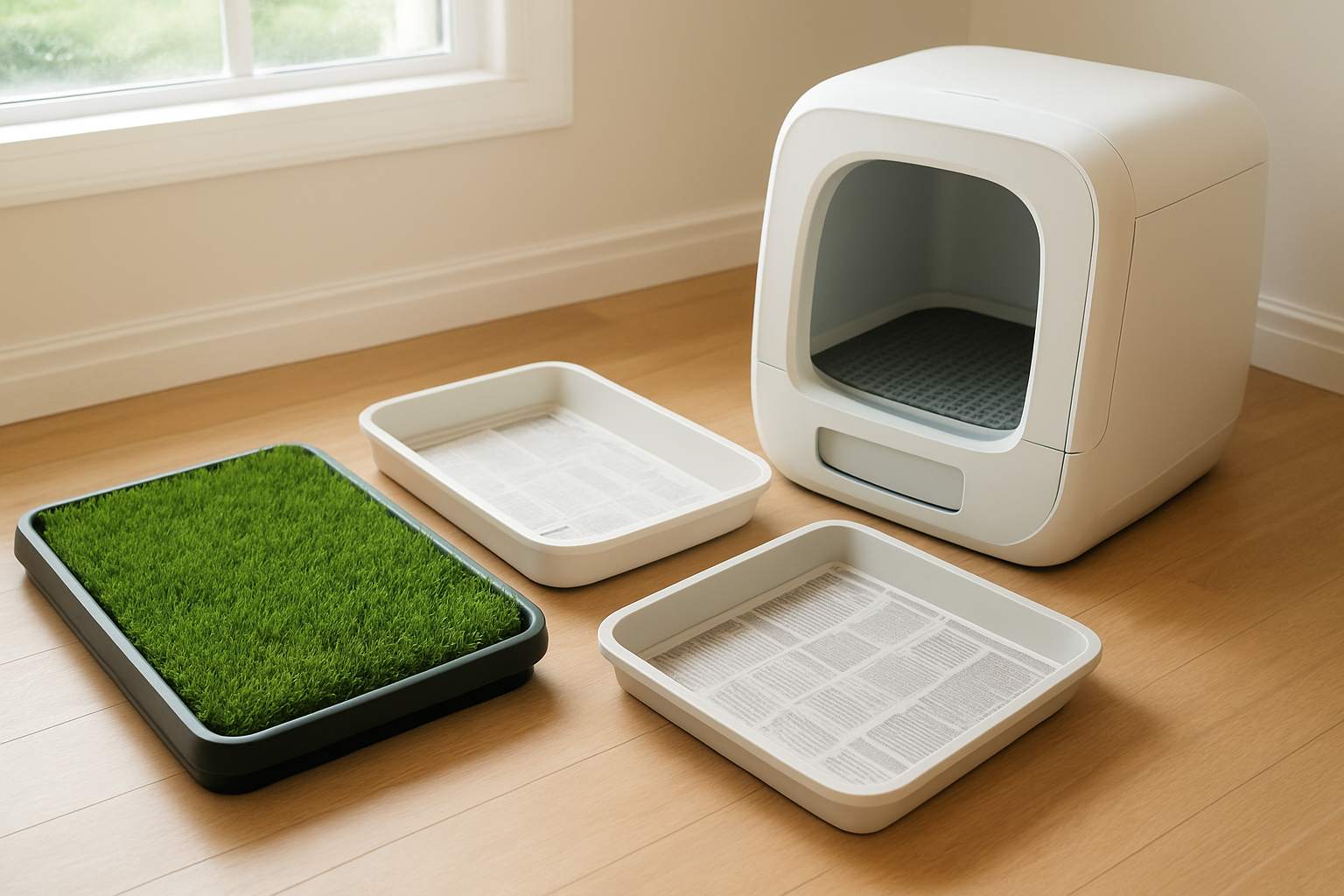
Your indoor potty needs serious absorption power to handle multiple uses without creating puddles on your floor. Look for systems with multiple absorption layers – a top layer that wicks moisture quickly, middle layers that hold liquid, and a waterproof bottom barrier. The best options absorb 2-3 cups of liquid before reaching capacity. Check for raised edges or built-in trays that contain spills, because even the most absorbent surface won’t help if liquid runs off the sides onto your hardwood or carpet.
Size considerations for different dog breeds
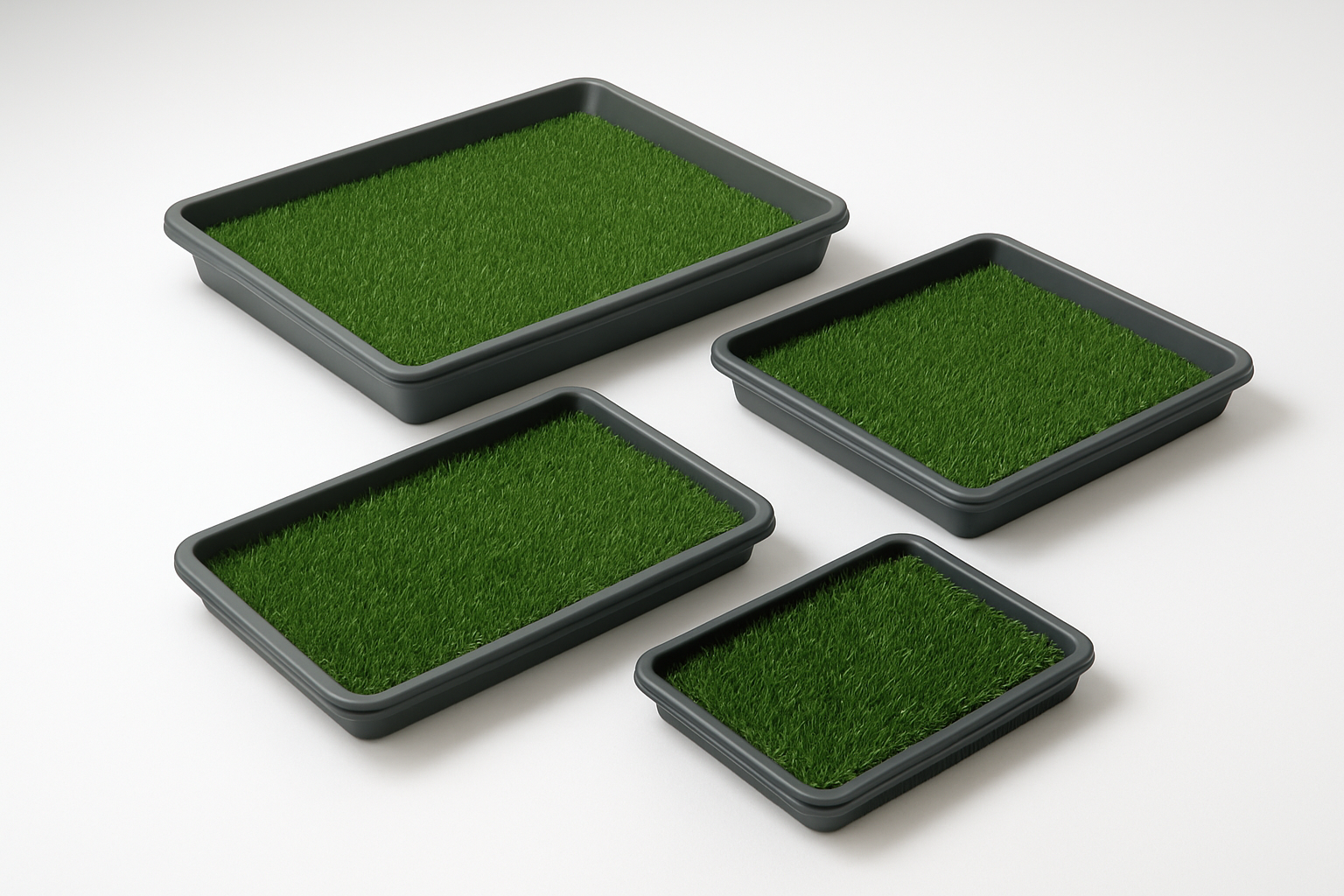
Your dog’s size directly impacts which potty dimensions will work in your space. Small breeds under 25 pounds can use compact 16×20 inch systems, while medium dogs need at least 24×36 inches for comfortable positioning. Large breeds over 60 pounds require 30×36 inches minimum – cramped quarters lead to missed targets and cleanup headaches. Measure your dog from nose to tail and add 6 inches to determine the ideal length. Don’t forget ceiling height if you’re considering covered options for shy pups.
Easy cleanup and maintenance requirements
Your daily routine shouldn’t revolve around potty maintenance, so choose systems that simplify the cleaning process. Removable trays slide out for quick rinsing, while disposable pad systems just need fresh inserts. Grass-based options require weekly deep cleaning with pet-safe disinfectants to prevent odor buildup. Some high-end models feature antimicrobial surfaces that resist bacteria growth. Whatever system you pick, it should break down into dishwasher-safe components or wipe clean with standard household cleaners in under five minutes.
Grass-Based Indoor Potty Systems Review
Real grass patches versus artificial alternatives
When you’re choosing between real and artificial grass systems, you’ll find each has distinct advantages. Real grass patches offer authentic scents and textures that appeal to your dog’s natural instincts, making training easier for picky pups. However, artificial alternatives provide consistent performance without the mess of soil or dying grass. Synthetic options stay green year-round and won’t track dirt through your home, while real grass requires regular watering and sunlight. Your choice depends on whether you prioritize authenticity or convenience.
Drainage systems and odor control effectiveness
Your success with grass-based systems heavily depends on proper drainage design. Quality units feature multi-layer drainage with collection trays that prevent urine from pooling underneath the grass. Look for systems with antimicrobial coatings and charcoal filters that actively combat odors rather than just masking them. Poor drainage leads to bacterial growth and persistent smells that’ll drive you crazy. The best systems channel liquids away quickly while allowing air circulation to keep everything fresh between cleanings.
Replacement costs and maintenance schedules
Budget for ongoing expenses beyond your initial purchase. Real grass patches typically need replacement every 2-3 weeks, costing $15-30 per refill depending on size. You’ll spend about $200-400 annually on fresh grass alone. Artificial systems require less frequent replacements but need thorough cleaning weekly with enzymatic cleaners. Plan to replace synthetic grass every 6-12 months as it wears down from use and cleaning. Factor in cleaning supplies, replacement parts, and your time when calculating true ownership costs.
Best brands for long-term durability
DoggieLawn leads the real grass market with thick, pesticide-free sod that lasts longer than competitors. Their subscription service ensures fresh patches arrive before your current one dies. For artificial options, PetLoo offers superior drainage engineering and replacement grass that withstands heavy use. Fresh Patch provides reliable real grass delivery with flexible scheduling, while Bark Potty combines durability with eco-friendly materials. Choose brands that offer warranties and responsive customer service since you’ll likely need support during your first few months of use.
Pee Pad Holders and Training Systems Comparison
Elevated versus ground-level designs
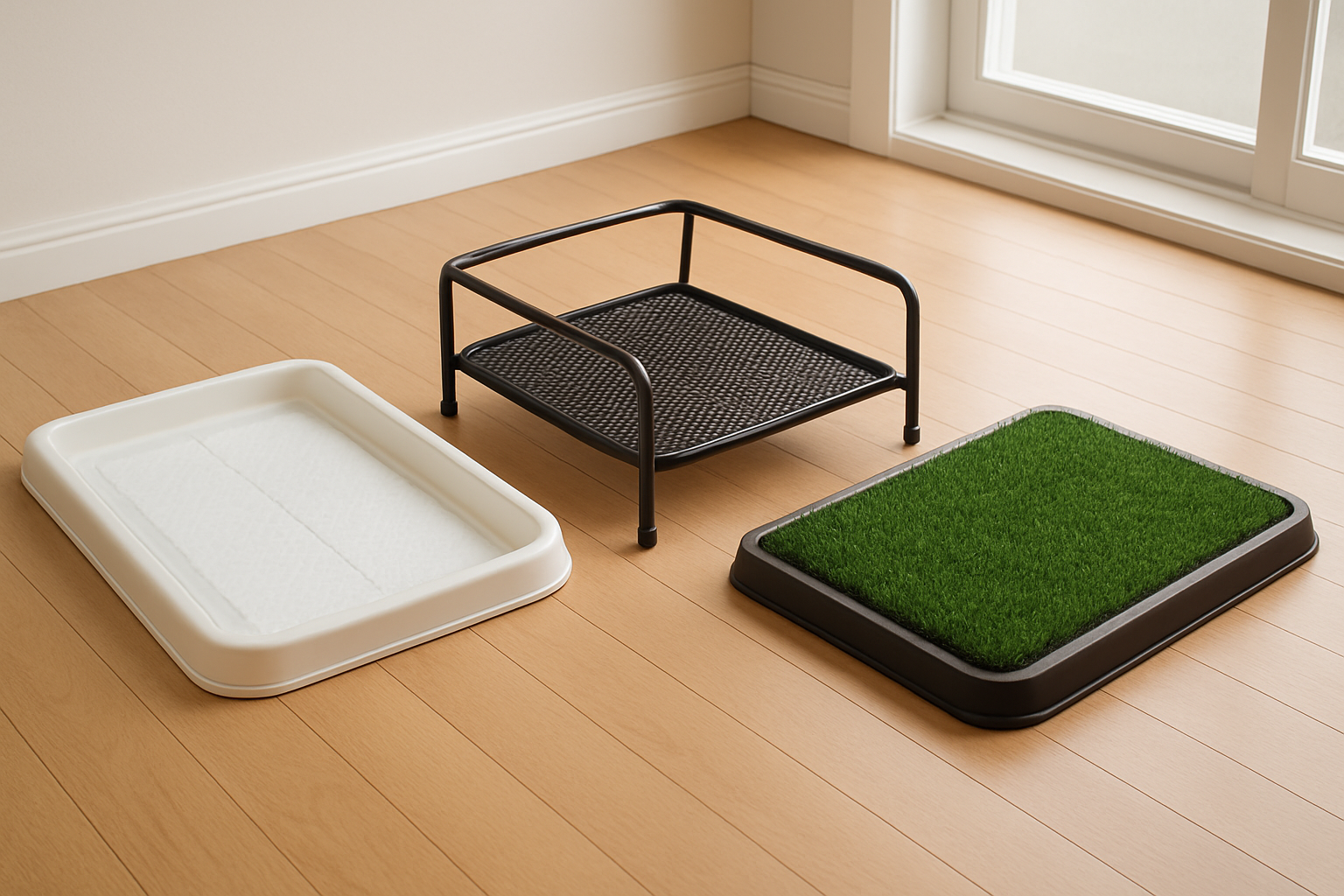
You’ll find elevated pee pad holders offer better drainage and airflow, keeping your floors cleaner and reducing odors. Ground-level systems work better for senior dogs or puppies who struggle with height, but you’ll deal with more mess. Your choice depends on your dog’s mobility and your cleaning preferences.
Attractant sprays and training aids included
Most quality pee pad systems come with training sprays that encourage your dog to use the designated spot. You’ll get faster results with these attractants, especially during the initial training phase. Some systems include multiple spray bottles, giving you better value and ensuring consistent training success throughout the process.
Multi-dog household compatibility
Your multi-dog home needs a larger system or multiple units to handle increased usage. You’ll want holders with quick-change mechanisms since multiple dogs mean more frequent pad changes. Consider systems with barriers between sections if your dogs are territorial, or opt for separate units to prevent conflicts and maintain hygiene standards.
Self-Cleaning and High-Tech Indoor Potty Solutions
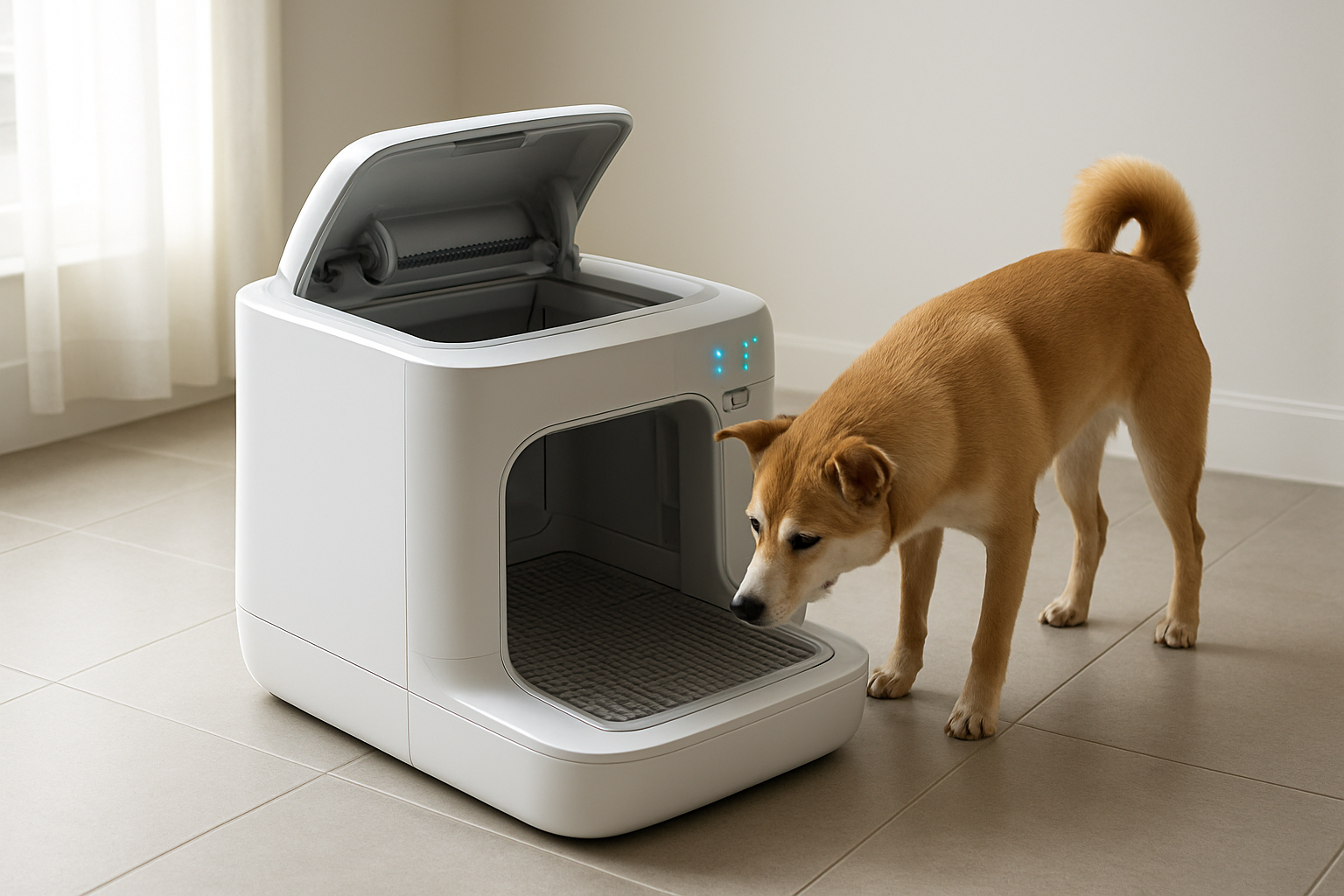
Automatic Waste Disposal Mechanisms
You’ll find two main types of automatic disposal systems in high-tech indoor potties. Self-flushing models use water jets to rinse waste into a drainage system, while conveyor belt systems move solid waste to sealed collection bags. The flushing models work best for liquid waste but struggle with solid waste removal. Conveyor systems handle both types effectively but require more frequent bag changes. Your choice depends on whether you prioritize thorough cleaning or hassle-free maintenance.
Smart Features and App Connectivity
Your smart indoor potty can send alerts to your phone when your dog uses it, track usage patterns, and even monitor your pet’s health through waste analysis. Some models include cameras for remote monitoring and automatic cleaning cycles you can control from anywhere. The apps typically show usage statistics, maintenance reminders, and health insights based on frequency and timing of bathroom breaks. You can set custom cleaning schedules and receive notifications when waste containers need emptying.
Cost-Effectiveness Versus Convenience Trade-offs
You’re looking at $300-$1,500 for high-tech indoor potties compared to $30-$100 for basic alternatives. The convenience factor is huge – no more daily pad changes or grass replacement – but you’ll pay ongoing costs for specialized cleaning solutions, replacement bags, and potential repair services. Your time savings might justify the expense if you work long hours or travel frequently. Calculate whether the monthly operating costs plus the initial investment make sense for your lifestyle and budget.
Reliability and Maintenance Requirements
You need to clean sensors and moving parts weekly to keep automatic systems working properly. Water-based systems require plumbing connections and regular descaling, while mechanical models need lubrication and belt adjustments. Most units come with one-year warranties, but replacement parts can be expensive and hard to find. Your backup plan should include manual cleaning options since electronic components can fail unexpectedly. Regular maintenance prevents costly breakdowns, but you’ll spend 15-30 minutes weekly on upkeep tasks.


