
How To Calm An Overexcited Dog Fast (2-Minute Calming Tricks)

Your dog is bouncing off the walls, panting heavily, and won’t settle down no matter what you try. You need how to calm an overexcited dog fast solutions that actually work in real-time situations.
This guide is for dog parents dealing with hyperactive pups during thunderstorms, when guests arrive, after playtime, or any moment your furry friend gets overstimulated and needs immediate help settling down.
You’ll discover 2-minute calming tricks that work on the spot, including breathing techniques that tap into your dog’s natural relaxation response and instant physical methods like pressure point touches that help anxious dogs decompress quickly. We’ll also cover mental reset strategies you can use anywhere, plus emergency tools to keep handy for those moments when your dog’s excitement levels spike unexpectedly.
Recognize Signs of an Overexcited Dog
You Might Also Love These Ideas


Physical Symptoms That Indicate Hyperactivity
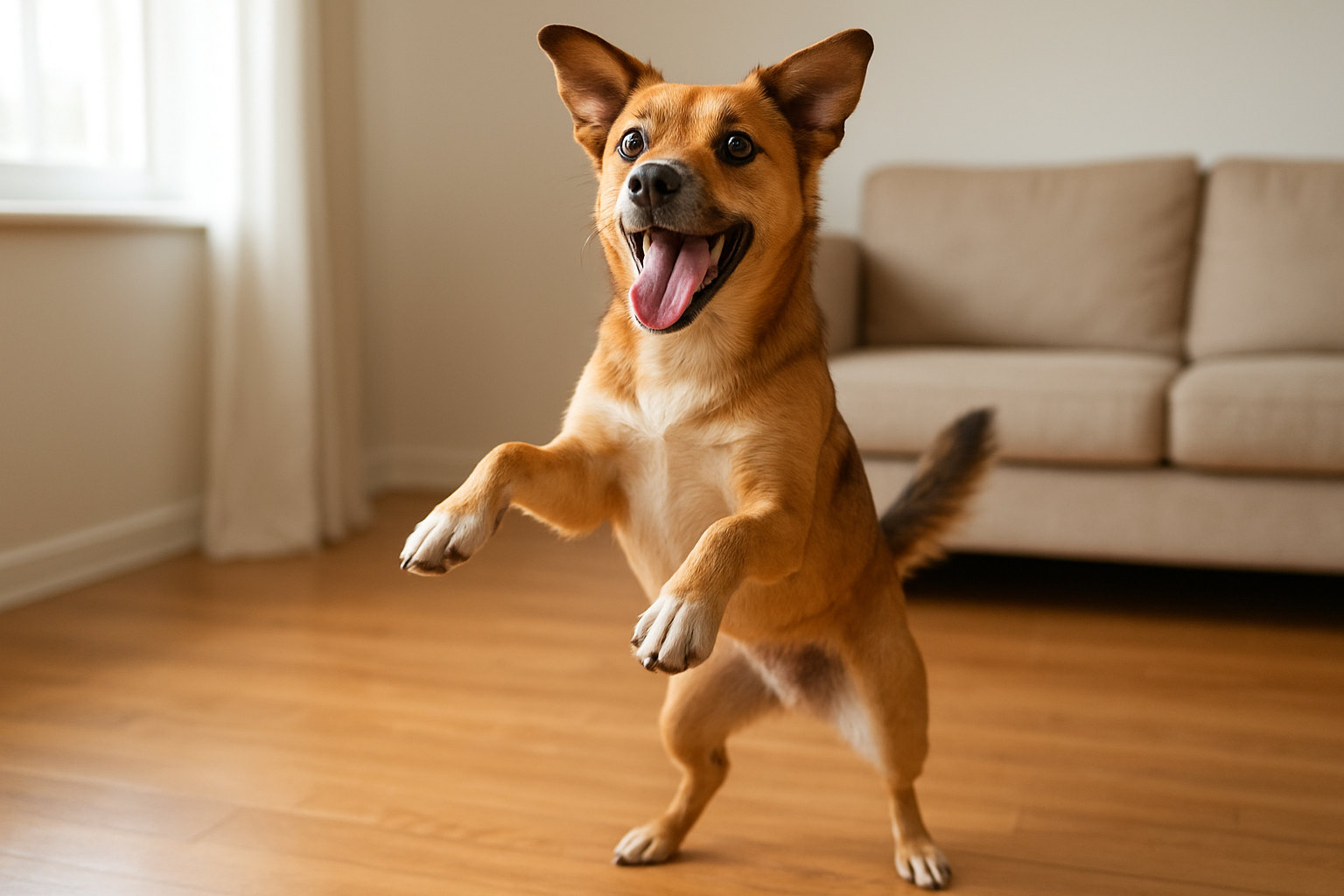
Your dog’s body language speaks volumes when they’re overexcited. Watch for rapid panting even when it’s not hot, excessive drooling, and a stiff, tense posture. Their pupils may dilate, and you’ll notice trembling or shaking in their legs. Racing heart rate, hot ears, and restless pacing are clear red flags that your pup needs immediate calming intervention.
Behavioral Patterns of Overstimulated Dogs
Overexcited dogs display distinctive behaviors that are hard to miss. Your dog might jump excessively on you or guests, bark non-stop, or spin in circles. They’ll ignore commands they normally follow and may become destructive, chewing furniture or digging frantically. You’ll also see them unable to settle down, constantly seeking attention, or engaging in repetitive behaviors like tail chasing or obsessive licking.
Environmental Triggers That Cause Excitement
Certain situations send your dog into overdrive mode. Doorbell rings, visitors arriving, or seeing other dogs during walks are common culprits. Car rides, mealtime preparations, and grabbing their leash can trigger intense excitement. Loud noises like thunderstorms, fireworks, or even vacuum cleaners often overstimulate sensitive dogs. New environments, crowded spaces, and changes in your routine can also push your furry friend over the edge into hyperactivity.
Quick Breathing Techniques to Reduce Dog Anxiety
Deep breathing exercises for immediate calm
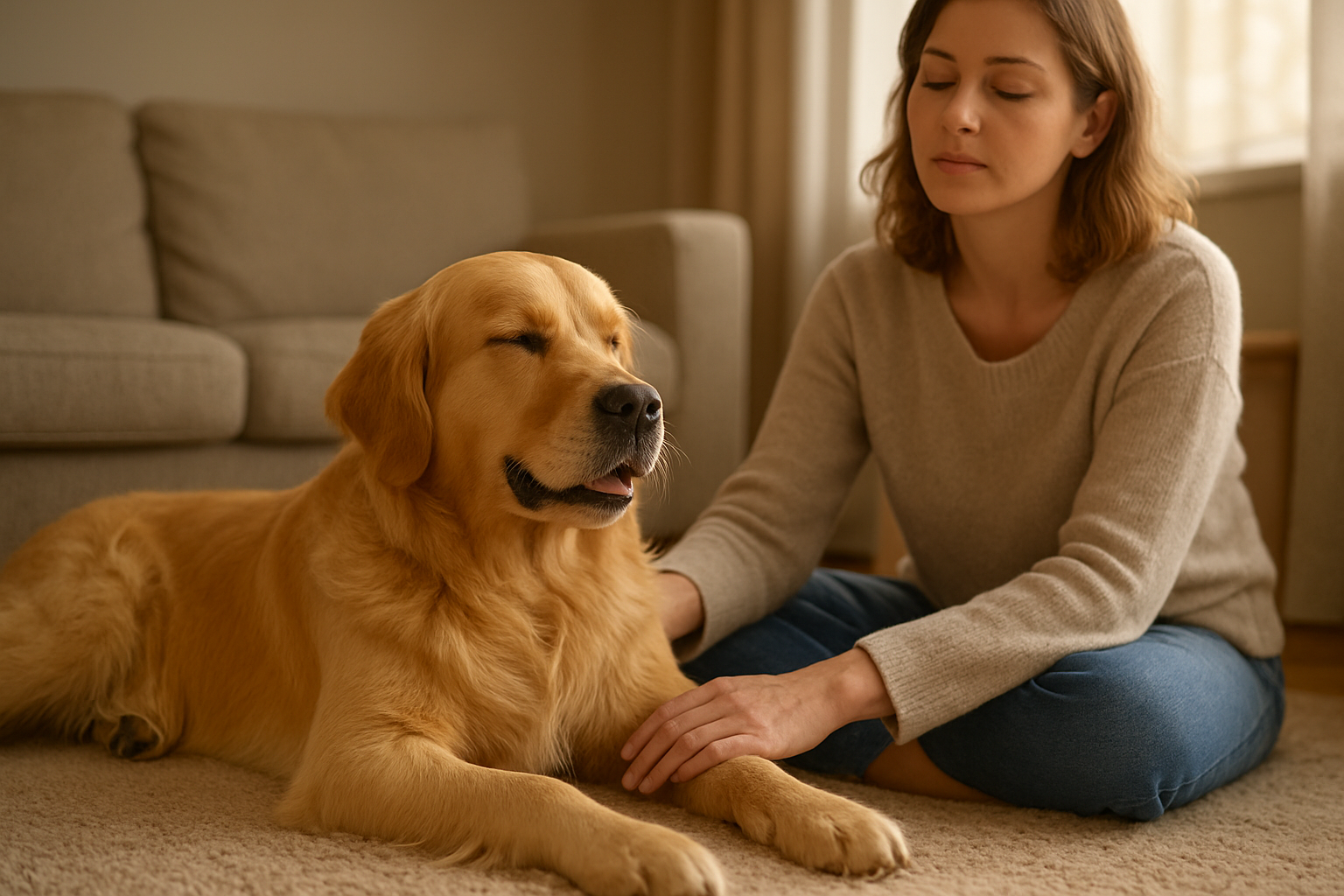
Start by modeling slow, deep breaths yourself – dogs naturally mirror their owner’s energy. Take a deep breath in for four counts, hold for two, then exhale slowly for six counts. Your dog will notice your calm demeanor and begin to relax alongside you. This technique works because dogs are incredibly attuned to your emotional state and breathing patterns.
Controlled exhale method for stress relief
Focus on extending your exhale longer than your inhale – this activates your dog’s parasympathetic nervous system. Breathe in normally for three counts, then exhale slowly through slightly pursed lips for six counts. Keep your shoulders relaxed and maintain eye contact with your dog. This method signals safety and helps lower your dog’s cortisol levels within minutes.
Synchronized breathing between owner and dog
Place your hand gently on your dog’s chest or side and match their natural breathing rhythm first. Once synchronized, gradually slow your breathing down, allowing your dog to follow your lead. This creates a powerful bonding moment while naturally reducing anxiety. Your calm, rhythmic breathing becomes a anchor point that helps ground your overexcited dog back to a peaceful state.
Instant Physical Calming Methods
Pressure Point Massage for Relaxation
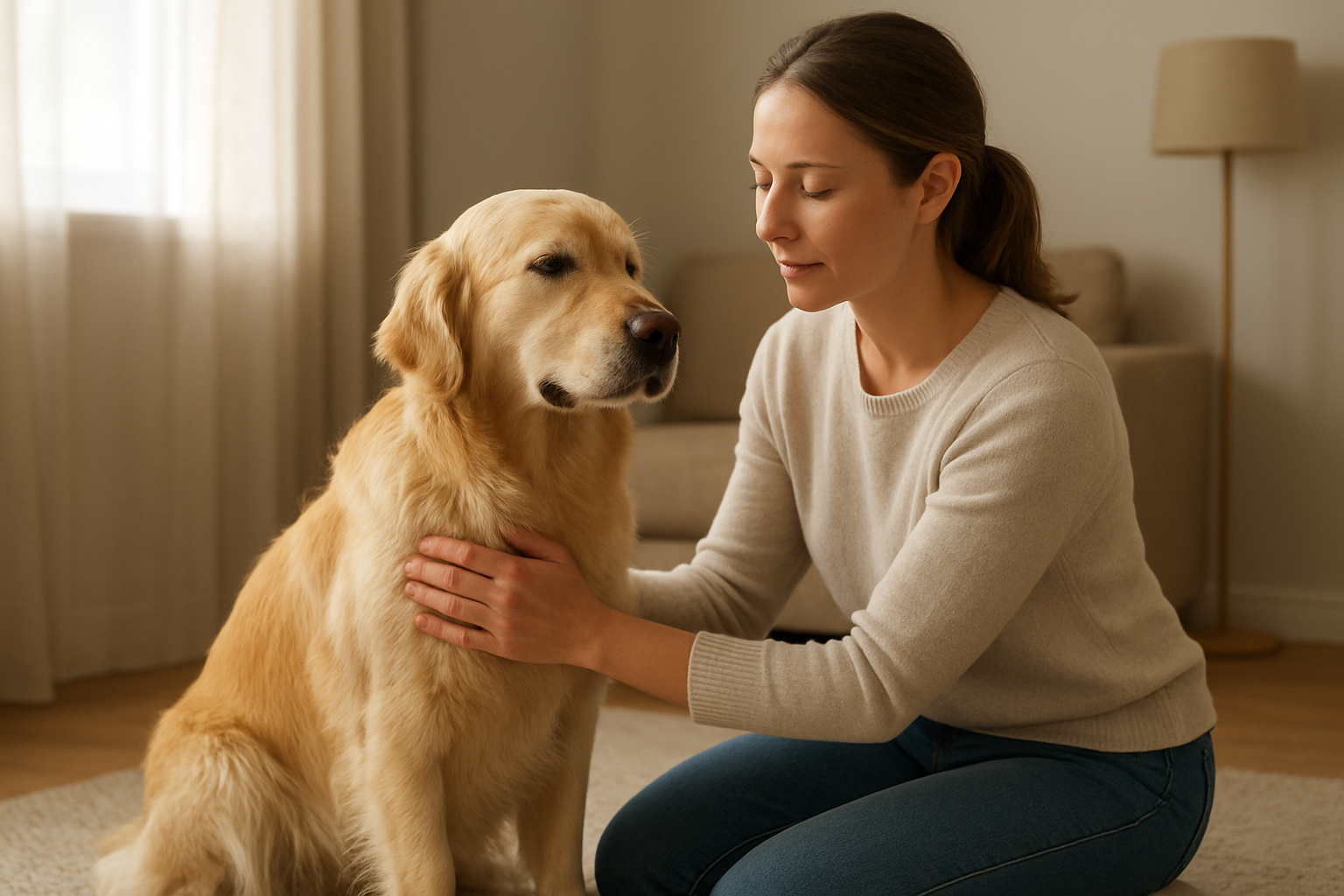
Apply gentle pressure to your dog’s ear base using your thumb and index finger, making small circular motions for 30 seconds. This triggers natural relaxation responses. Focus on the soft spot between their eyes, pressing lightly while speaking in calm tones. Your dog’s shoulders also respond well to gentle massage – use both hands to knead the muscles just behind their neck area.
Gentle Restraint Techniques That Soothe
Wrap your arms around your dog’s chest from behind, creating a secure “hug” position that mimics pack comfort. Keep your touch firm but not restrictive, allowing them to breathe easily. Place one hand on their chest and the other on their back, maintaining steady contact. This technique works best when you’re sitting on the floor with your dog between your legs.
Temperature Therapy for Quick Relief
Cool compresses work wonders for overheated, anxious dogs. Place a damp, cool towel on their paws or belly for instant relief. During winter months, try a warm (not hot) rice sock placed on their back or neck area. Your dog’s paw pads are especially sensitive to temperature changes – gently hold a cool pack against them for 15-20 seconds while offering treats.
Strategic Positioning to Minimize Stimulation
Move your dog to a quiet corner or their designated safe space, away from windows and high-traffic areas. Position them facing away from the excitement source, whether that’s the front door or other animals. Create a barrier using your body – stand between your dog and whatever’s causing their overexcitement. Guide them to lie down on their side, which naturally promotes relaxation and makes it harder for them to maintain high energy levels.
2-Minute Mental Reset Strategies
Redirect attention with focused commands
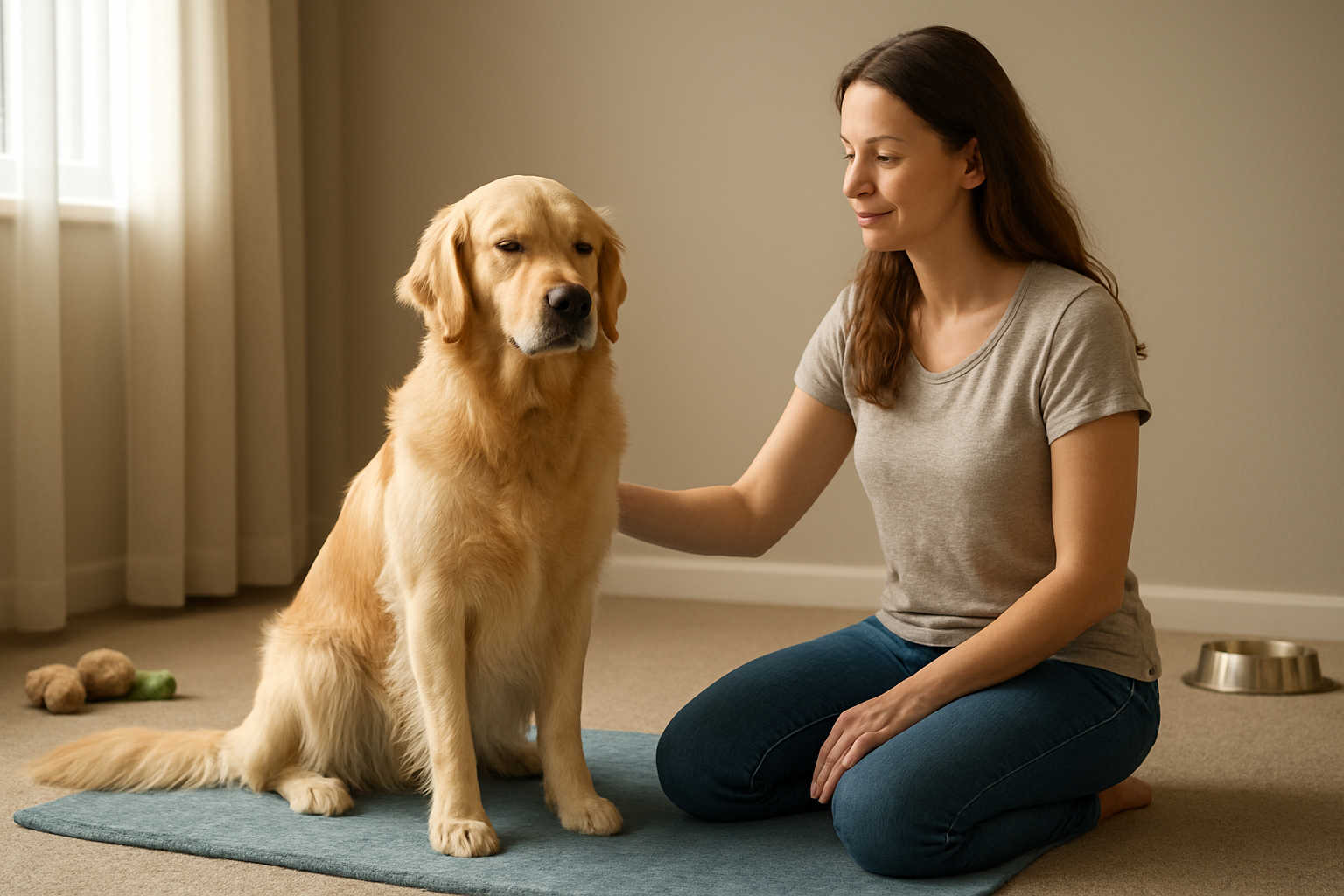
Snap your dog out of overexcitement by using sharp, clear commands they already know. Say “sit” or “stay” with authority and wait for compliance before rewarding. This mental shift forces them to focus on you instead of whatever triggered their hyperactivity. Practice these commands daily when your dog is calm so they respond automatically during chaotic moments.
Create mental exhaustion through brain games
Challenge your overexcited dog with quick puzzle games that drain mental energy faster than physical exercise. Hide treats under cups and let them figure out which one contains the reward, or scatter kibble across the floor for a sniffing game. These activities redirect their energy into problem-solving mode, naturally calming their excited state within minutes.
Use scent therapy for instant relaxation
Lavender and chamomile scents work wonders for anxious, overexcited dogs. Keep a spray bottle with diluted lavender essential oil handy and mist it on their bedding or in the air around them. You can also rub a small amount of coconut oil mixed with calming scents on your hands and let them smell it while you speak in soothing tones.
Emergency Tools and Items for Fast Results
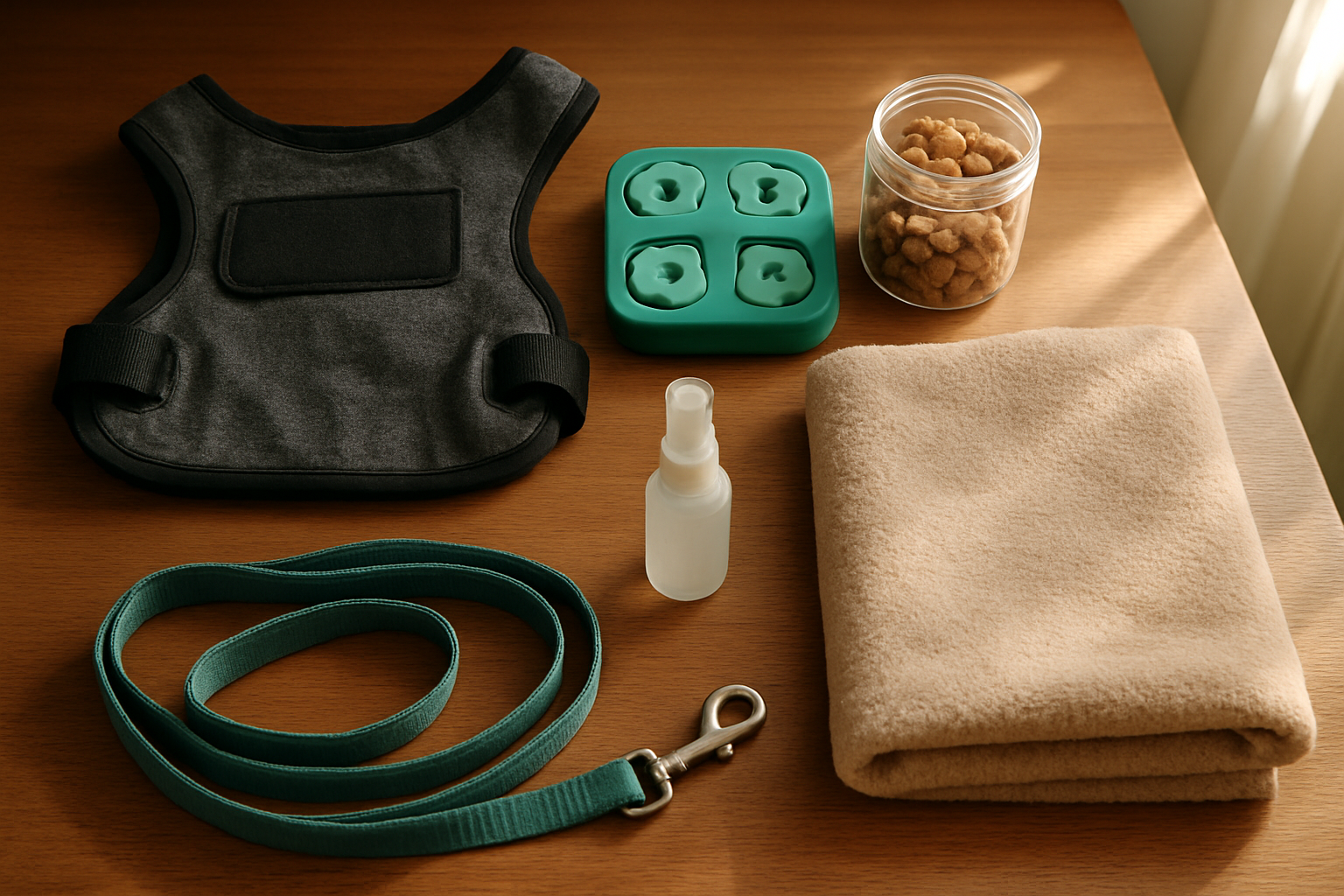
Essential calming aids every owner should have
Keep a thunder shirt or anxiety wrap in your emergency kit—these provide gentle, constant pressure that mimics swaddling and calms most dogs within minutes. Stock up on calming pheromone sprays that mimic mother dog scents, portable calming treats with L-theanine or melatonin, and a favorite comfort toy. You’ll also want noise-canceling headphones designed for dogs and a cozy blanket that smells like you.
Household items that work as calming tools
Your kitchen towel becomes an instant anxiety wrap when wrapped snugly around your dog’s torso. Use a regular blanket to create a den-like space under a table or couch. Essential oils like lavender (diluted and dog-safe) work wonders when diffused nearby. Even your own worn t-shirt can provide comfort through familiar scent. Ice cubes give anxious dogs something to focus on while cooling them down.
Natural remedies for immediate anxiety relief
Chamomile tea (cooled) can be added to your dog’s water bowl for mild sedative effects. Valerian root treats work faster than most commercial options—keep them handy for emergencies. CBD oil designed for pets provides quick relief when administered under the tongue. Bach Rescue Remedy drops calm nerves within 10-15 minutes. Frozen Kong toys stuffed with peanut butter redirect energy while releasing calming endorphins through chewing.
Technology solutions for overexcited dogs
Download calming music apps specifically designed for dogs—classical music and reggae work best according to studies. White noise machines or apps mask trigger sounds that cause excitement spikes. Puzzle-dispensing treat cameras let you redirect attention remotely when you’re not home. Smart collars with vibration settings provide gentle correction without shock. LED light therapy devices offer drug-free anxiety relief through specific color wavelengths that promote relaxation.
Prevention Techniques to Stop Overexcitement Before It Starts
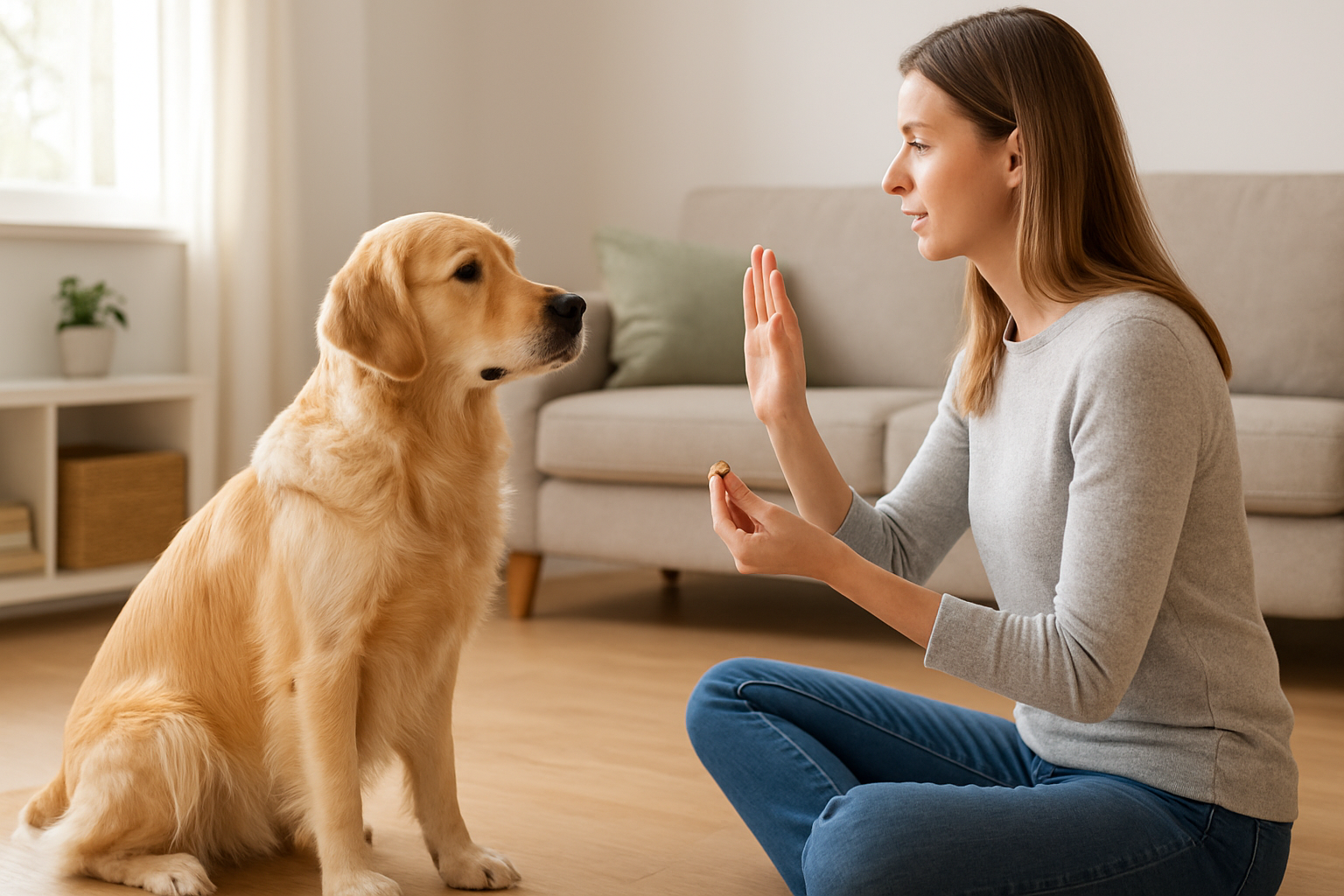
Daily routine adjustments that maintain calm
Structure your dog’s day with consistent meal times, walks, and play sessions. Dogs thrive on predictability, so stick to the same schedule seven days a week. Feed your pup at identical times daily and create quiet periods before meals to prevent excitement-driven gulping. Build in mandatory rest periods between high-energy activities, giving your dog’s nervous system time to reset naturally.
Exercise timing strategies for balanced energy
Time your dog’s most intense exercise sessions for early morning or late afternoon when temperatures are cooler and your dog’s energy peaks naturally. Avoid vigorous activities right before exciting events like visitors arriving or dinnertime. Space out exercise throughout the day rather than cramming it all into one exhausting session. This prevents energy spikes that lead to overexcitement later.
Environmental modifications for peaceful spaces
Create designated calm zones in your home using soft lighting, comfortable bedding, and minimal noise. Remove triggers that cause excitement like squeaky toys from common areas during rest times. Use baby gates to control your dog’s access to high-stimulation areas like front windows where they might see passing dogs or delivery trucks. Consider white noise machines or calming music to mask external sounds that trigger overexcitement episodes.
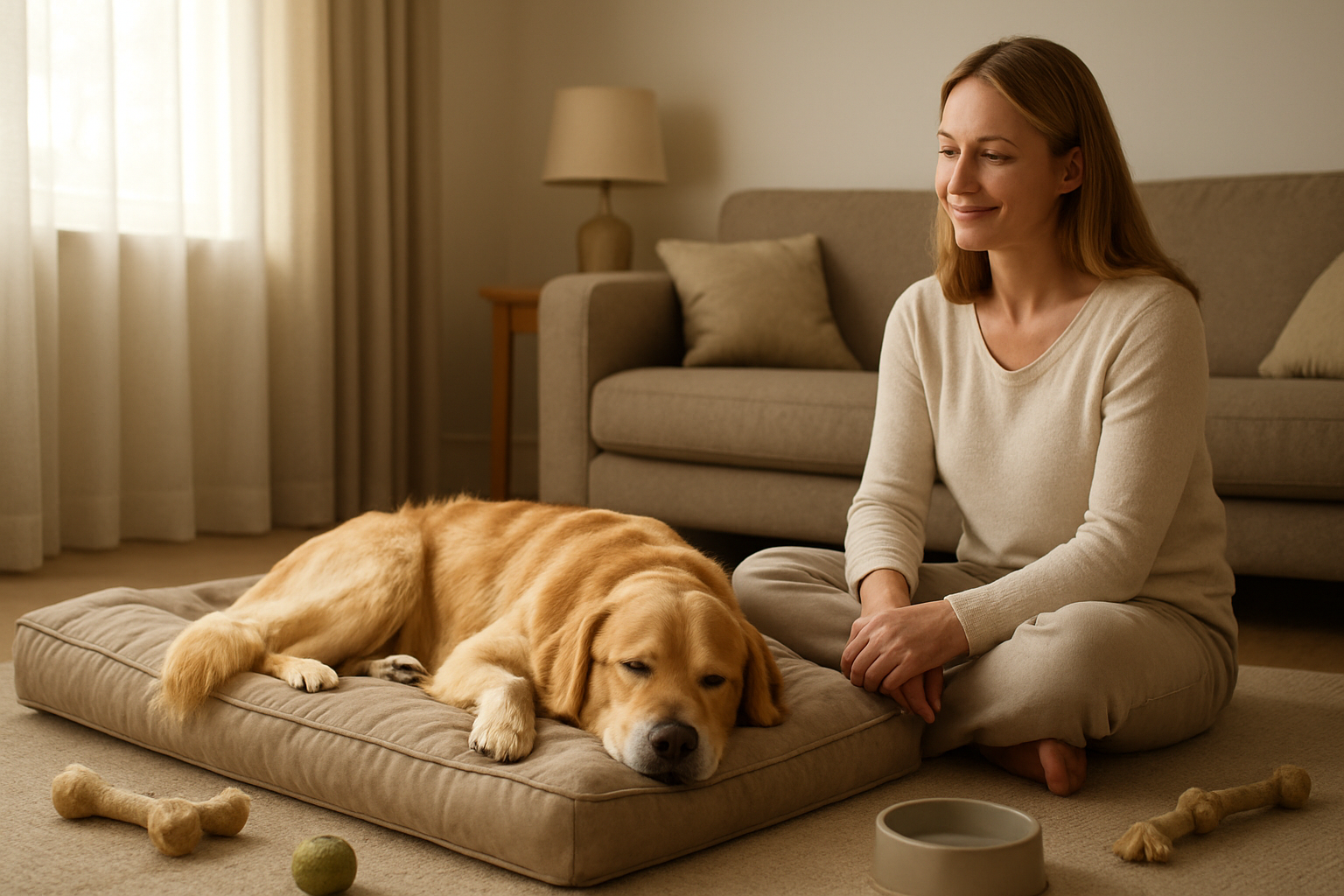
When your dog gets overexcited, you now have a complete toolkit to bring them back to a calm state quickly. The breathing techniques, physical calming methods, and mental reset strategies we’ve covered can work wonders in just a couple of minutes. Keep those emergency tools handy – like treats, toys, or calming sprays – because
How To Calm An Overexcited Dog Fast (2-Minute Calming Tricks)
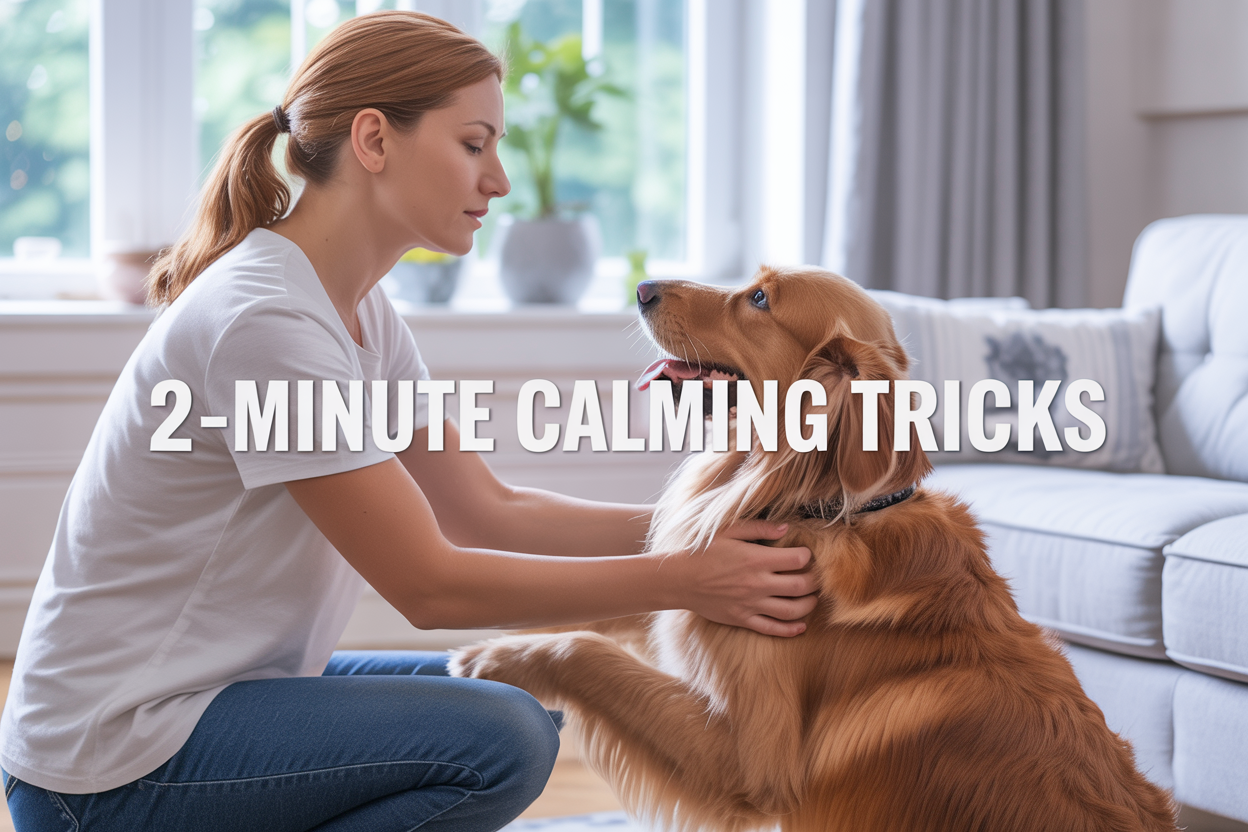
Your dog is bouncing off the walls, panting heavily, and won’t settle down no matter what you try. You need how to calm an overexcited dog fast solutions that actually work in real-time situations.
This guide is for dog parents dealing with hyperactive pups during thunderstorms, when guests arrive, after playtime, or any moment your furry friend gets overstimulated and needs immediate help settling down.
You’ll discover 2-minute calming tricks that work on the spot, including breathing techniques that tap into your dog’s natural relaxation response and instant physical methods like pressure point touches that help anxious dogs decompress quickly. We’ll also cover mental reset strategies you can use anywhere, plus emergency tools to keep handy for those moments when your dog’s excitement levels spike unexpectedly.
Recognize Signs of an Overexcited Dog
Physical Symptoms That Indicate Hyperactivity
Your dog’s body language speaks volumes when they’re overexcited. Watch for rapid panting even when it’s not hot, excessive drooling, and a stiff, tense posture. Their pupils may dilate, and you’ll notice trembling or shaking in their legs. Racing heart rate, hot ears, and restless pacing are clear red flags that your pup needs immediate calming intervention.
Behavioral Patterns of Overstimulated Dogs
Overexcited dogs display distinctive behaviors that are hard to miss. Your dog might jump excessively on you or guests, bark non-stop, or spin in circles. They’ll ignore commands they normally follow and may become destructive, chewing furniture or digging frantically. You’ll also see them unable to settle down, constantly seeking attention, or engaging in repetitive behaviors like tail chasing or obsessive licking.
Environmental Triggers That Cause Excitement
Certain situations send your dog into overdrive mode. Doorbell rings, visitors arriving, or seeing other dogs during walks are common culprits. Car rides, mealtime preparations, and grabbing their leash can trigger intense excitement. Loud noises like thunderstorms, fireworks, or even vacuum cleaners often overstimulate sensitive dogs. New environments, crowded spaces, and changes in your routine can also push your furry friend over the edge into hyperactivity.
Quick Breathing Techniques to Reduce Dog Anxiety
Deep breathing exercises for immediate calm
Start by modeling slow, deep breaths yourself – dogs naturally mirror their owner’s energy. Take a deep breath in for four counts, hold for two, then exhale slowly for six counts. Your dog will notice your calm demeanor and begin to relax alongside you. This technique works because dogs are incredibly attuned to your emotional state and breathing patterns.
Controlled exhale method for stress relief
Focus on extending your exhale longer than your inhale – this activates your dog’s parasympathetic nervous system. Breathe in normally for three counts, then exhale slowly through slightly pursed lips for six counts. Keep your shoulders relaxed and maintain eye contact with your dog. This method signals safety and helps lower your dog’s cortisol levels within minutes.
Synchronized breathing between owner and dog
Place your hand gently on your dog’s chest or side and match their natural breathing rhythm first. Once synchronized, gradually slow your breathing down, allowing your dog to follow your lead. This creates a powerful bonding moment while naturally reducing anxiety. Your calm, rhythmic breathing becomes a anchor point that helps ground your overexcited dog back to a peaceful state.
Instant Physical Calming Methods
Pressure Point Massage for Relaxation
Apply gentle pressure to your dog’s ear base using your thumb and index finger, making small circular motions for 30 seconds. This triggers natural relaxation responses. Focus on the soft spot between their eyes, pressing lightly while speaking in calm tones. Your dog’s shoulders also respond well to gentle massage – use both hands to knead the muscles just behind their neck area.
Gentle Restraint Techniques That Soothe
Wrap your arms around your dog’s chest from behind, creating a secure “hug” position that mimics pack comfort. Keep your touch firm but not restrictive, allowing them to breathe easily. Place one hand on their chest and the other on their back, maintaining steady contact. This technique works best when you’re sitting on the floor with your dog between your legs.
Temperature Therapy for Quick Relief
Cool compresses work wonders for overheated, anxious dogs. Place a damp, cool towel on their paws or belly for instant relief. During winter months, try a warm (not hot) rice sock placed on their back or neck area. Your dog’s paw pads are especially sensitive to temperature changes – gently hold a cool pack against them for 15-20 seconds while offering treats.
Strategic Positioning to Minimize Stimulation
Move your dog to a quiet corner or their designated safe space, away from windows and high-traffic areas. Position them facing away from the excitement source, whether that’s the front door or other animals. Create a barrier using your body – stand between your dog and whatever’s causing their overexcitement. Guide them to lie down on their side, which naturally promotes relaxation and makes it harder for them to maintain high energy levels.
2-Minute Mental Reset Strategies
Redirect attention with focused commands
Snap your dog out of overexcitement by using sharp, clear commands they already know. Say “sit” or “stay” with authority and wait for compliance before rewarding. This mental shift forces them to focus on you instead of whatever triggered their hyperactivity. Practice these commands daily when your dog is calm so they respond automatically during chaotic moments.
Create mental exhaustion through brain games
Challenge your overexcited dog with quick puzzle games that drain mental energy faster than physical exercise. Hide treats under cups and let them figure out which one contains the reward, or scatter kibble across the floor for a sniffing game. These activities redirect their energy into problem-solving mode, naturally calming their excited state within minutes.
Use scent therapy for instant relaxation
Lavender and chamomile scents work wonders for anxious, overexcited dogs. Keep a spray bottle with diluted lavender essential oil handy and mist it on their bedding or in the air around them. You can also rub a small amount of coconut oil mixed with calming scents on your hands and let them smell it while you speak in soothing tones.
Emergency Tools and Items for Fast Results
Essential calming aids every owner should have
Keep a thunder shirt or anxiety wrap in your emergency kit—these provide gentle, constant pressure that mimics swaddling and calms most dogs within minutes. Stock up on calming pheromone sprays that mimic mother dog scents, portable calming treats with L-theanine or melatonin, and a favorite comfort toy. You’ll also want noise-canceling headphones designed for dogs and a cozy blanket that smells like you.
Household items that work as calming tools
Your kitchen towel becomes an instant anxiety wrap when wrapped snugly around your dog’s torso. Use a regular blanket to create a den-like space under a table or couch. Essential oils like lavender (diluted and dog-safe) work wonders when diffused nearby. Even your own worn t-shirt can provide comfort through familiar scent. Ice cubes give anxious dogs something to focus on while cooling them down.
Natural remedies for immediate anxiety relief
Chamomile tea (cooled) can be added to your dog’s water bowl for mild sedative effects. Valerian root treats work faster than most commercial options—keep them handy for emergencies. CBD oil designed for pets provides quick relief when administered under the tongue. Bach Rescue Remedy drops calm nerves within 10-15 minutes. Frozen Kong toys stuffed with peanut butter redirect energy while releasing calming endorphins through chewing.
Technology solutions for overexcited dogs
Download calming music apps specifically designed for dogs—classical music and reggae work best according to studies. White noise machines or apps mask trigger sounds that cause excitement spikes. Puzzle-dispensing treat cameras let you redirect attention remotely when you’re not home. Smart collars with vibration settings provide gentle correction without shock. LED light therapy devices offer drug-free anxiety relief through specific color wavelengths that promote relaxation.
Prevention Techniques to Stop Overexcitement Before It Starts
Daily routine adjustments that maintain calm
Structure your dog’s day with consistent meal times, walks, and play sessions. Dogs thrive on predictability, so stick to the same schedule seven days a week. Feed your pup at identical times daily and create quiet periods before meals to prevent excitement-driven gulping. Build in mandatory rest periods between high-energy activities, giving your dog’s nervous system time to reset naturally.
Exercise timing strategies for balanced energy
Time your dog’s most intense exercise sessions for early morning or late afternoon when temperatures are cooler and your dog’s energy peaks naturally. Avoid vigorous activities right before exciting events like visitors arriving or dinnertime. Space out exercise throughout the day rather than cramming it all into one exhausting session. This prevents energy spikes that lead to overexcitement later.
Environmental modifications for peaceful spaces
Create designated calm zones in your home using soft lighting, comfortable bedding, and minimal noise. Remove triggers that cause excitement like squeaky toys from common areas during rest times. Use baby gates to control your dog’s access to high-stimulation areas like front windows where they might see passing dogs or delivery trucks. Consider white noise machines or calming music to mask external sounds that trigger overexcitement episode


