
How To Stop Dog Pee Splashing On Walls And Fences

Dog pee splashing on walls and fences creates messy cleanup challenges that frustrate many pet owners. If you’re dealing with yellow stains, lingering odors, and constant scrubbing around your yard or home, you’re not alone in this common dog ownership struggle.
This guide is designed for dog owners who want practical solutions to stop dog pee splashing without breaking the bank or completely redesigning their outdoor spaces. You’ll discover why dogs naturally create splash patterns when they urinate and learn simple techniques to redirect the mess away from your property.
We’ll walk you through installing strategic barriers and deflectors that actually work, plus show you how to train your dog to use designated bathroom spots. You’ll also get proven cleaning methods to remove existing stains and odors from affected walls and fences, helping you maintain a cleaner yard with less daily maintenance.
Understanding Why Dogs Splash When Urinating
You Might Also Love These Ideas


Analyze your dog’s natural urination posture and angle
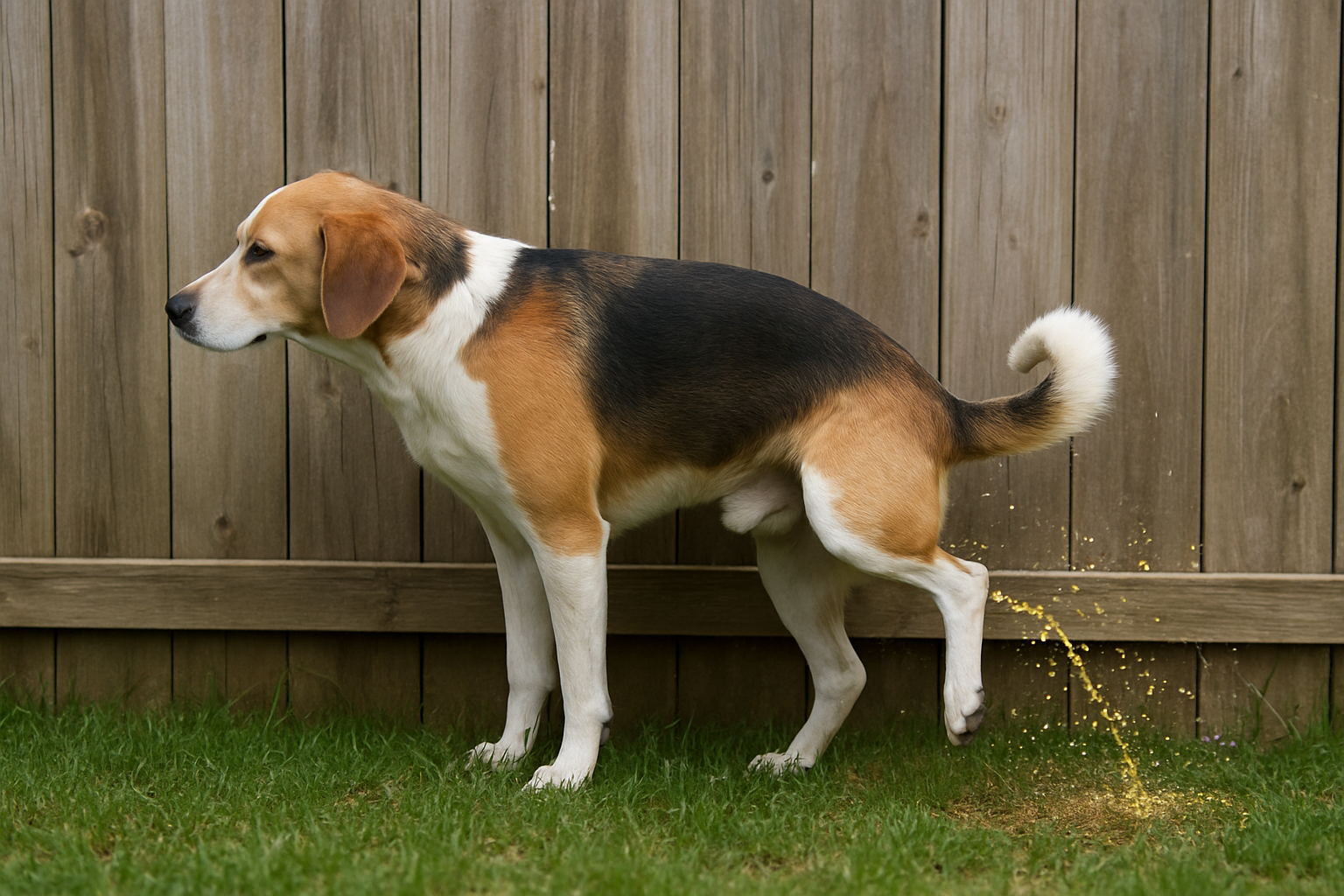
Your dog’s urination posture plays a huge role in splash patterns. Male dogs typically lift their leg at 45-90 degree angles, creating powerful streams that hit surfaces with significant force. Female dogs usually squat lower to the ground, but their stream can still create splash depending on surface texture and distance. Watch your dog’s stance closely – some dogs lean forward or backward while urinating, changing the trajectory completely. The angle at which urine hits vertical surfaces determines how much bounces back toward your walls and fences.
Identify surfaces that cause maximum splash back
Hard, non-porous surfaces create the most dramatic splash problems in your yard. Concrete walls, wooden fences, metal posts, and smooth stones reflect urine streams back with maximum force. Brick surfaces with deep mortar joints trap moisture but still cause significant splashing. Glass surfaces and glossy painted walls are splash magnets that send streams in unpredictable directions. Textured surfaces like rough stone or bark tend to absorb more liquid and create less bounce-back, making them preferable options for areas where your dog frequently urinates.
Recognize breed-specific urination behaviors
Different dog breeds exhibit unique urination patterns that affect splash intensity. Large breeds like German Shepherds and Labrador Retrievers produce higher volume streams with greater force, creating more splash problems. Small breeds may lift their legs higher relative to their body size, changing angle dynamics completely. Terrier breeds often mark territory more frequently, concentrating damage in specific areas. Long-legged breeds create different trajectory patterns compared to short-legged dogs like Corgis or Dachshunds. Understanding your breed’s typical marking habits helps you predict problem zones.
Assess your yard’s layout and problem areas
Walk through your outdoor space and identify where splash damage occurs most frequently. Corner areas where two surfaces meet create splash amplification zones that need special attention. Areas near your dog’s favorite marking spots – like fence posts, mailboxes, or garden borders – show the heaviest damage patterns. Check surfaces at your dog’s typical leg-lifting height, usually 12-24 inches from the ground for most dogs. Note wind patterns that might affect urine direction and areas where drainage creates standing water problems after your dog urinates.
Strategic Placement of Urine Deflectors and Barriers
Install splash guards at the base of walls and fences
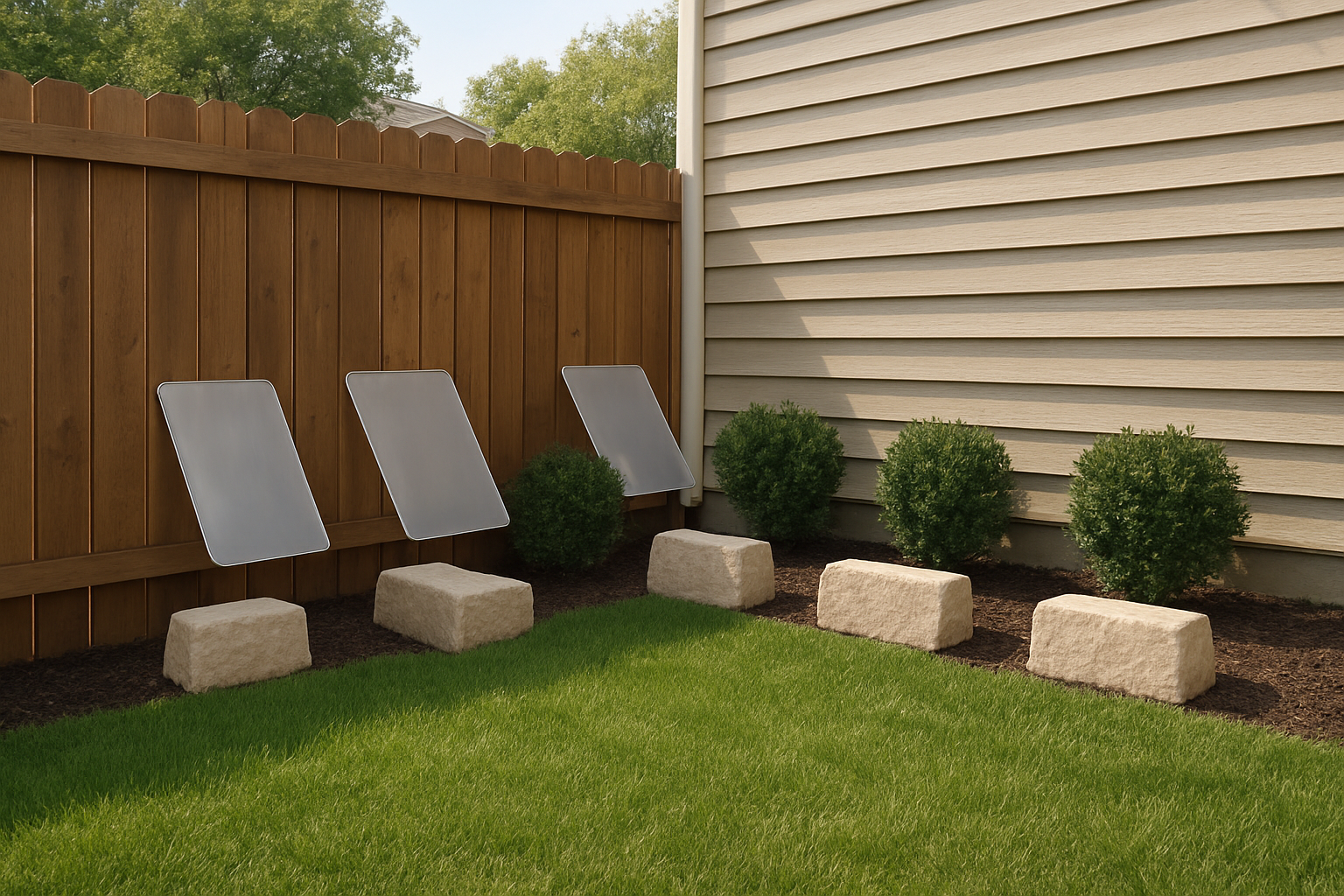
Mount clear plastic or aluminum splash guards 12-18 inches high along your walls and fence lines where your dog typically urinates. These deflectors redirect urine flow downward instead of allowing it to splatter against vertical surfaces. Secure them with screws or heavy-duty adhesive strips for easy removal during cleaning.
Position decorative stones or mulch to absorb liquid
Create a 2-3 foot buffer zone of river rocks, pea gravel, or bark mulch along your walls and fences. These materials absorb urine quickly while preventing splashing onto nearby surfaces. Choose darker colored options that won’t show staining as easily, and replace mulch seasonally to maintain freshness and odor control.
Create designated urination zones away from structures
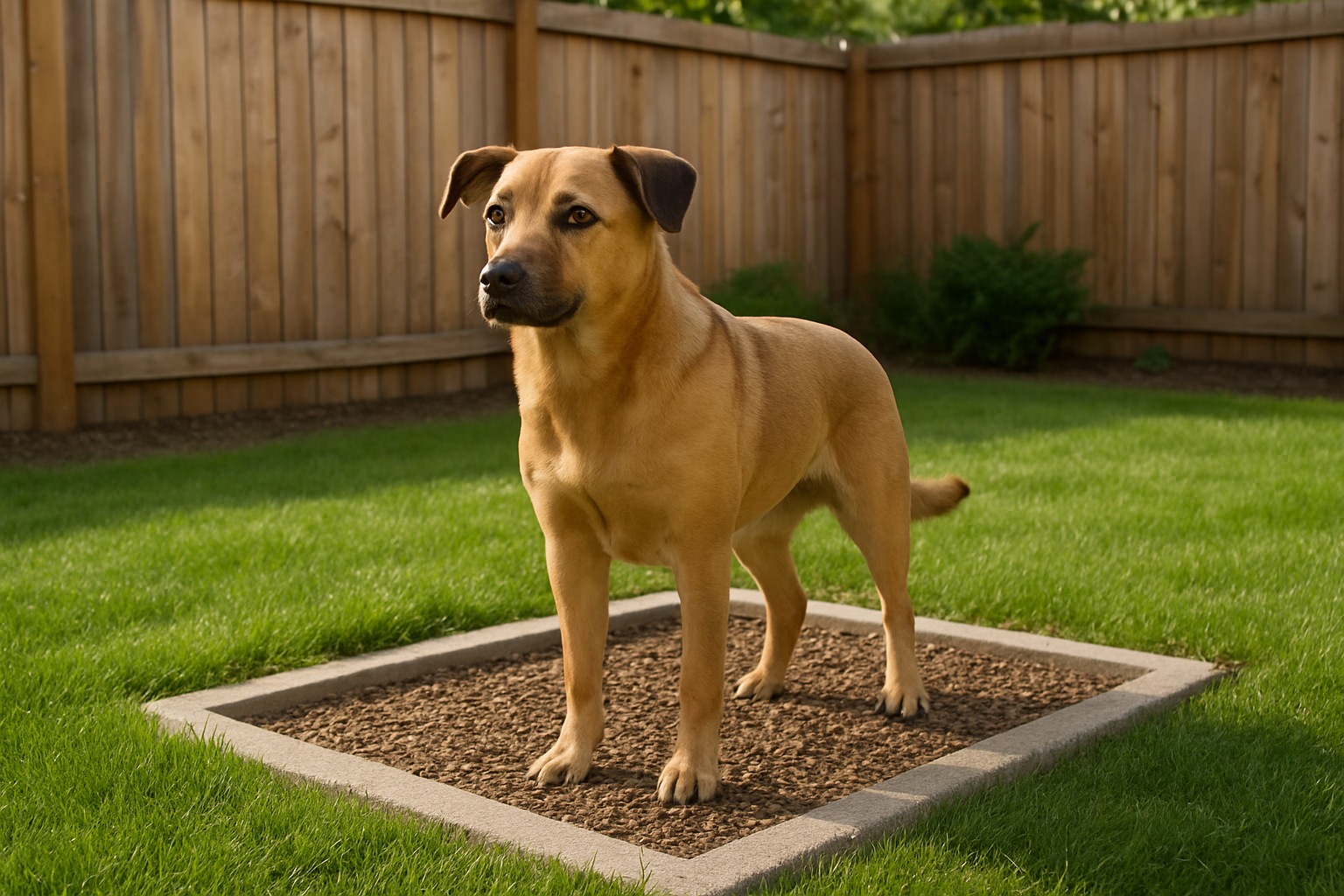
Establish specific bathroom areas at least 6 feet from your home and fencing using attractive landscaping elements like raised garden beds or decorative posts. Guide your dog to these spots during walks and reward successful use with treats. Consider installing a small gravel pad or artificial grass patch to make these zones more appealing and easier to maintain.
Training Your Dog to Use Specific Bathroom Areas
Establish consistent potty spots in your yard
Pick a specific area of your yard and consistently guide your dog there for bathroom breaks. Choose spots away from walls, fences, and high-traffic areas where splash won’t cause problems. Mark these designated zones with visual cues like small flags or stepping stones to help your dog recognize the preferred location.
Use positive reinforcement to encourage proper positioning
Reward your dog immediately when they use the designated bathroom area correctly. Bring high-value treats and offer enthusiastic praise the moment they finish urinating in the right spot. This creates positive associations with the preferred location and encourages your dog to seek out these areas independently for future bathroom needs.
Redirect your dog when they approach problematic areas
Watch for signs your dog is about to urinate near walls or fences, then quickly guide them to the designated potty area. Use a cheerful voice and gentle leash guidance rather than harsh corrections. If your dog has already started urinating in the wrong spot, don’t interrupt them mid-stream as this can cause health issues.
Maintain regular bathroom schedules for better control
Take your dog outside at consistent times throughout the day to prevent urgent bathroom needs that lead to poor positioning choices. Regular schedules give you more control over where your dog relieves themselves and reduce accidents near problematic areas. Adult dogs typically need bathroom breaks every 4-6 hours, while puppies require more frequent opportunities.
Physical Modifications to Reduce Splash Impact
Apply protective coatings to vulnerable wall surfaces
Paint your walls with semi-gloss or satin finishes that resist moisture and wipe clean easily. Consider applying clear protective sealants to create a barrier that prevents urine from penetrating porous surfaces like concrete or wood siding.
Install angled splash boards along fence lines
Mount weatherproof boards at a 45-degree angle along your fence base to redirect urine away from vertical surfaces. Position these deflectors 12-18 inches high using galvanized brackets, creating an effective shield that bounces splashes toward the ground instead of up the fence.
Plant strategic landscaping to create natural barriers
Place dense, low-growing shrubs like boxwood or juniper bushes 2-3 feet from walls and fences. These plants absorb urine naturally while creating a physical buffer. Choose varieties that tolerate high nitrogen levels and won’t be damaged by dog waste.
Adjust fence height and design for better urine management
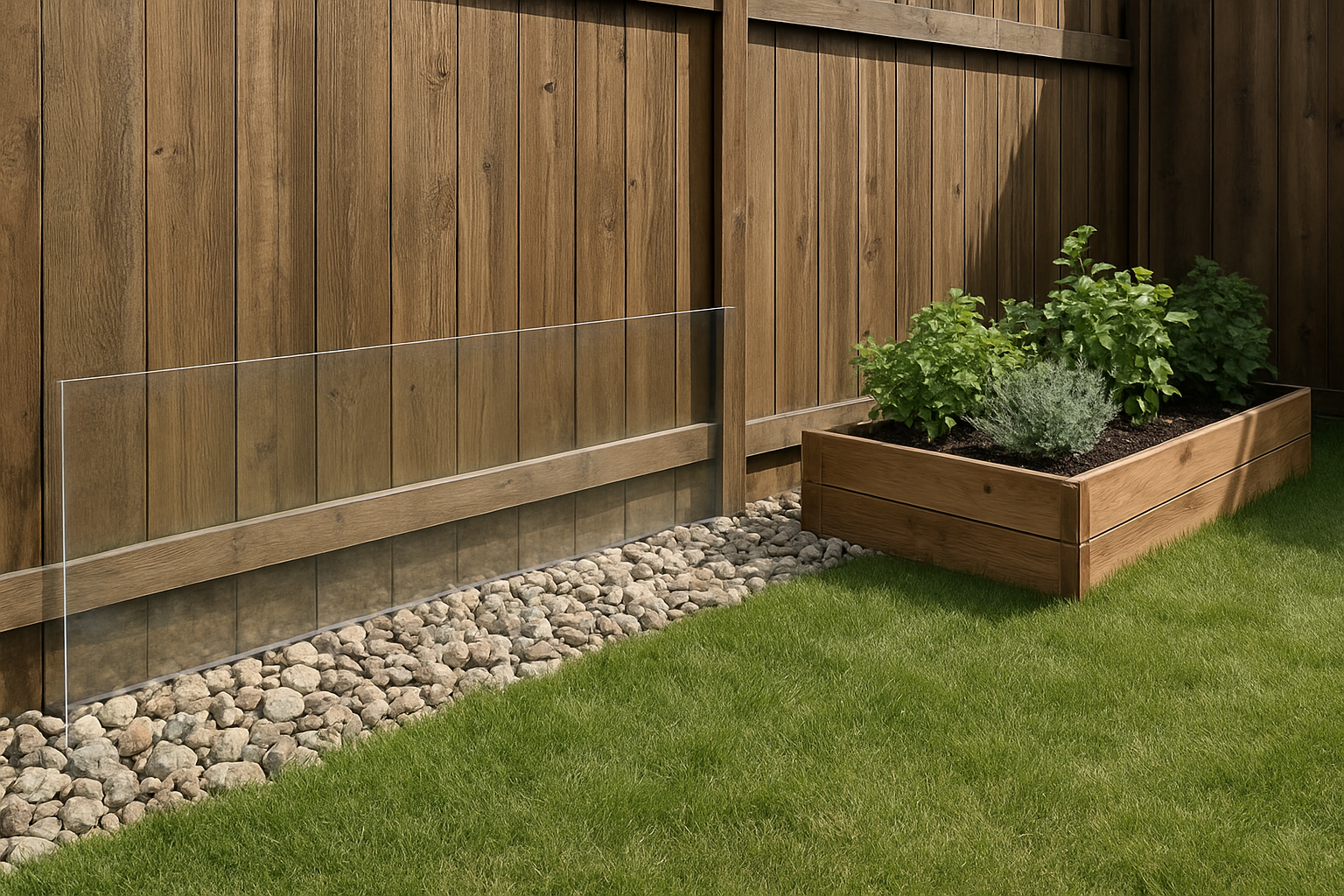
Lower your fence sections where dogs typically urinate, reducing splash-back from hitting tall surfaces. Install horizontal slats instead of solid panels to allow better airflow and drainage. Consider adding a gravel strip along the fence bottom to improve absorption and prevent puddling.
Cleaning and Maintenance Solutions for Affected Areas
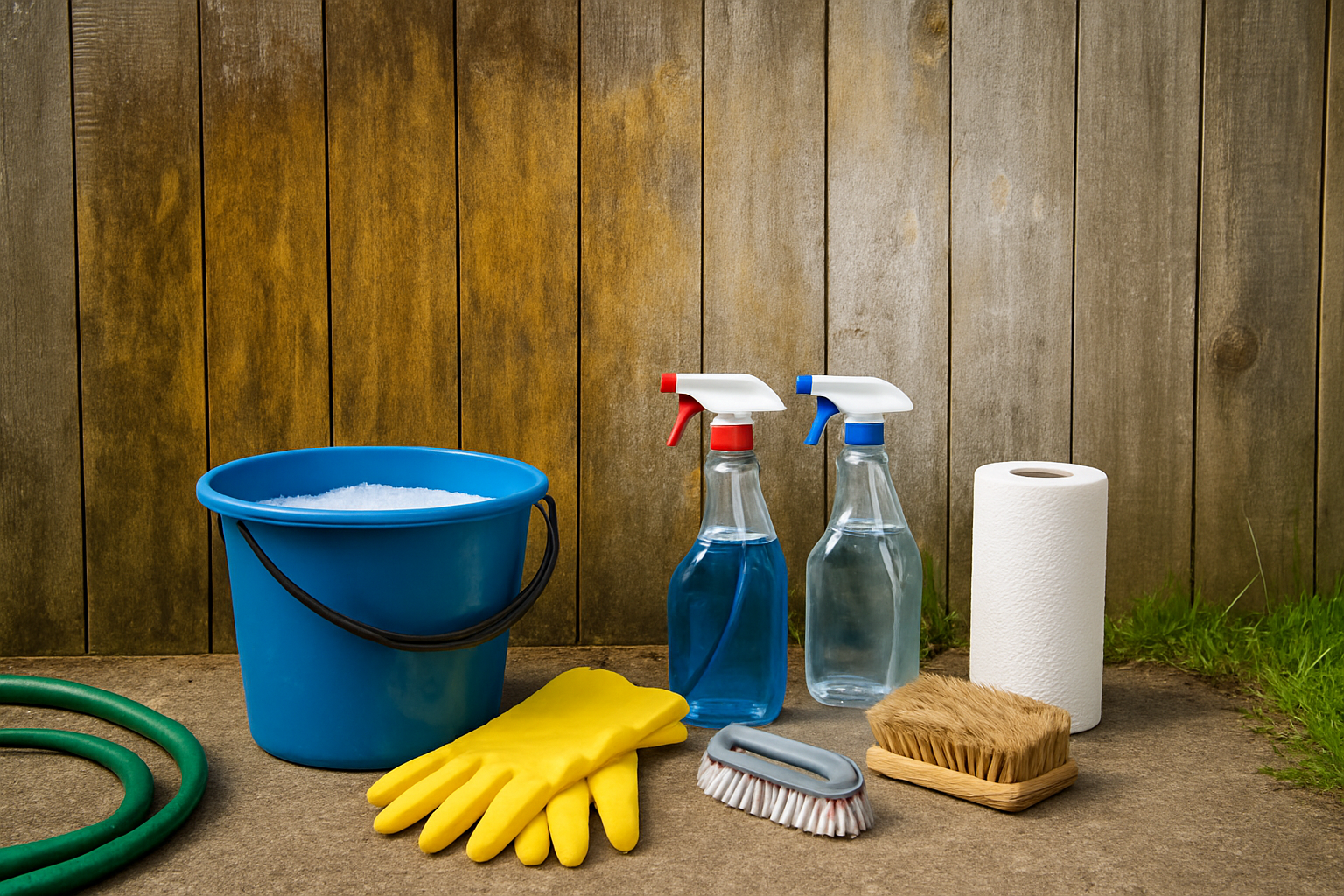
Choose enzyme-based cleaners for complete odor removal
Your regular household cleaners won’t cut it when dealing with dog urine odors. You need enzyme-based cleaners that break down the uric acid crystals completely, preventing your dog from returning to the same spot. These specialized cleaners work by releasing bacteria that literally eat the odor-causing compounds, eliminating both the smell and the invisible markers that attract your pet back.
Implement regular washing schedules for walls and fences
Set up a weekly cleaning routine for affected areas, increasing frequency during warmer months when odors intensify. Use a garden hose or pressure washer on fences, followed by your enzyme cleaner application. For walls near your house, gentle scrubbing with a long-handled brush prevents damage while removing buildup. Don’t wait for visible staining – consistent maintenance stops problems before they become permanent eyesores.
Apply protective sealants to prevent permanent staining
Seal porous surfaces like wood fences and concrete walls with pet-safe, waterproof sealants before problems start. These barriers create a protective layer that makes cleaning easier and prevents urine from soaking deep into materials. Reapply sealants annually or after deep cleaning sessions. For painted surfaces, consider semi-gloss or satin finishes that resist moisture better than flat paint and wipe clean more easily.


