
10 Stunning Deck Skirting Ideas to Enhance Your Outdoor Space Quickly and Easily

Deck skirting can greatly improve the look and function of your outdoor space. It hides the empty space beneath your deck, making the area neater and more finished. You can also use skirting to protect the underside of your deck from pests and weather damage.
Choosing the right deck skirting helps you enhance your deck’s appearance while adding practical benefits like ventilation and storage. There are many styles and materials to consider, so you can find one that fits your home and personal taste.
1) Wood Lattice Panels for classic ventilation and charm
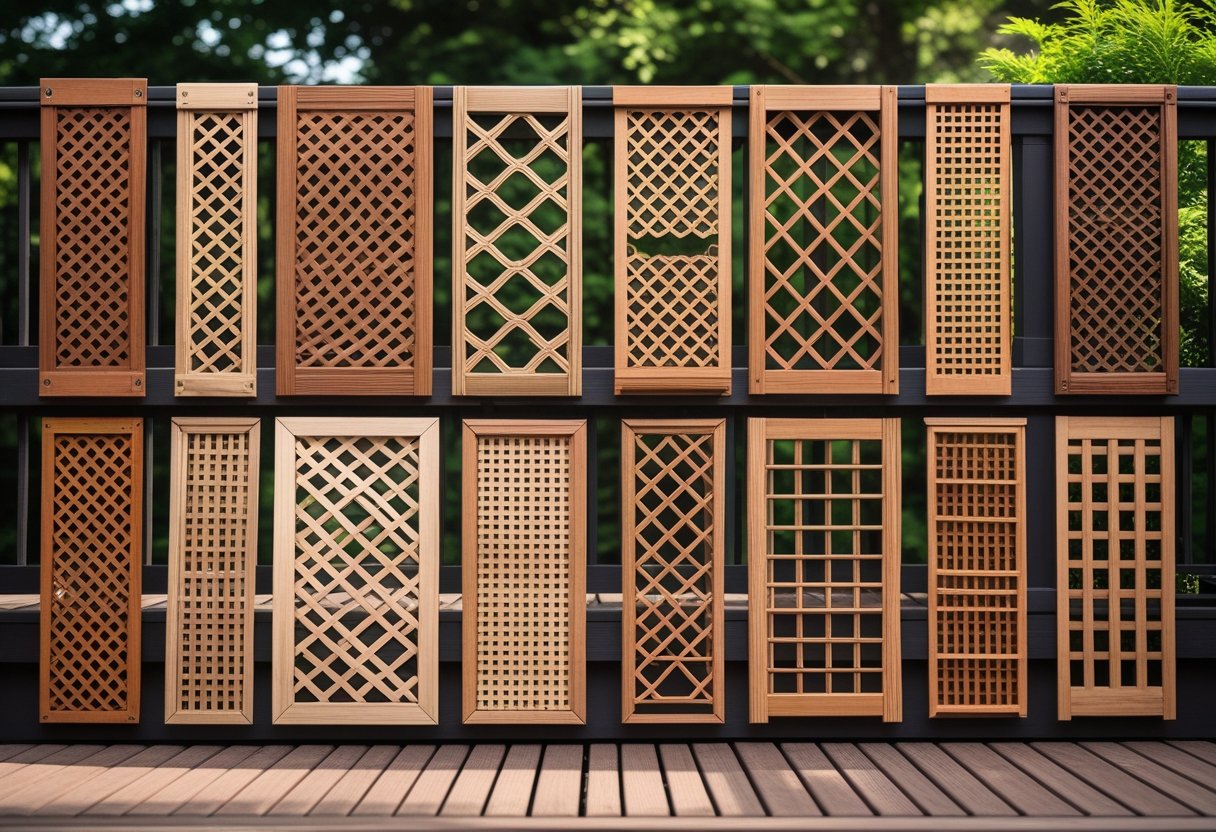
Wood lattice panels offer a traditional look with their crisscross pattern. You get good airflow under your deck, which helps prevent moisture buildup. This can protect your deck’s structure over time.
You Might Also Love These Ideas


These panels also add a simple, charming style to your outdoor space. You can paint or stain them to match your deck’s color. Using wood lattice is a popular and practical way to finish your deck’s skirt. See more about wood lattice options here.
2) Composite Deck Skirting for low-maintenance durability
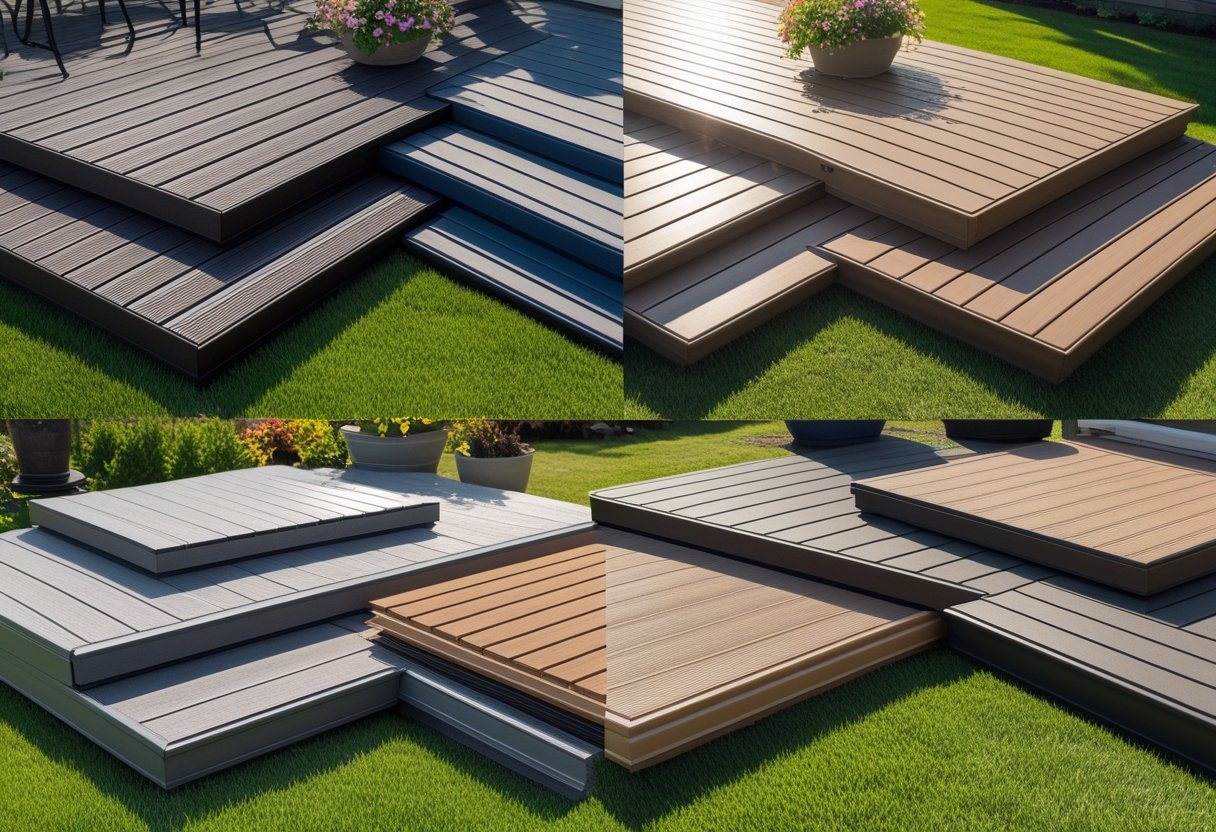
You can choose composite deck skirting if you want a long-lasting option. It looks like wood but needs less upkeep.
Composite resists moisture, stains, and fading, so it stays in good shape over time. It also avoids warping like natural wood can.
This skirting type is practical and keeps your deck’s base clean and protected. Learn more about composite options at TimberTech’s deck skirting ideas.
3) Faux Stone Skirting for a natural, upscale look
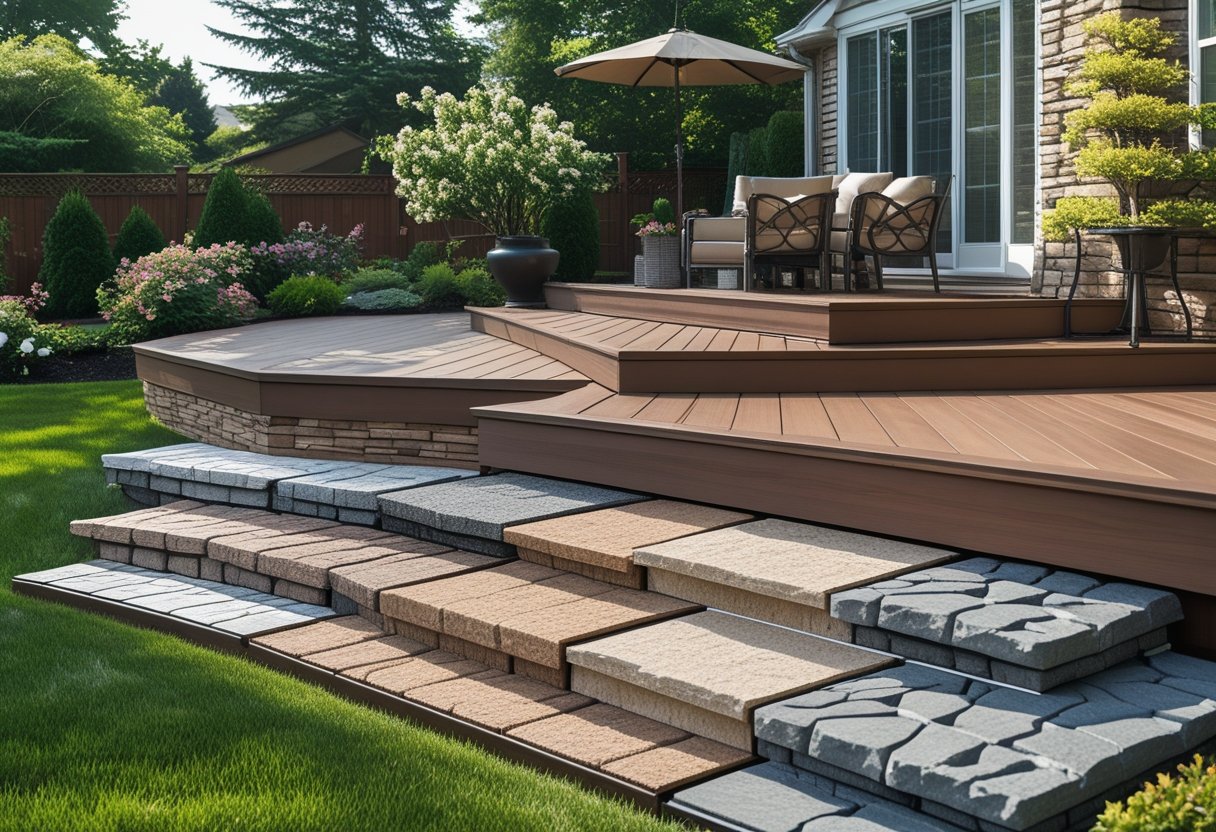
Faux stone skirting gives your deck a clean, natural appearance without the weight of real stone. It is lightweight and easier to install, making it a practical choice. You can find designs that closely mimic real stone, adding an upscale touch to your outdoor space.
This option also resists weather damage better than wood. Faux stone skirting can fit both modern and rustic styles, helping your deck blend well with your yard. Check out ideas for faux stone deck skirting to find inspiration for your project.
4) Brick Skirting to add timeless elegance
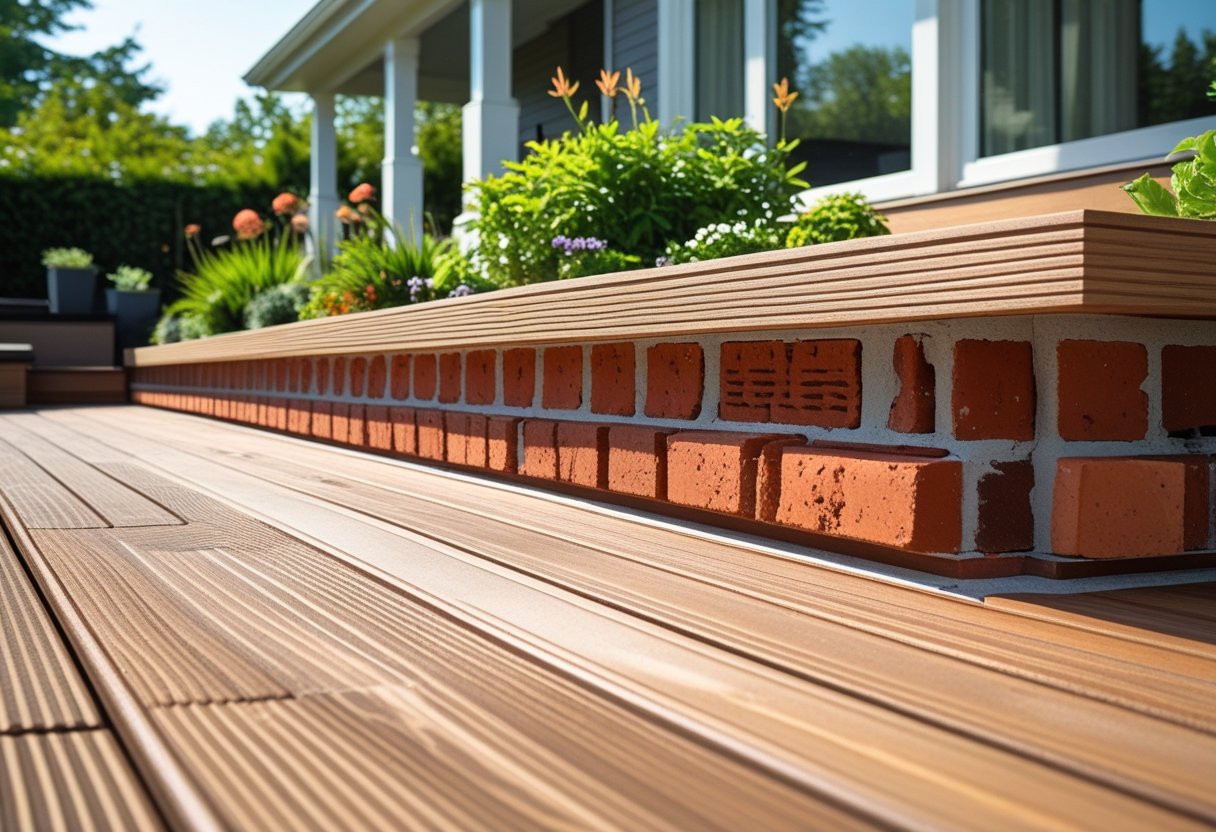
Using brick for your deck skirting adds a classic and sturdy look. It works well if your home has brick or stone features, helping your deck blend in smoothly.
Brick skirting also protects the space under your deck from animals and debris. It is durable and low maintenance, making it a practical choice.
If you want a bold or subtle effect, brick can either match your exterior or create contrast. Learn more about brick skirting options here.
5) Metal Panels with geometric cutouts for modern appeal
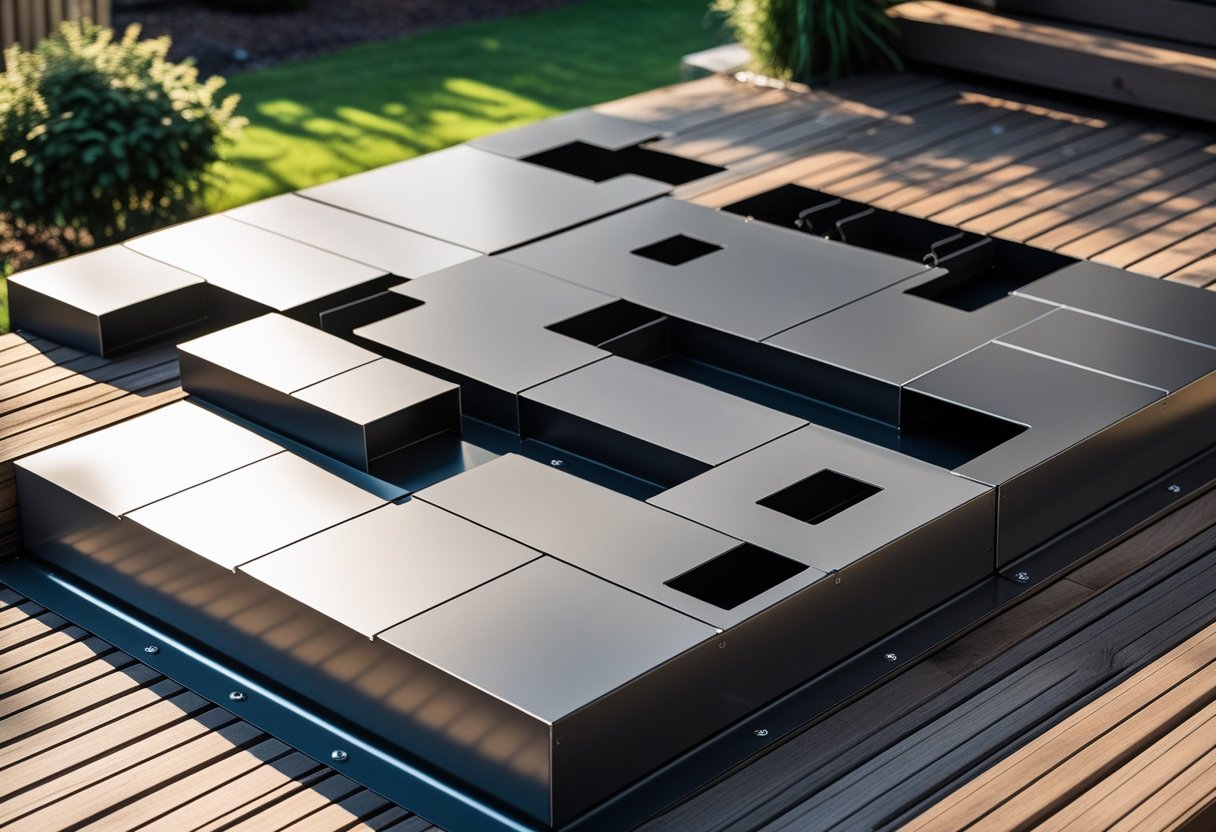
You can choose metal panels with geometric cutouts to give your deck a clean, modern look. These panels add style while allowing airflow under your deck.
Metal is durable and low maintenance, so it holds up well over time. The geometric designs offer visual interest without being too busy.
Installing metal panels is straightforward, and they come in various patterns to fit your taste. You can explore metal deck skirting ideas for more inspiration here.
6) Horizontal Wooden Slats for sleek, contemporary lines
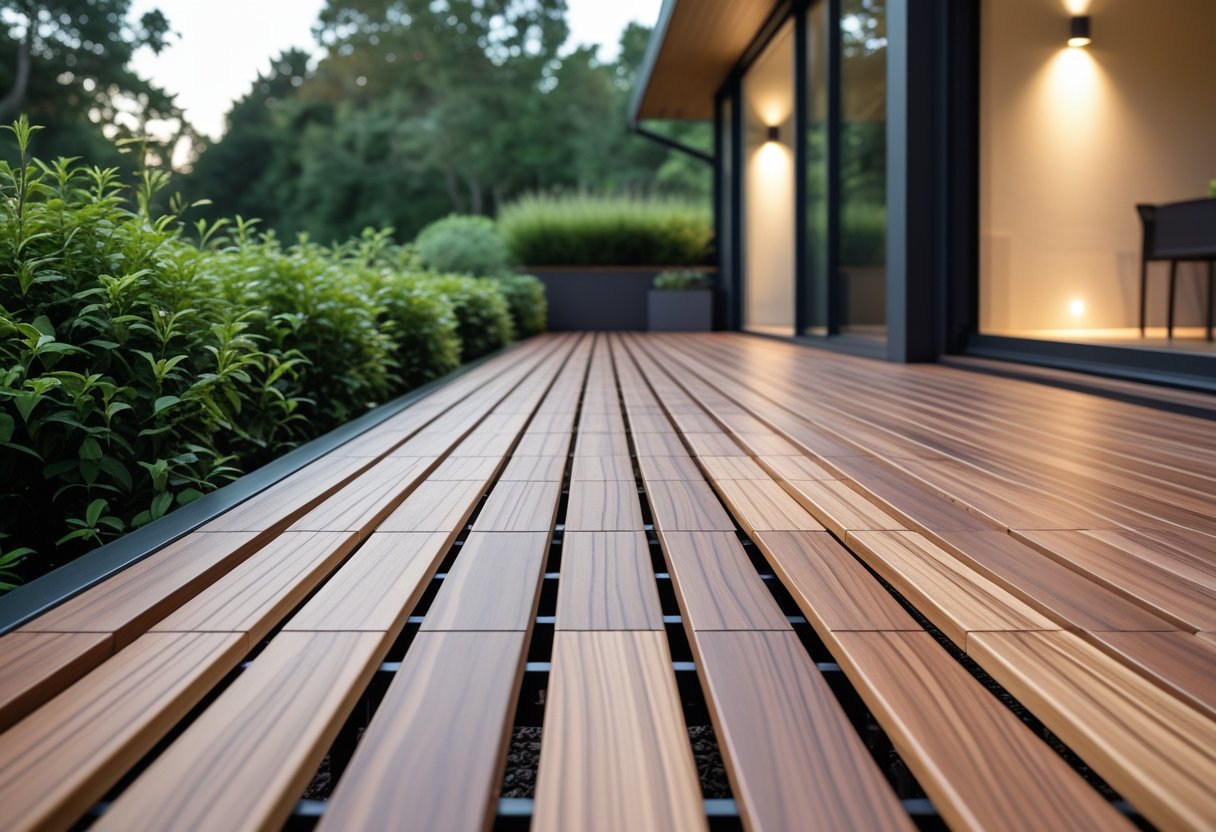
You can give your deck a modern look by using horizontal wooden slats for skirting. This design creates clean, straight lines that make your deck appear more streamlined.
The slats are usually placed close together for a neat finish. You can choose wood types that suit your style and budget.
This option is both functional and stylish. It helps hide the space under your deck while adding a simple, elegant touch. For more ideas, see horizontal slats options here.
7) PVC Wraps resistant to moisture and insects
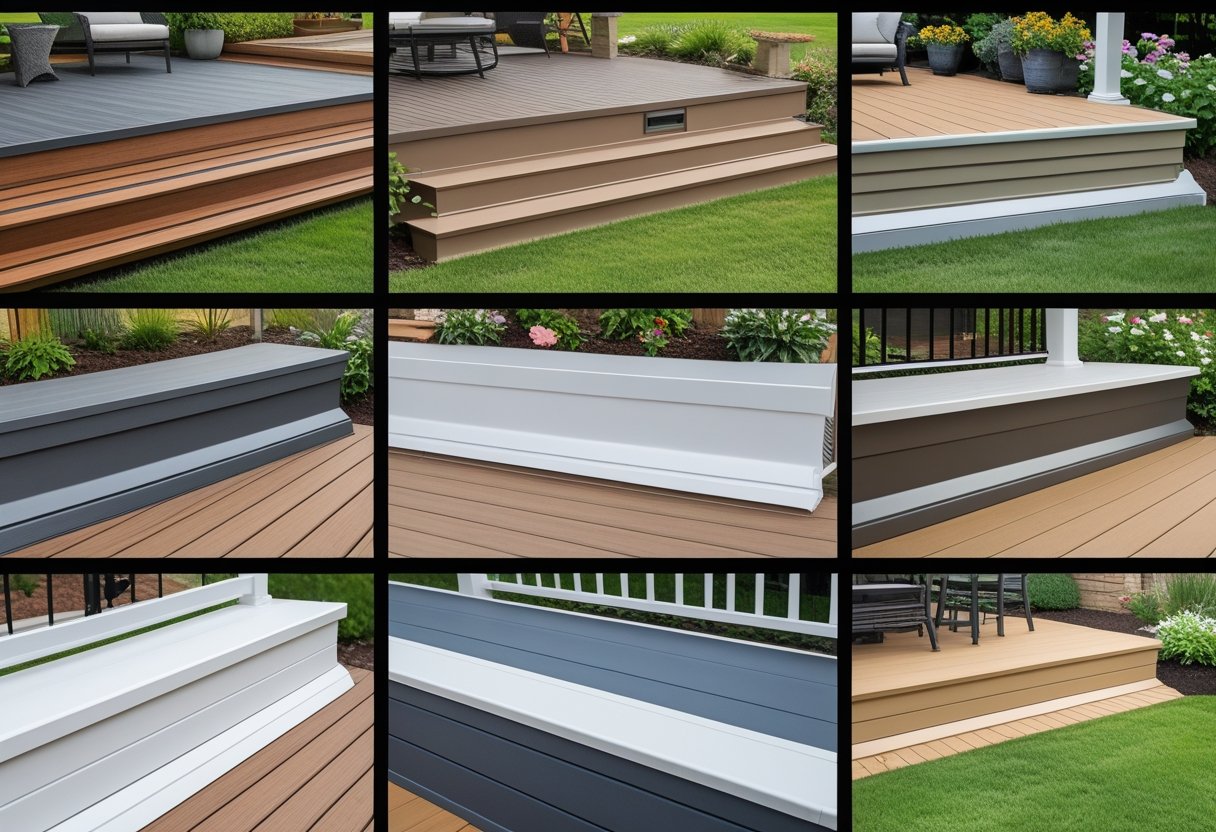
You can use PVC wraps to finish your deck skirting with a clean, modern look. They resist moisture well, so they won’t warp or rot over time.
These wraps also keep insects out, protecting the space under your deck. Since they resist fading and staining, your skirting will stay attractive with little upkeep.
For a crisp finish that matches your home’s trim, consider PVC wraps as a durable, low-maintenance option. Learn more about them in this article on PVC deck skirting ideas.
8) Decorative Screen Panels with intricate designs
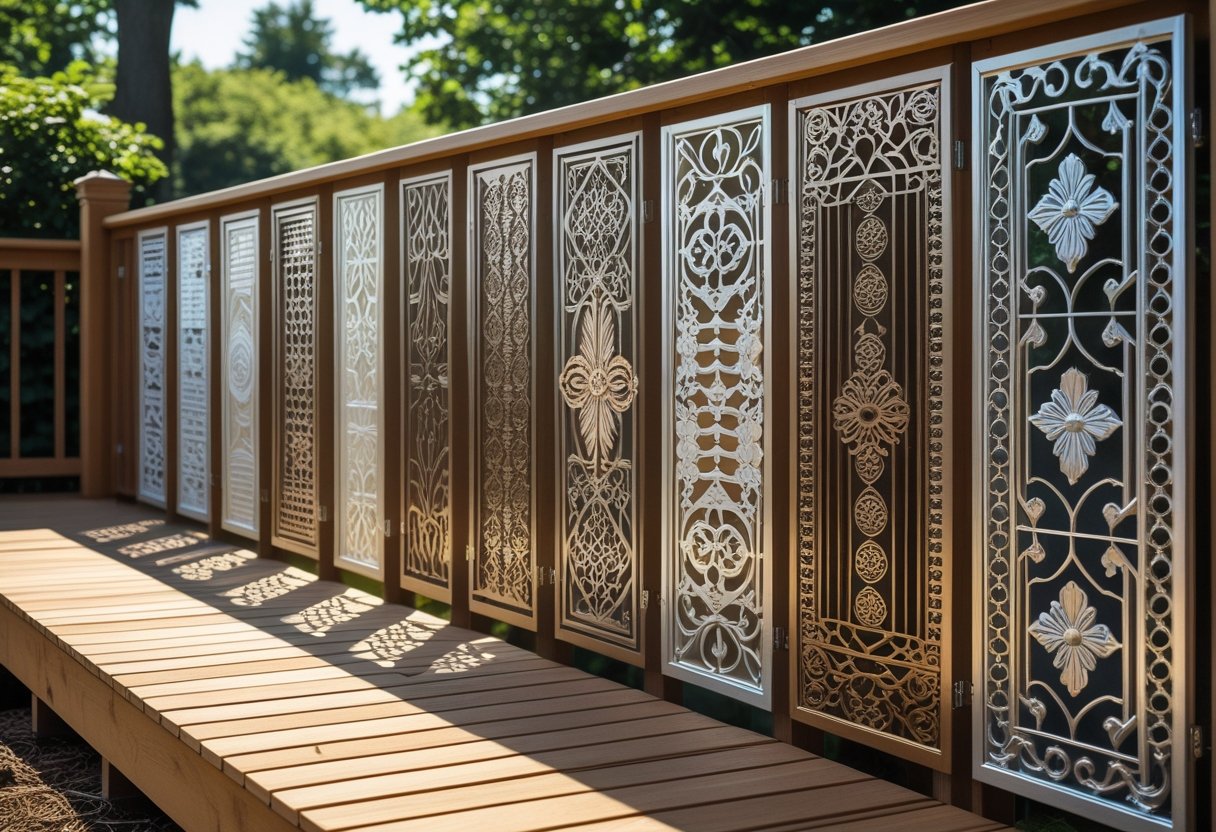
You can use decorative screen panels to add style and function to your deck skirting. These panels often feature detailed patterns that let air flow while hiding the space under your deck.
They are easy to install and can be cut to fit your deck’s shape. Choosing panels with intricate designs gives your deck a unique, polished look.
For ideas on decorative panels, you can explore options like those shown in the deck skirting ideas guide.
9) Shrubs and Evergreen Plantings for natural concealment
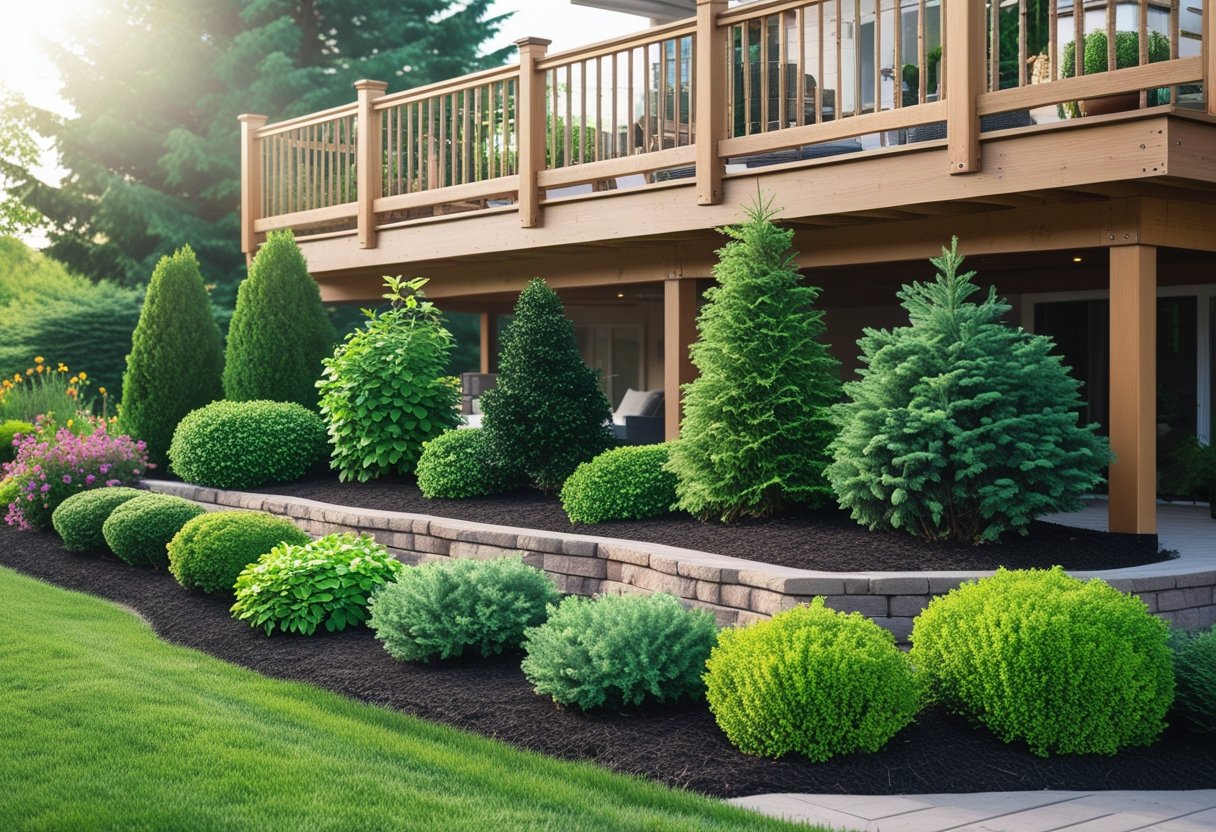
You can use shrubs and evergreen plants to hide the space under your deck naturally. These plants create a green barrier that blends well with your yard.
Choose native evergreens or bushes that grow close together for better coverage. They require little maintenance and add privacy.
Planting shrubs around your deck’s edge is an easy way to improve its look while keeping the area concealed. This method is both functional and attractive. For more ideas, see deck skirting using plants.
10) Solid Wood Boards painted in edgy colors
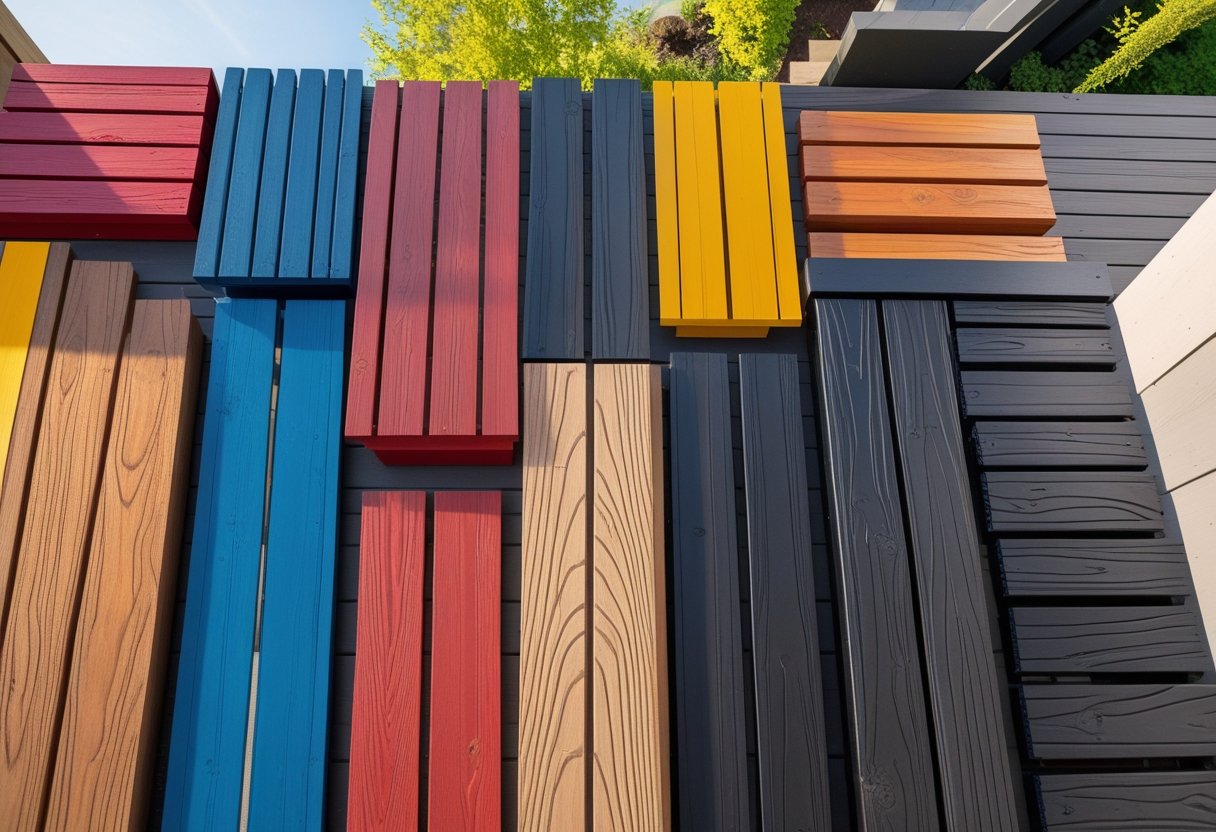
You can use solid wood boards for deck skirting to create a clean, strong look. Painting them in bold or edgy colors adds style and personality to your outdoor space.
This option lets you customize your deck easily. Choose colors that match or contrast with your home for a fresh, modern feel. Solid wood is also easy to cut and fit to your deck’s shape. For more ideas, see solid wood deck skirting options.
Understanding Deck Skirting
Deck skirting is an important part of your outdoor space. It creates a finished look and helps keep the area under your deck neat and useful. Knowing what deck skirting does can help you pick the right style and materials for your needs.
Purpose and Functional Benefits
Deck skirting hides the space below your deck, giving your yard a tidy appearance. It keeps out animals like rodents and insects, helping protect your home and deck structure.
Skirting also prevents debris, leaves, and dirt from collecting under your deck. This reduces maintenance and keeps the area cleaner.
In addition to appearance and protection, deck skirting can create extra storage space. You can store tools or outdoor gear out of sight.
Materials for skirting include wood lattice, composite boards, and durable PVC options. Using the right material can increase your deck’s lifespan by shielding its base from weather damage. For more on materials, see composite deck skirting ideas.
Installation Tips for Lasting Results
Proper preparation and attention to ventilation are key to making your deck skirting last. You should carefully measure and prepare the site before installation. Also, ensure good airflow and drainage to avoid moisture buildup and damage.
Site Preparation and Measuring
Clear the area beneath your deck of debris, weeds, and loose soil. This prevents pests and allows for easier installation.
Measure the perimeter accurately. Use a tape measure to determine the total length where skirting will go. Mark the height you want the skirting to reach.
Frame the panels properly to keep the skirting stable. Attach horizontal supports between the deck posts to hold the skirting panels tightly. This prevents sagging or bowing over time.
Creating a level base at the bottom can help. Use gravel or compacted soil to improve stability and keep materials off wet ground.
Ventilation and Drainage Strategies
Allow airflow under your deck by leaving small gaps or using slatted boards. This reduces moisture buildup, which can cause wood rot or mold.
Make sure water drains away from the deck base. Avoid sealing the skirting completely at ground level. Instead, use vents or weep holes to let water escape.
If you use solid panels, installing a foundation of gravel below the skirting helps prevent standing water. Avoid trapping dirt and debris that block drainage paths.
Check local building codes for ventilation requirements, especially if you store items under your deck. Following these tips protects your deck structure and skirting from damage.
For more details on framing and ventilation, see 10 inexpensive deck skirting ideas.
Frequently Asked Questions
There are many ways to update the look of your deck while keeping costs low and installation simple. You can choose from a mix of materials that offer durability, style, and ease of care.
What are some budget-friendly options for deck skirting?
Wood lattice panels are one of the most affordable choices. They allow air to flow and add classic charm.
Another option is using vertical or horizontal wooden slats you can paint or stain yourself for a fresh look without spending much.
How do you install deck skirting yourself?
Start by measuring the space under your deck to know how much material you need.
Attach your chosen panels or boards directly to the deck frame using screws or nails. Make sure the base is level before securing your skirting.
Are there any low-cost alternatives to traditional deck skirting?
Yes, vinyl or PVC wraps can be inexpensive and require little maintenance.
Recycled composite materials also offer a budget-friendly way to get a fresh look and resist weather damage.
What materials are best for durable composite deck skirting?
Look for high-density composites with UV protection to avoid fading.
Materials that resist moisture and insects will keep your skirting strong for many years with minimal upkeep.
What are the design trends for modern deck skirting?
Metal panels with geometric cutouts are becoming popular for a sleek, contemporary look.
Faux stone skirting gives an upscale, natural appearance while staying practical and low-maintenance.
Which materials are recommended for vertical deck skirting?
Wood planks or vertical composite boards work well and are easy to install.
Metal panels designed for exterior use also fit vertical layouts and add a unique style to your deck.
For more options and ideas, see these deck skirting ideas.


