
The Ultimate Guide to Mobile Home Metal Skirting: Everything You Need to Know

Why Metal Skirting Could Transform Your Mobile Home?
Imagine moving into your dream mobile home, only to notice the unsightly gap beneath it. Not only does it detract from your home’s curb appeal, but it’s also an open invitation for pests, cold drafts, and moisture damage. This is where mobile home skirting comes in, and metal skirting, in particular, is stealing the spotlight for its durability and sleek look. Did you know that properly installed skirting can cut heating costs by up to 22% (DURASKIRT™)? In this guide, I’ll walk you through everything you need to know about metal skirting, from its benefits to practical installation tips, like a friend sharing hard-earned wisdom.
Mobile home skirting covers the space between your home’s base and the ground, serving both aesthetic and functional purposes. It protects against rodents, insulates against temperature swings, and gives your home a polished, permanent appearance. Metal skirting, made from materials like aluminum or steel, stands out for its strength and modern appeal. Whether you’re a new homeowner or looking to upgrade, this article will help you decide if metal skirting is right for you, with insights into costs, installation, and maintenance.
What is Metal Skirting?
Metal skirting is a protective and decorative barrier used to enclose the underside of mobile homes. Typically crafted from aluminum or steel, it’s designed to withstand environmental challenges while enhancing your home’s exterior. Here are the main types:
-
Aluminum: Lightweight, rust-resistant, and easy to install, ideal for humid or coastal areas.
You Might Also Love These Ideas


-
Steel: Stronger and more durable, but heavier and potentially prone to rust without proper coating.
-
Galvanized Steel: Coated with zinc to prevent rust, offering a balance of strength and longevity.


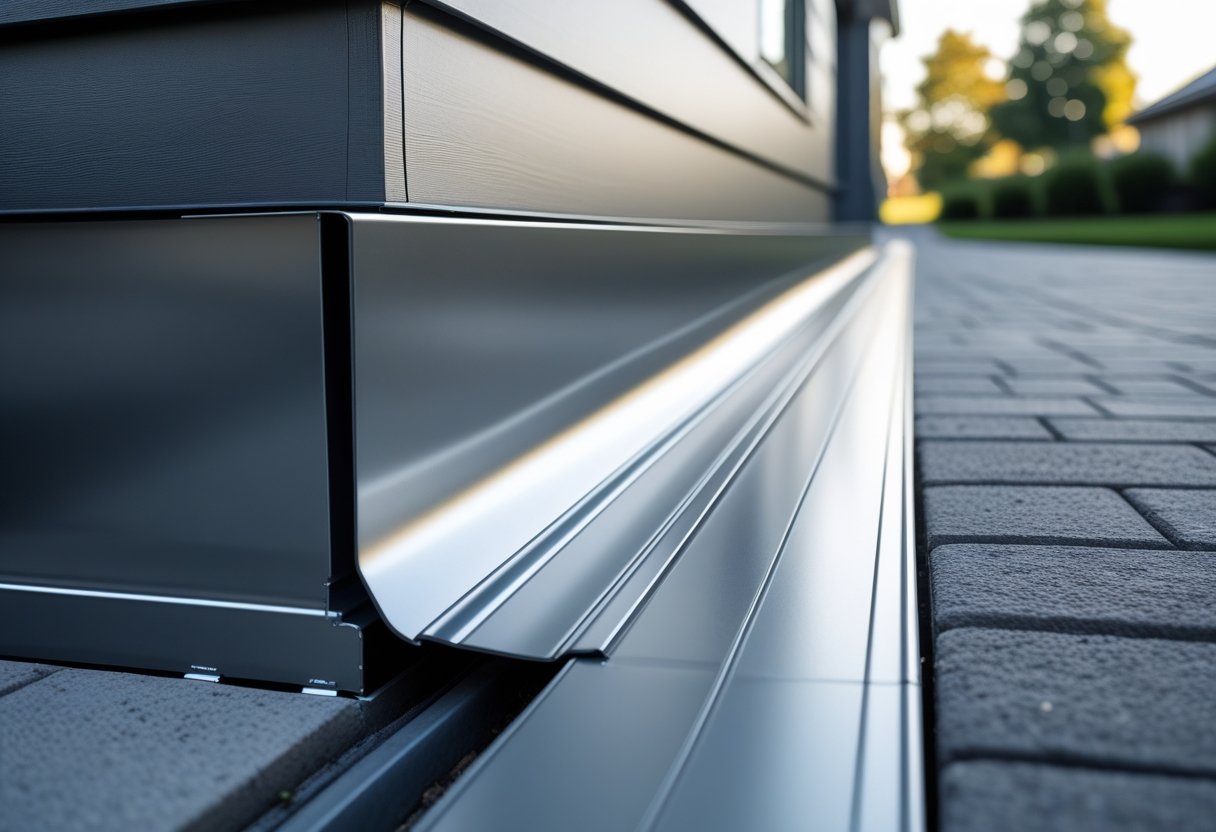
Metal skirting is popular for its ability to combine functionality with style. Available in various colors and finishes, it can mimic other materials like stone or brick, giving your home a high-end look without the high-end price tag (Braustin Homes). It’s a favorite among homeowners who value durability and low upkeep.
Benefits of Metal Skirting
Metal skirting offers a compelling mix of practical and aesthetic advantages. Here’s why it’s worth considering:
Unmatched Durability
Unlike vinyl, which can crack, or wood, which may rot, metal skirting is built to last. It resists harsh weather, from heavy rain to strong winds, and is impervious to pests like termites. For example, Strong Skirt USA uses 29-gauge steel that’s guaranteed against winds up to 100 MPH and comes with a 40-year warranty on its paint coating.
Modern Aesthetic Appeal
Metal skirting gives your mobile home a sleek, contemporary look. With over 20 color options and finishes, you can customize it to match your home’s exterior (Strong Skirt USA). Homeowners often praise its ability to elevate curb appeal, with one customer noting, “Absolutely LOVE my steel skirting! Such a gorgeous upgrade.”
Superior Protection
Metal skirting acts as a robust barrier, keeping rodents, insects, and debris out from under your home. It also helps prevent moisture buildup, reducing the risk of mold and structural damage. This protection is crucial for maintaining your home’s integrity and avoiding costly repairs.
Insulation Potential
While metal itself isn’t an insulator, it can create an enclosed space that, when paired with insulating materials, improves energy efficiency. Research indicates that proper skirting can reduce heating costs by up to 22% by minimizing airflow (DURASKIRT™). This makes metal skirting a smart choice for colder climates.
Low Maintenance
Metal skirting requires minimal upkeep. A quick wash with water and mild detergent keeps it looking new, and it doesn’t need painting or staining like wood. Regular checks for dents or scratches are all it takes to maintain its condition.
Drawbacks of Metal Skirting
No material is perfect, and metal skirting has some limitations to consider:
Heat Retention
Metal can absorb and retain heat, which may increase temperatures under your home in hot climates. This could affect energy efficiency, especially without proper ventilation or air conditioning (Mobile Home Outfitters). Lighter-colored metals can help mitigate this issue.
Risk of Denting or Rusting
While durable, metal skirting can dent if struck by heavy objects like lawnmowers or falling branches. If the protective coating is damaged, rust can develop, particularly in non-galvanized steel. Choosing galvanized or coated metals and performing regular maintenance can minimize these risks (Braustin Homes).
Higher Initial Cost
Metal skirting is pricier than vinyl, with material costs ranging from $700–$2,000 for a single-wide home (Basic Components). However, its longevity and low maintenance often offset the upfront investment over time.
How to Choose the Right Metal Skirting?
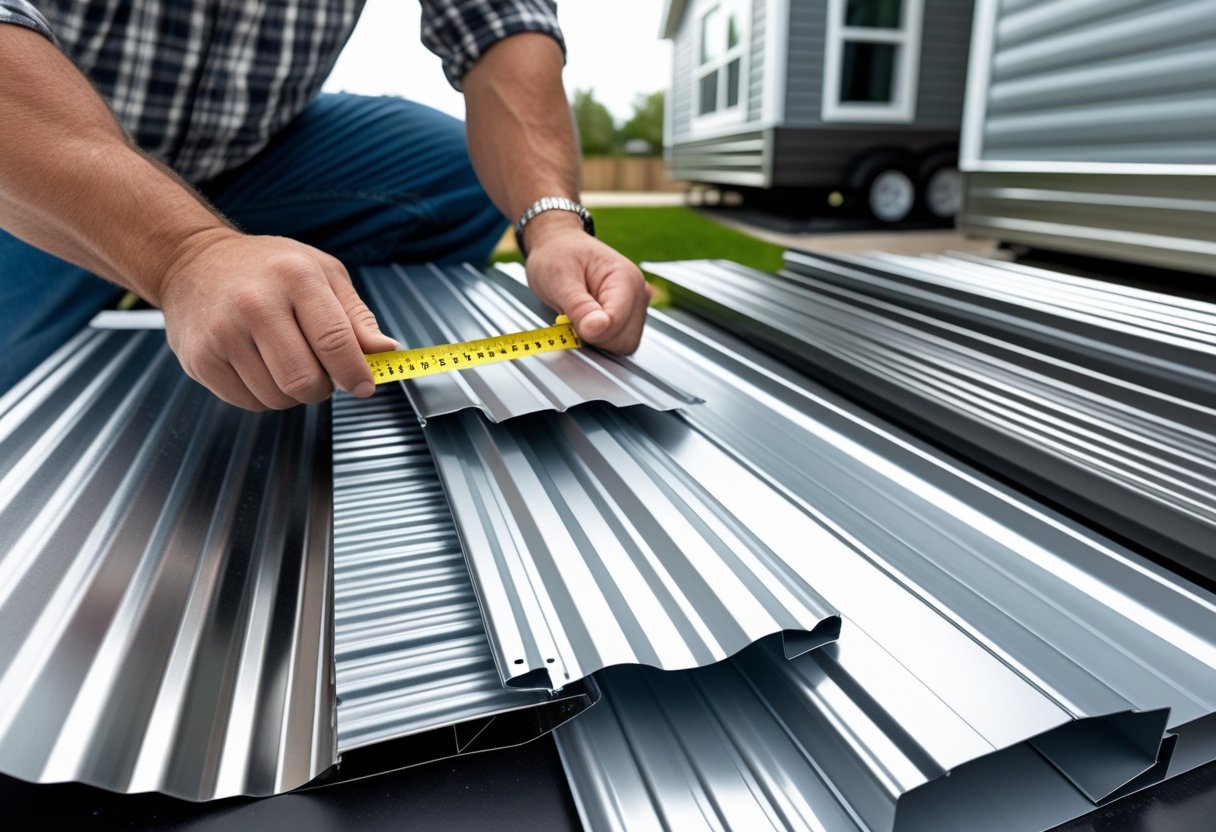
Selecting the best metal skirting involves weighing several factors:
Climate Considerations
Your local weather plays a big role. In humid or coastal areas, opt for aluminum or galvanized steel to resist corrosion. In hot climates, choose lighter colors to reduce heat retention. For extreme weather, steel’s strength is a plus (Riverdale Village).
Budget
Metal skirting’s initial cost is higher than vinyl but comparable to wood or faux stone. Factor in long-term savings from durability and low maintenance. Get quotes from suppliers like Star Supply USA to compare options.
Aesthetic Preferences
Choose a color and finish that complements your home. Some suppliers offer custom designs, allowing you to mimic brick or stone for a premium look (Braustin Homes).
Metal Type
Aluminum is easier to handle and naturally rust-resistant, while steel offers superior strength. Galvanized steel combines durability with rust protection, making it a versatile choice (Northgate Parts).
Table: Comparing Metal Skirting Types
|
Type |
Pros |
Cons |
Best For |
|---|---|---|---|
|
Aluminum |
Lightweight, rust-resistant |
Less strong than steel |
Humid/coastal areas |
|
Steel |
Very strong, durable |
Heavier, may rust without coating |
High-wind or extreme weather |
|
Galvanized Steel |
Rust-resistant, strong |
Slightly more expensive |
Versatile, all climates |
Installation Guide for Metal Skirting
Installing metal skirting can be a rewarding DIY project with the right preparation. Here’s a step-by-step guide based on industry standards (Mobile Home Repair):
Tools and Materials
-
Metal skirting panels (aluminum or steel)
-
J-channel or top track
-
Treated 2x4s for bottom support
-
Self-tapping screws with rubber washers
-
Pea rock or gravel
-
Level, measuring tape, tin snips, drill
-
Plumb bob, mason’s string, wooden stakes
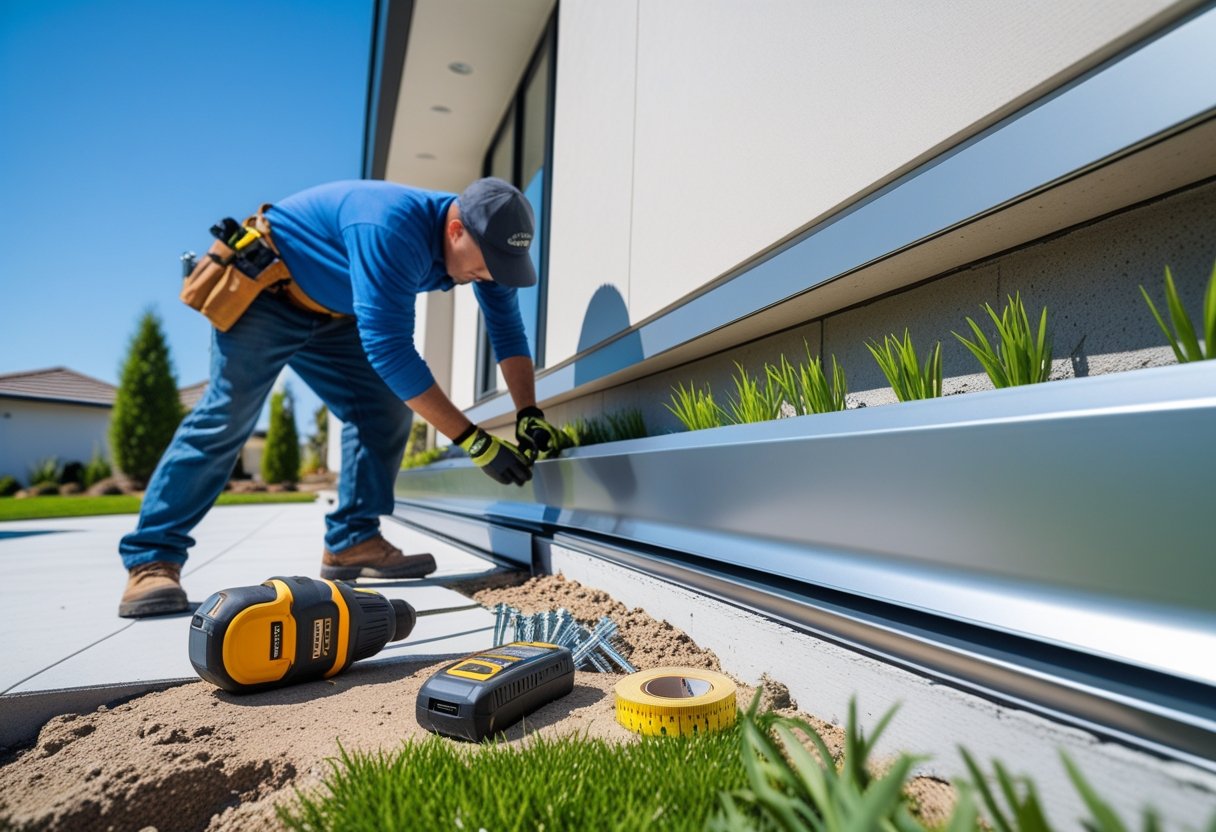
Step-by-Step Process
-
Install Top Track: Secure J-channel 4 inches up from the home’s bottom edge using self-tapping screws. Align with existing siding or snap a chalk line for precision.
-
Mark Bottom Location: Use a plumb bob at each corner to mark points directly below the home’s edge with nails or rebar. Tie a mason’s string around the perimeter and level it.
-
Set Bottom Support: Place treated 2x4s on edge along the string line. Secure with stakes every 4–6 feet, lifting 2x4s 1 inch off the ground with galvanized screws.
-
Prepare Base: Dig a 6-inch-deep trench in front of the 2x4s and fill with 2 inches of pea rock for drainage.
-
Install Panels: Measure and cut metal panels to fit between the top track and bottom support. Insert into the J-channel, secure to 2x4s with screws, and overlap seams.
-
Add Vents and Doors: Cut openings for vents (1 square foot per 150 square feet of floor area) and install access doors for maintenance.
-
Finish Base: Fill the trench with pea rock to deter rodents and stabilize the skirting.
Tip: For uneven lots, adjust panel heights or consult guides like DURASKIRT™ for sloped installations.
Maintenance and Care
Metal skirting is low-maintenance but benefits from regular care:
-
Inspect Regularly: Check for dents, scratches, or rust twice yearly.
-
Clean: Wash with water and mild detergent to remove dirt.
-
Prevent Rust: Sand and apply rust-inhibiting paint to any rust spots.
-
Repair Dents: Use auto body filler for small dents or replace damaged panels.
-
Secure Fasteners: Tighten or replace loose screws.
These steps ensure your skirting remains functional and attractive for decades (Northgate Parts).
Cost Analysis
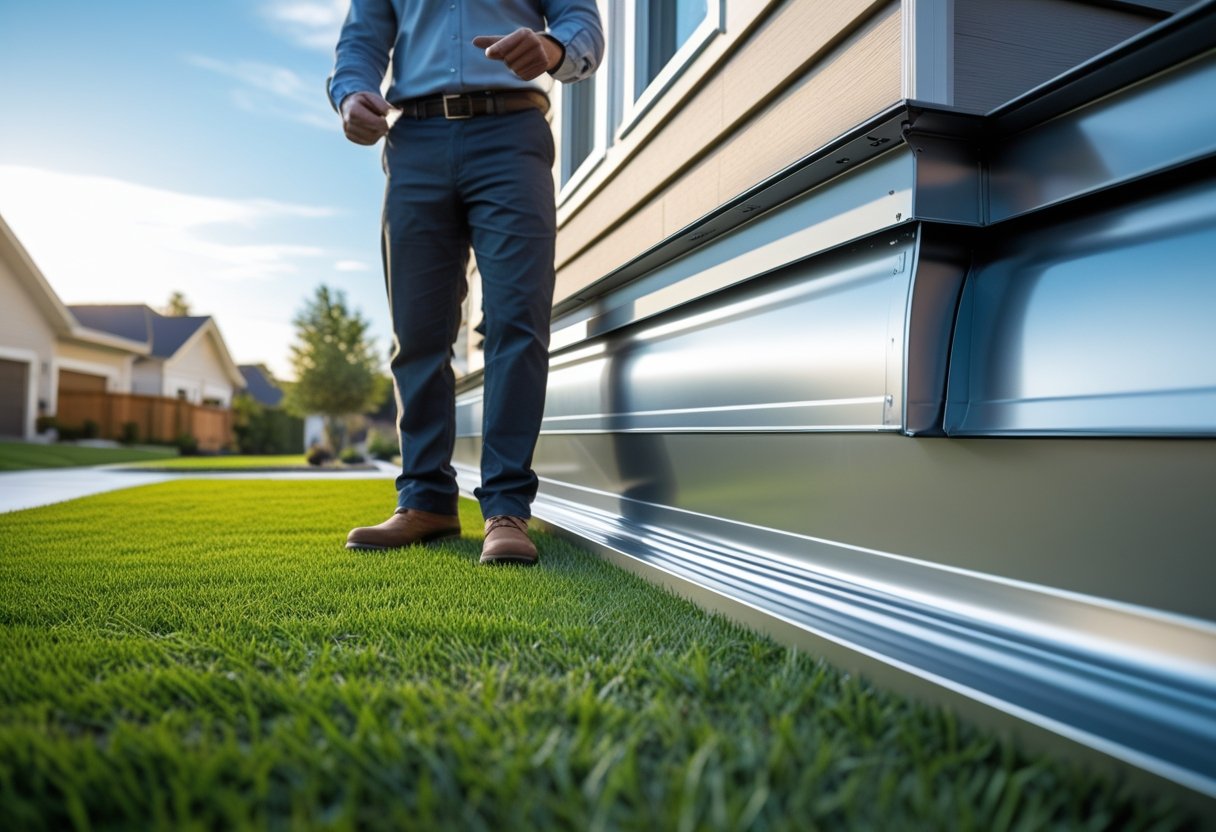
The cost of metal skirting depends on home size, metal type, and installation method:
-
Materials: $700–$2,000 for a single-wide; $1,400–$4,000 for a double-wide (Basic Components).
-
Labor: Professional installation adds $500–$1,500, depending on complexity.
-
Comparison: Vinyl costs $400–$1,200 for a single-wide, while wood or faux stone ranges from $700–$3,000. Metal’s higher upfront cost is offset by its longevity.
Table: Cost Comparison of Skirting Materials
|
Material |
Single-Wide Cost |
Double-Wide Cost |
Longevity |
|---|---|---|---|
|
Metal |
$700–$2,000 | $1,400–$4,000 |
20+ years |
|
Vinyl |
$400–$1,200 | $800–$2,000 |
10–15 years |
|
Wood |
$700–$2,000 | $1,400–$4,000 |
5–10 years |
|
Faux Stone |
$1,000–$3,000 | $2,000–$6,000 |
15–20 years |
Use tools like Mobile Home Outfitters’ Skirting Calculator for precise estimates.
Real-World Examples
Homeowners who choose metal skirting often rave about its impact. At Strong Skirt USA, customers share glowing reviews: “Installation looks great, and the quality is top-notch,” said one, while another called it “a gorgeous upgrade.” These stories highlight metal skirting’s ability to transform mobile homes while providing lasting protection.
Consider Jane, a hypothetical homeowner in Texas. She replaced her old vinyl skirting with galvanized steel after noticing cracks from windstorms. The new skirting not only survived a harsh summer but also gave her home a modern look, boosting its resale value. Such examples show why metal is a wise investment.
Conclusion: Is Metal Skirting Right for You?
Metal skirting offers a compelling blend of durability, style, and protection for mobile home owners. Its ability to withstand weather, deter pests, and enhance curb appeal makes it a standout choice, despite a higher initial cost and potential heat retention in warm climates. By choosing the right metal—aluminum for rust resistance or galvanized steel for strength—and following proper installation and maintenance, you can enjoy these benefits for decades.
Take the next step by measuring your home’s perimeter and exploring options from suppliers like Star Supply USA or Mobile Home Outfitters. Whether you DIY or hire a pro, metal skirting is an investment in your home’s future. Reflect on your climate, budget, and style preferences to decide if it’s the perfect fit.
FAQ
-
What is the best material for mobile home skirting?
Metal is ideal for durability and low maintenance, but vinyl is cheaper, and faux stone offers a premium look. Choose based on your needs (Northgate Parts). -
How much does metal skirting cost?
Expect $700–$2,000 for a single-wide and $1,400–$4,000 for a double-wide, plus $500–$1,500 for professional installation (Basic Components). -
Can I install metal skirting myself?
Yes, with tools like tin snips and a level, following guides like Mobile Home Repair. Professionals are recommended for uneven lots. -
Does metal skirting rust?
Non-galvanized steel may rust if the coating is damaged. Galvanized or aluminum options are rust-resistant with proper care (Braustin Homes). -
Is metal skirting better than vinyl?
Metal is more durable and longer-lasting but costs more upfront. Vinyl is budget-friendly but less resilient (Mobile Home Outfitters).


