
How To Prevent Dog Urine Damage On Concrete And Patio Surfaces

Your concrete patio and outdoor surfaces don’t have to become permanent victims of your dog’s bathroom habits. Dog urine contains acids and salts that eat away at concrete, stone, and other patio materials, leaving behind ugly stains, strong odors, and expensive damage that gets worse over time.
This guide is for dog owners who want to protect their outdoor investments while keeping their furry friends happy. You’ll learn how dog urine actually damages concrete and patio surfaces at the chemical level, plus get proven immediate response techniques that stop fresh accidents from becoming permanent problems. We’ll also cover protective coating solutions that create barriers against future damage, and simple training strategies to redirect your dog’s bathroom habits away from your beautiful outdoor spaces.
Understanding How Dog Urine Damages Concrete and Patio Surfaces
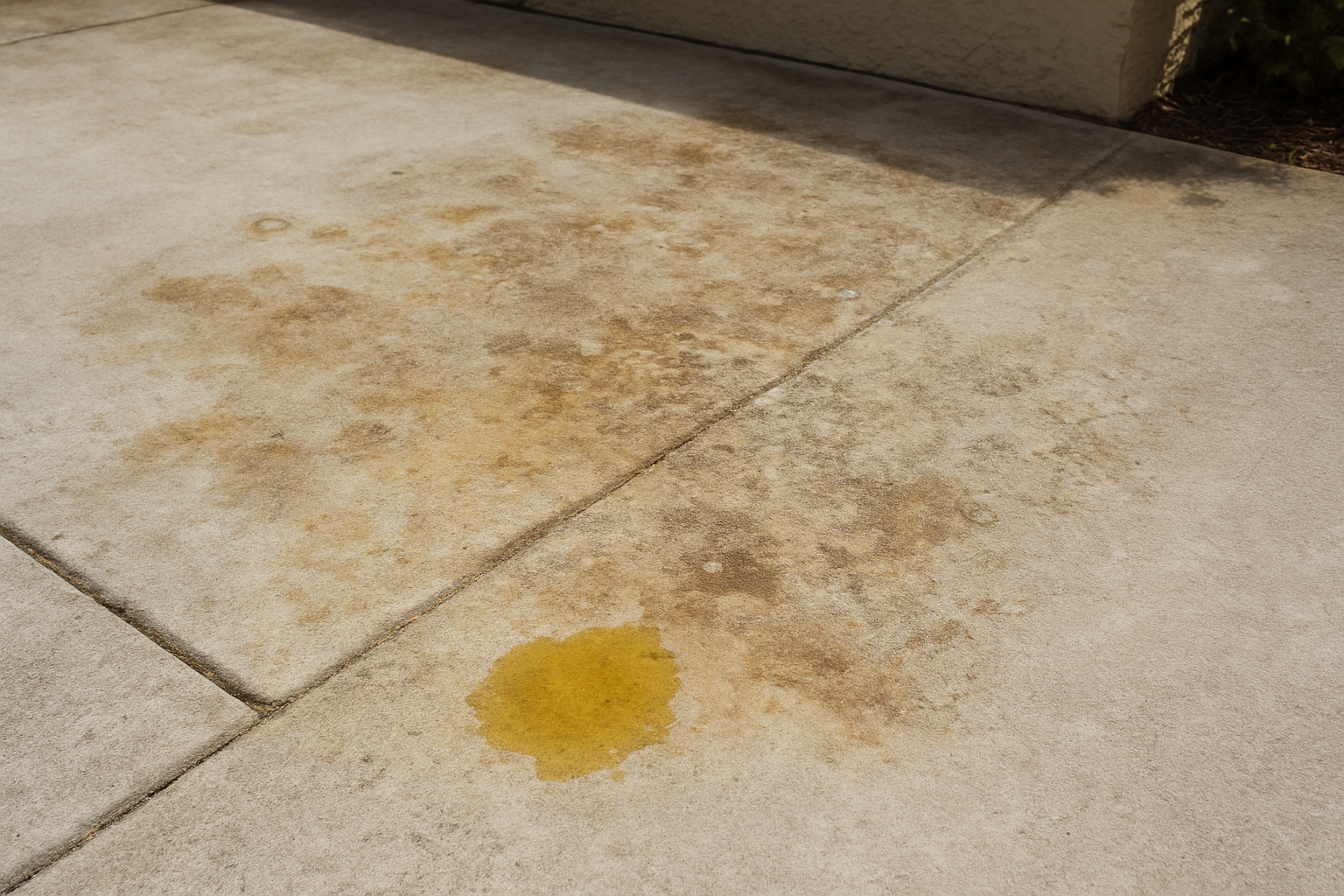
Chemical composition of dog urine and its corrosive effects
Your dog’s urine contains high levels of nitrogen, urea, and salts that create an acidic solution with a pH between 6.0-7.5. These compounds break down into ammonia over time, creating alkaline conditions that eat away at concrete’s calcium compounds. The salt content draws moisture from the air, keeping surfaces damp and accelerating chemical reactions that weaken your patio’s structure.
You Might Also Love These Ideas


Why concrete and stone surfaces are vulnerable to urine damage
Your concrete and stone surfaces have tiny pores that soak up liquids like a sponge. Once urine seeps into these microscopic openings, it crystallizes and expands, creating internal pressure that causes cracks and surface deterioration. The alkaline nature of aged urine reacts directly with concrete’s lime-based binder, dissolving the material that holds everything together. Your sealed surfaces offer better protection, but even small chips or wear spots become entry points for damage.
Long-term consequences of untreated urine exposure
Without quick action, your concrete develops permanent staining that penetrates deep below the surface. You’ll notice white chalky deposits (efflorescence) as salts push through the concrete, followed by spalling where chunks of surface material flake off. Over months and years, repeated exposure creates structural weakness, making your patio prone to cracking and crumbling. The embedded odor becomes nearly impossible to remove, creating a cycle where your dog continues targeting the same damaged areas.
Immediate Response Techniques for Fresh Urine Accidents
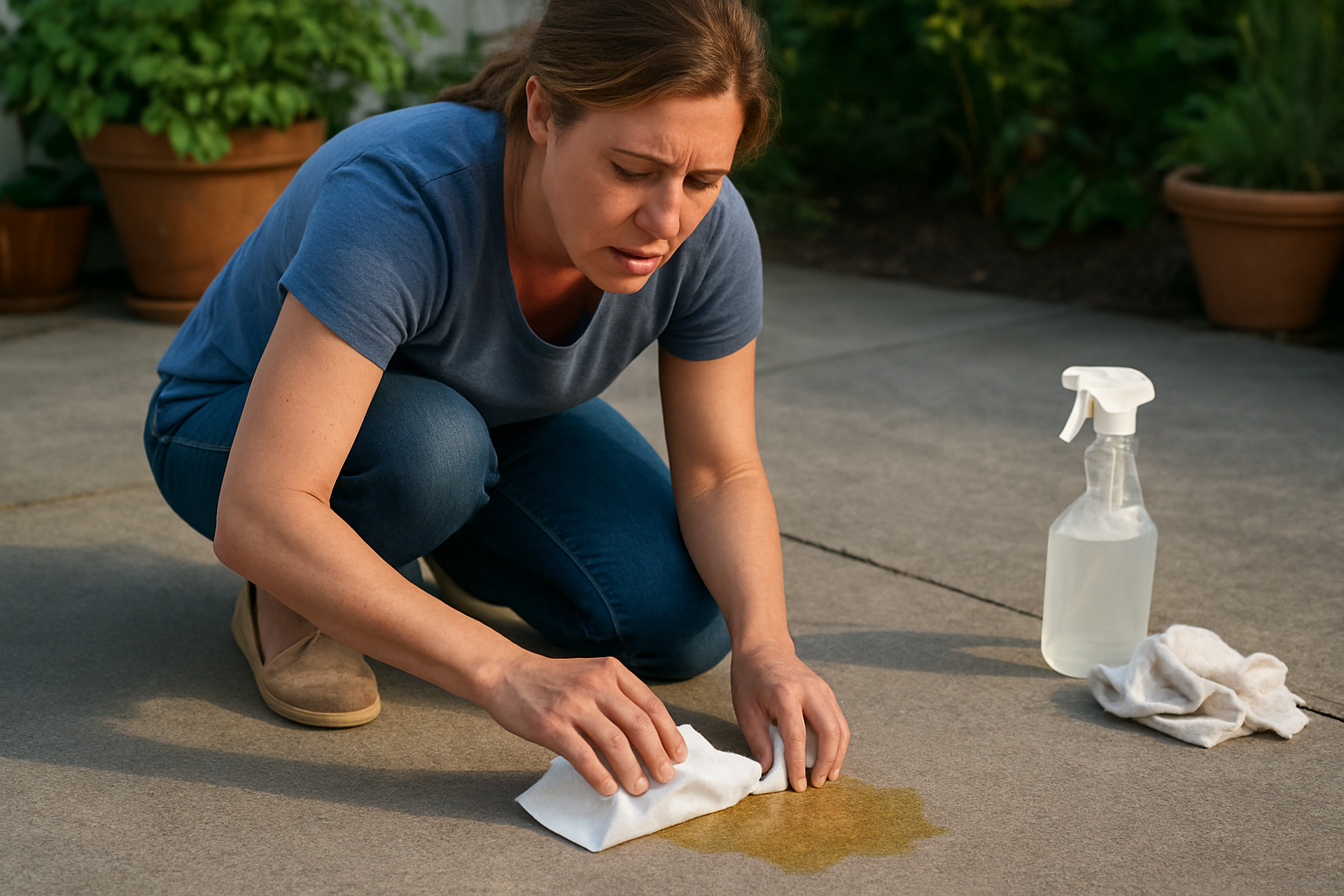
Quick Dilution Methods Using Water and Natural Solutions
When you catch a fresh urine accident, immediately flood the area with cold water to dilute the acids before they penetrate deeper into your concrete or patio surface. Mix equal parts white vinegar and water in a spray bottle for an effective natural solution that breaks down uric acid crystals. Baking soda paste works wonders too – create a thick mixture and let it sit for 15 minutes before scrubbing. The faster you dilute, the better your chances of preventing permanent damage and odor absorption.
Safe Cleaning Products That Neutralize Urine Acids
Choose enzymatic cleaners specifically designed for pet urine since they actually break down the organic compounds rather than just masking odors. Avoid bleach or ammonia-based products, as these can react dangerously with urine and may encourage repeat accidents. Look for cleaners containing protease and urease enzymes on the label. Simple dish soap mixed with warm water also neutralizes acids effectively without harsh chemicals that could damage your surface finishes.
Proper Blotting and Absorption Techniques
Start blotting from the outside edges of the wet area and work inward to prevent spreading the urine further across your surface. Use clean, absorbent materials like paper towels or old rags, applying firm pressure without rubbing. Replace your blotting material frequently to avoid redistributing the mess. For porous surfaces, place several layers of absorbent material over the spot and weigh them down with a heavy object for maximum liquid extraction.
Time-Sensitive Actions to Prevent Permanent Staining
You have roughly 10-15 minutes before urine begins causing permanent discoloration and odor issues on most concrete and patio surfaces. Act immediately by diluting the area, then follow up with proper cleaning within the first hour. Temperature matters – hot weather accelerates the staining process, so work even faster on sunny days. Document the location if you can’t clean immediately, and return with proper supplies as soon as possible to minimize long-term damage.
Protective Coating Solutions for High-Traffic Areas
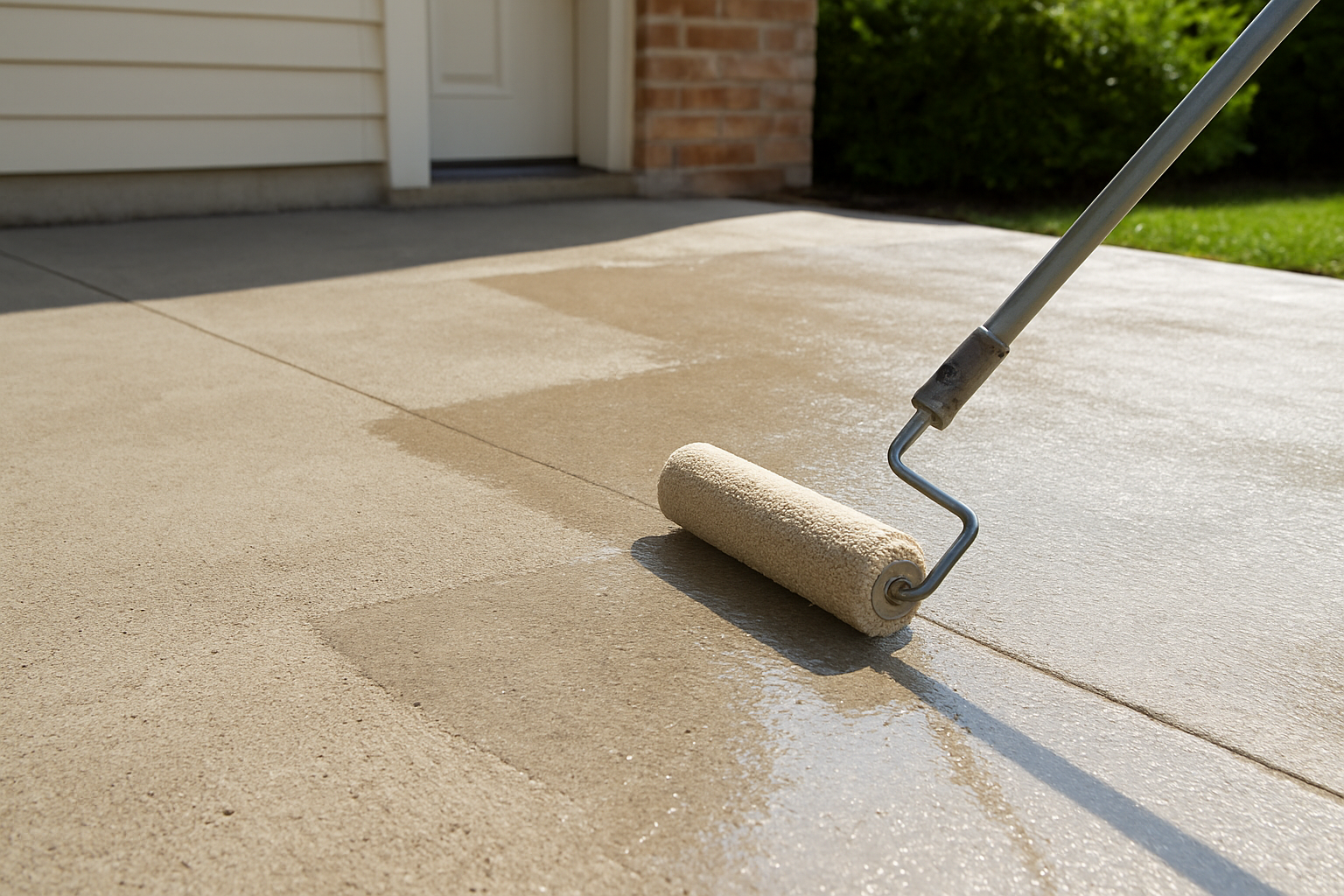
Sealers specifically designed for pet-friendly outdoor spaces
Your concrete and patio surfaces need specialized sealers that can handle acidic dog urine while remaining safe for your pet’s paws. Acrylic-based sealers with anti-bacterial properties create a protective barrier that prevents urine from penetrating deep into porous surfaces. Look for non-toxic, water-based formulas that won’t release harmful chemicals when your dog walks across them. These pet-safe sealers typically need reapplication every 2-3 years depending on traffic levels and weather exposure.
Natural barrier treatments that repel moisture
You can protect your surfaces using plant-based treatments that naturally repel liquids without harsh chemicals. Penetrating sealers made from soy or citrus extracts soak into concrete pores, creating a hydrophobic layer that causes urine to bead up rather than absorb. These eco-friendly options work especially well on stamped concrete and natural stone patios. Apply these treatments during dry weather for maximum penetration, and expect to recoat annually for consistent protection against moisture damage.
Professional-grade protective coatings for maximum durability
When you need industrial-strength protection, epoxy and polyurethane coatings offer the highest resistance to chemical damage from pet waste. These two-part systems create an impermeable surface that withstands constant exposure to acidic urine while maintaining slip resistance for safety. Professional installation ensures proper surface preparation and curing, giving you a coating that can last 5-7 years in high-traffic areas. The initial investment pays off through reduced maintenance and protection against permanent staining or surface deterioration.
Training Strategies to Redirect Your Dog’s Bathroom Habits
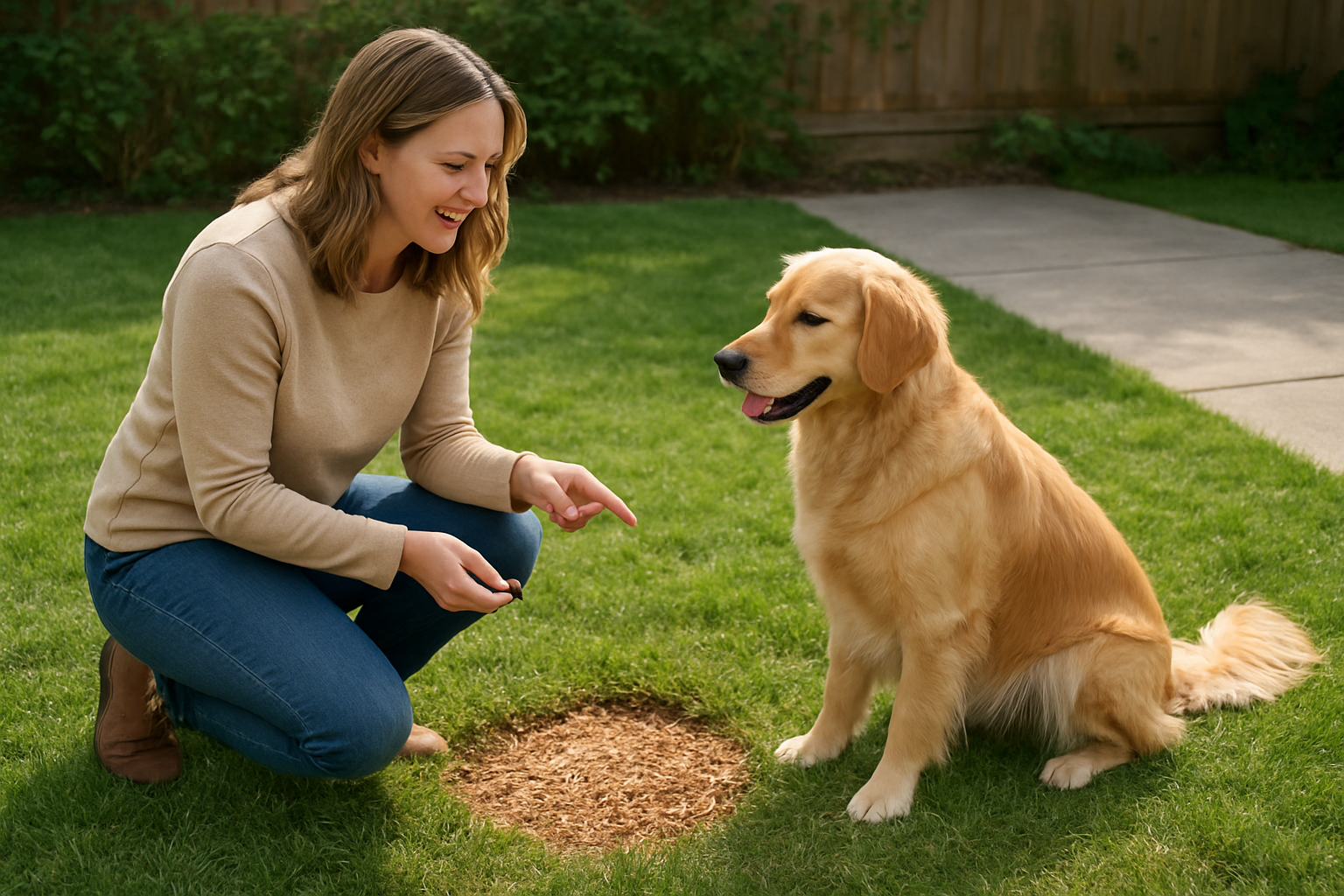
Designated Potty Areas Away from Concrete Surfaces
Choose a specific spot in your yard that’s at least 10-15 feet away from your concrete patio or walkways. Pick an area with natural drainage and easy cleanup access. Mark this zone with visual cues like small flags or decorative stones so you can consistently guide your dog there. Make sure the designated area has soft ground like grass or dirt, which feels more natural under your dog’s paws than hard surfaces.
Positive Reinforcement Techniques for Outdoor Training
Carry high-value treats every time you take your dog outside for potty breaks. The moment your dog starts to eliminate in the correct area, say “good potty” in an excited voice and immediately reward them with treats and praise. Keep treats in a container near your door so you never forget them. Time your praise perfectly – reward during the act, not after they’re finished. Your enthusiastic response creates a positive association with using the designated spot instead of your concrete surfaces.
Creating Attractive Alternatives Using Gravel or Mulch Zones
Install a 4×4 foot area of pea gravel or wood mulch in your chosen potty zone. Dogs often prefer these textures because they provide better drainage and absorb odors naturally. Surround the area with landscape edging to keep materials contained. Replace mulch every few months to maintain freshness and appeal. Some dogs prefer gravel because it doesn’t stick to their paws like mulch can. Test both options to see which your dog gravitates toward naturally.
Consistency Methods That Establish New Bathroom Routines
Take your dog to the designated area at the same times daily – first thing in the morning, after meals, and before bed. Use the same route to get there and the same command phrase like “go potty.” Stay with your dog until they eliminate, even if it takes 10-15 minutes initially. Don’t let them wander back toward concrete areas until they’ve used the correct spot. When accidents happen on concrete, clean thoroughly with an enzyme cleaner to remove scent markers that might draw them back to that location.
Natural Deterrent Methods to Keep Dogs Away from Surfaces
Safe scent-based repellents that dogs naturally avoid
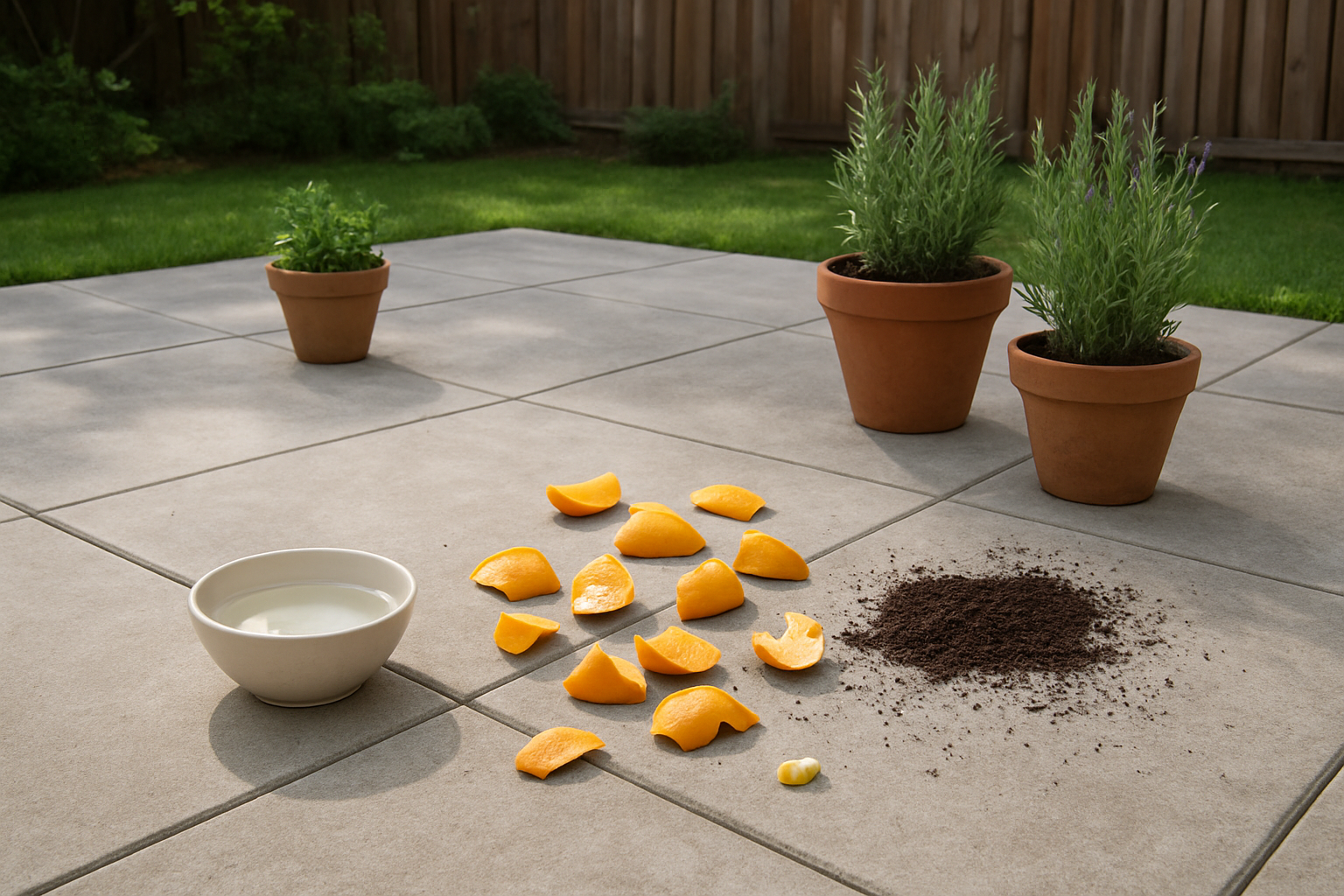
Citrus peels scattered around your concrete and patio surfaces work like magic. Dogs hate the smell of orange, lemon, and grapefruit rinds. White vinegar mixed with water creates another powerful deterrent when sprayed on problem areas. Coffee grounds provide double duty – they repel dogs while adding nutrients to nearby plants. Essential oils like eucalyptus and peppermint keep dogs away, but always dilute them properly to avoid overwhelming scents that might irritate sensitive noses.
Physical barriers and landscaping modifications
Strategic placement of decorative rocks or gravel creates natural boundaries that discourage bathroom visits. Low hedges and thorny plants like rose bushes form attractive barriers while protecting your surfaces. Raised planters redirect your dog’s attention to appropriate areas. Installing decorative fencing around patios gives you control without blocking views. Motion-sensitive sprinkler heads surprise dogs with water bursts, teaching them to avoid treated zones. Solar-powered units require no wiring and activate automatically when movement is detected.
Motion-activated deterrent devices for problem areas
Ultrasonic devices emit high-frequency sounds that only dogs can hear, creating invisible boundaries around your concrete surfaces. These battery-powered units detect movement and deliver harmless but effective audio deterrents. Combine multiple devices for larger areas, positioning them at dog eye-level for maximum impact. Most units offer adjustable sensitivity settings, letting you customize protection based on your dog’s size and behavior patterns.


