
What A Porch Potty Setup Looks Like (Pros, Cons, And Costs)

Your dog needs a bathroom solution, but you’re tired of rushing outside every few hours or dealing with accidents indoors. A porch potty setup could be your answer – it’s basically a designated outdoor toilet area on your porch, balcony, or patio that gives your furry friend 24/7 bathroom access.
This guide is perfect for apartment dwellers, busy pet parents, senior dog owners dealing with mobility issues, and anyone who wants more flexibility in their daily routine. You’ll discover exactly what goes into a porch potty system and get a realistic look at the setup process from start to finish.
We’ll break down the real advantages you can expect, like never missing another elevator ride because your dog suddenly needs to go. You’ll also learn about the potential downsides – because let’s be honest, outdoor dog toilets aren’t magic solutions for everyone. Finally, we’ll give you the complete cost breakdown so you know exactly what you’re getting into budget-wise before you start shopping.
Understanding Porch Potty Systems and Components
You Might Also Love These Ideas


What constitutes a complete porch potty setup
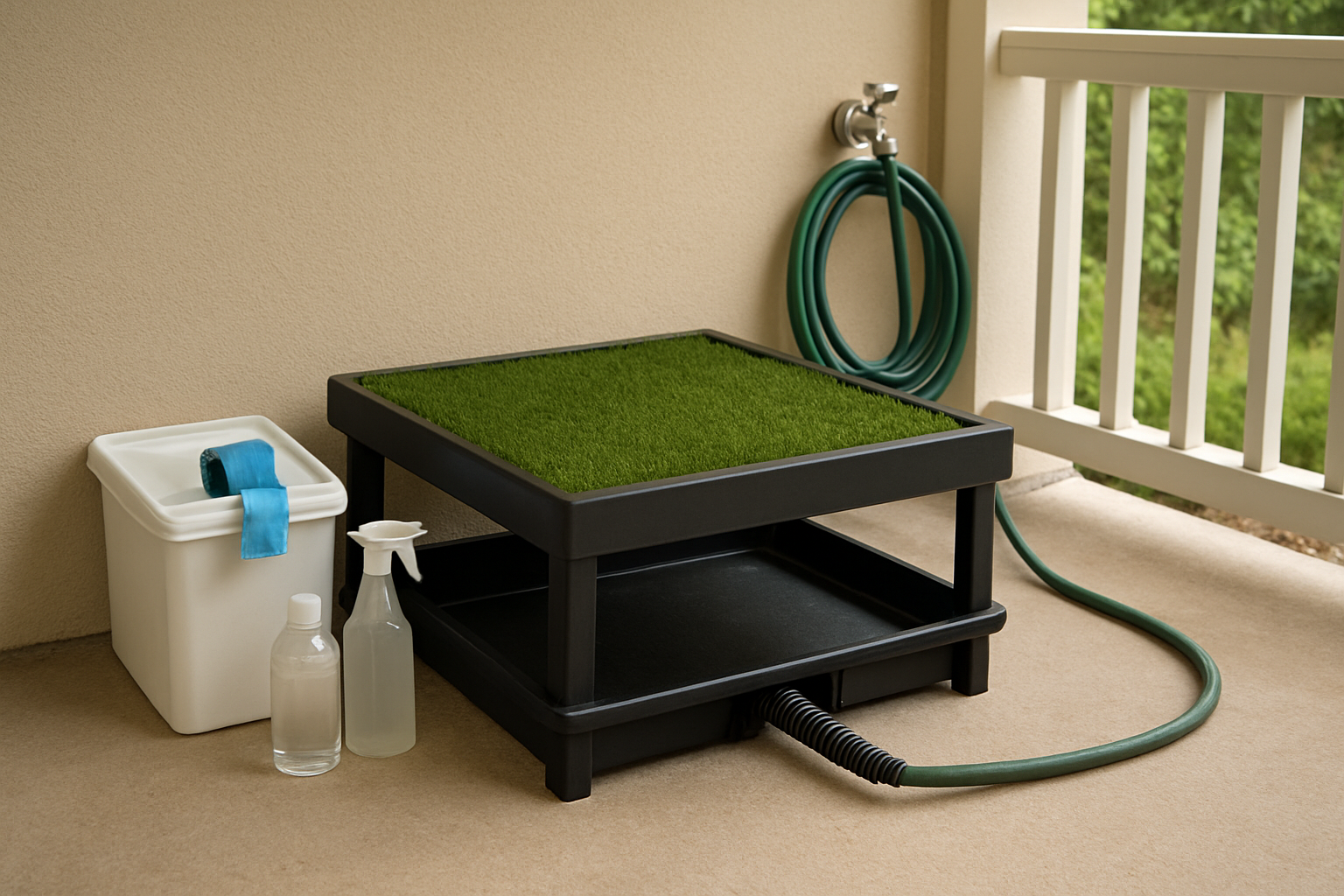
Your porch potty system consists of several key components working together to create a functional outdoor bathroom for your dog. The foundation includes a drainage tray or platform, artificial grass or absorbent material, and proper containment walls. You’ll also need cleaning supplies, waste disposal tools, and weatherproof housing to protect the system from elements while maintaining hygiene standards for your pet.
Essential equipment and accessories needed
You need a waterproof base tray measuring at least 24×36 inches for small dogs or larger for bigger breeds. Pick up high-quality artificial turf with antimicrobial properties, plus a drainage system connecting to your home’s plumbing or a removable waste tray. Don’t forget cleaning brushes, pet-safe disinfectant, waste bags, and a hose attachment for regular maintenance. Weather barriers like railings or screens help contain the area.
Different types of porch potty systems available
Drainage Systems:
- Plumbed units – Connect directly to your home’s sewage system
- Collection tray models – Feature removable trays you empty manually
- Absorbent pad systems – Use disposable pads requiring frequent replacement
Surface Options:
- Artificial grass – Mimics natural lawn texture
- Grated platforms – Allow waste to fall through for easy cleanup
- Hybrid combinations – Mix grass with drainage grates
Space requirements for optimal functionality
Your porch potty needs minimum dimensions based on your dog’s size. Small dogs require 2×3 feet, medium dogs need 3×4 feet, and large breeds work best with 4×5 feet or bigger. Allow extra room around the potty for your dog to turn around comfortably. Consider ceiling height if you’re installing overhead protection – your dog should stand naturally without feeling cramped or confined.
Step-by-Step Setup Process for Maximum Success
Choosing the ideal location on your porch or balcony
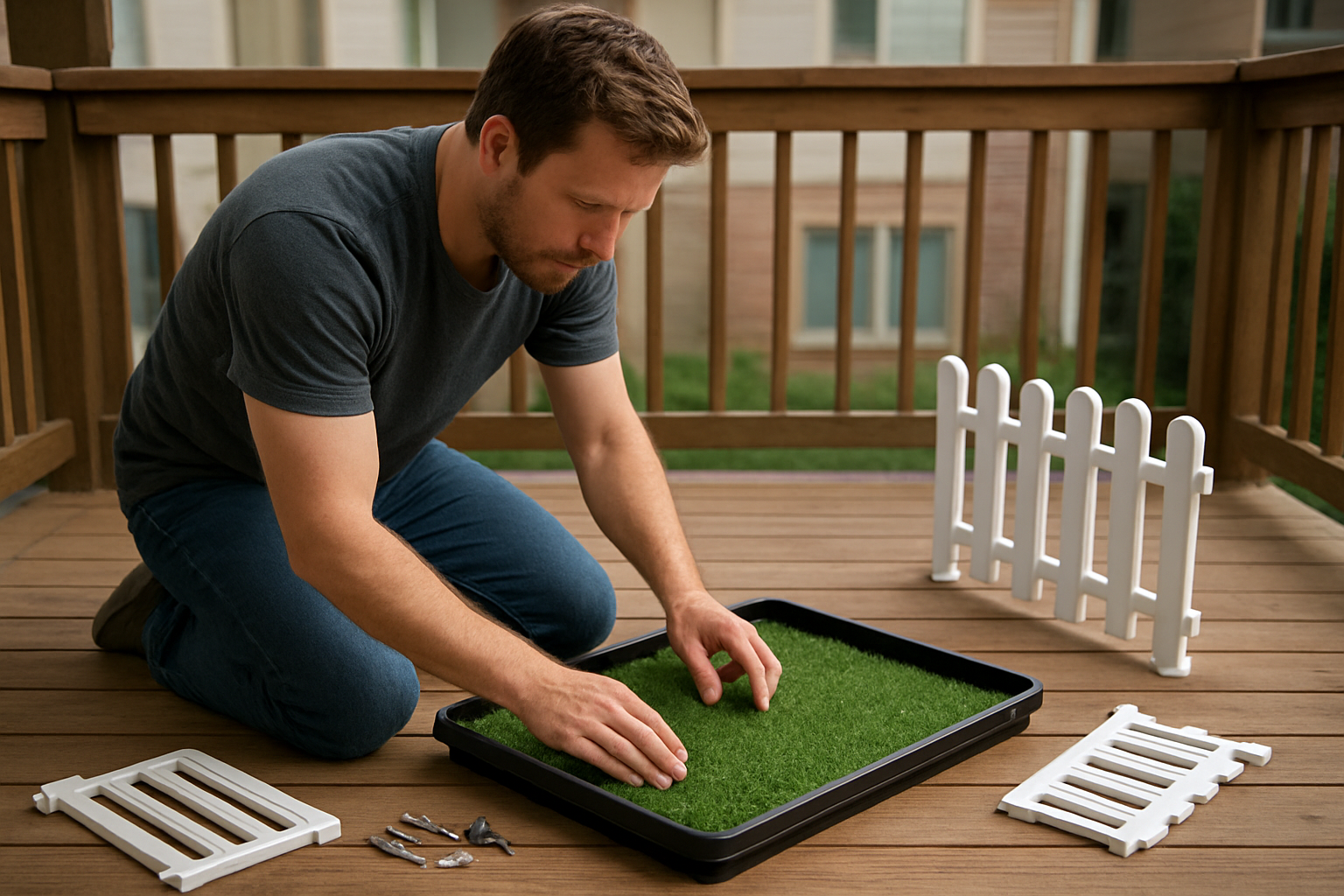
Pick a spot that’s easily accessible but away from high-traffic areas where you walk frequently. Your dog needs privacy and comfort, so avoid corners with heavy foot traffic or where outdoor furniture might block access. Look for an area with some shelter from rain and direct sunlight, ideally near a wall or railing that provides natural boundaries. Make sure you can reach the spot easily for daily cleaning and maintenance without disturbing your dog’s routine.
Proper installation and drainage considerations
Set up your porch potty on a level surface to prevent waste from pooling in one area. Install a slight slope toward the drainage system if your setup includes automatic flushing features. Place waterproof mats underneath to protect your porch flooring from moisture damage. Connect any plumbing components according to manufacturer instructions, ensuring all joints are sealed properly. Test the drainage system thoroughly before introducing your dog to prevent backup issues that could create unsanitary conditions.
Training your dog to use the new system effectively
Start by placing your dog on the porch potty during their regular bathroom times, using the same command words you’ve established for outdoor potty breaks. Reward successful attempts immediately with treats and praise to create positive associations with the new location. Keep your dog’s regular schedule consistent while gradually increasing the time between indoor and outdoor bathroom opportunities. Be patient during the transition period, as most dogs need several weeks to fully adapt to using an artificial grass or alternative surface system.
Key Advantages of Installing a Porch Potty
Convenience for apartment and high-rise living
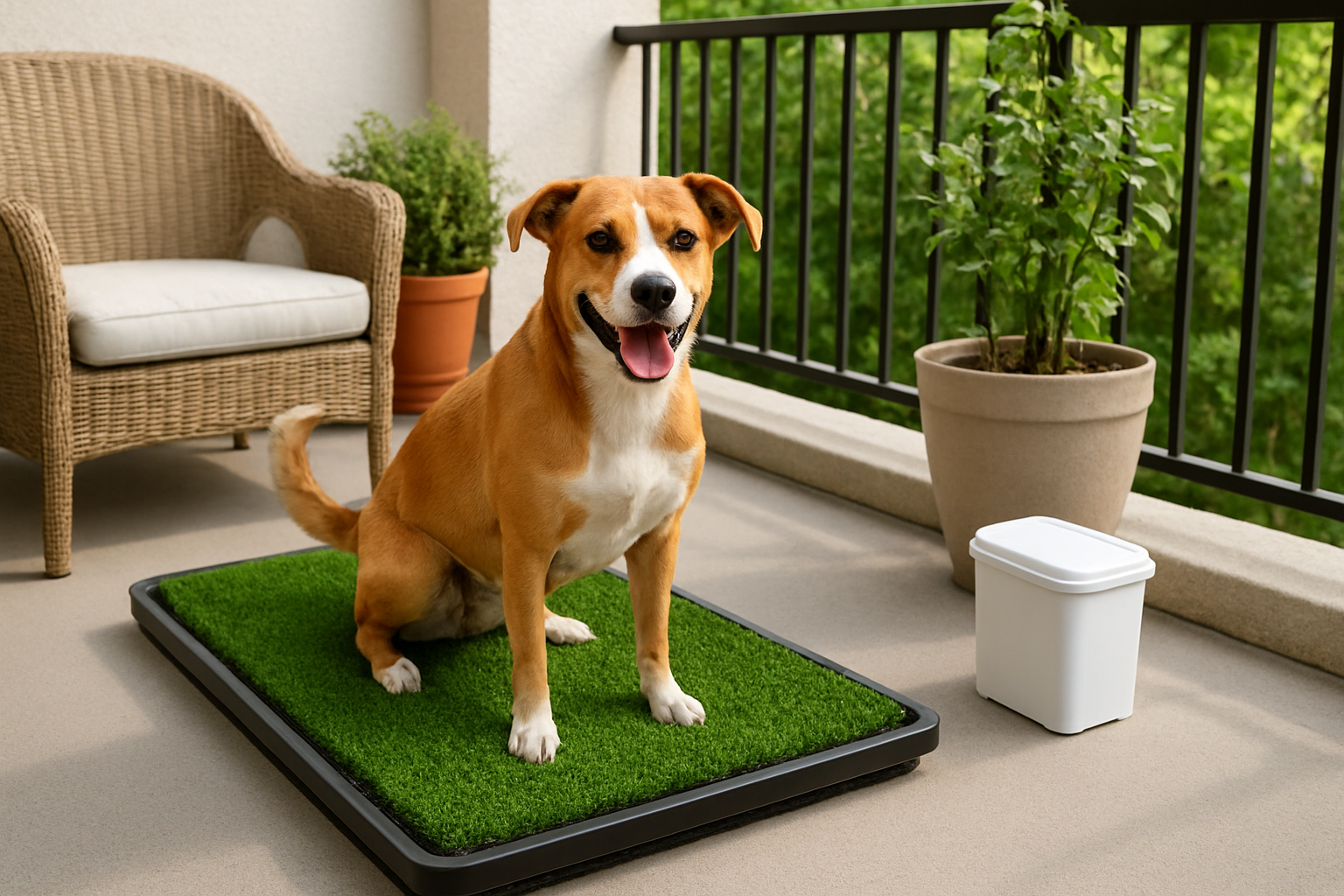
Your apartment lifestyle becomes much easier when you don’t need to rush downstairs every few hours for potty breaks. You’ll skip the elevator waits, avoid disturbing neighbors during late-night walks, and give your dog immediate relief without the stress of finding appropriate outdoor spots in busy urban areas.
Weather protection and year-round usability
Your dog stays comfortable regardless of storms, snow, or extreme temperatures outside. You won’t need to bundle up for midnight potty runs or worry about your pet getting soaked in heavy rain. This consistent option works perfectly during heat waves when pavement burns paws or winter nights when ice makes walking dangerous.
Reduced dependency on outdoor walks
You gain flexibility in your daily schedule without compromising your dog’s needs. Your pet can relieve themselves when nature calls, even if you’re stuck in meetings or running late. This backup option reduces anxiety about being away longer than planned and gives you peace of mind during busy periods.
Cleanliness and odor control benefits
Your living space stays fresher with proper drainage and easy cleanup systems. You’ll find maintenance straightforward with washable artificial grass and built-in waste collection areas. The contained environment prevents tracking mud, dirt, or outdoor contaminants into your home while keeping unpleasant smells under control with regular cleaning routines.
Independence for elderly or mobility-challenged owners
Your physical limitations won’t prevent you from caring for your dog properly. You’ll avoid difficult stairs, long walks, or challenging weather conditions that might cause falls or strain. This setup lets you maintain your pet’s routine without relying on others for help, preserving both your independence and your dog’s consistent care schedule.
Common Drawbacks and Challenges to Consider
Initial Training Difficulties and Adjustment Period
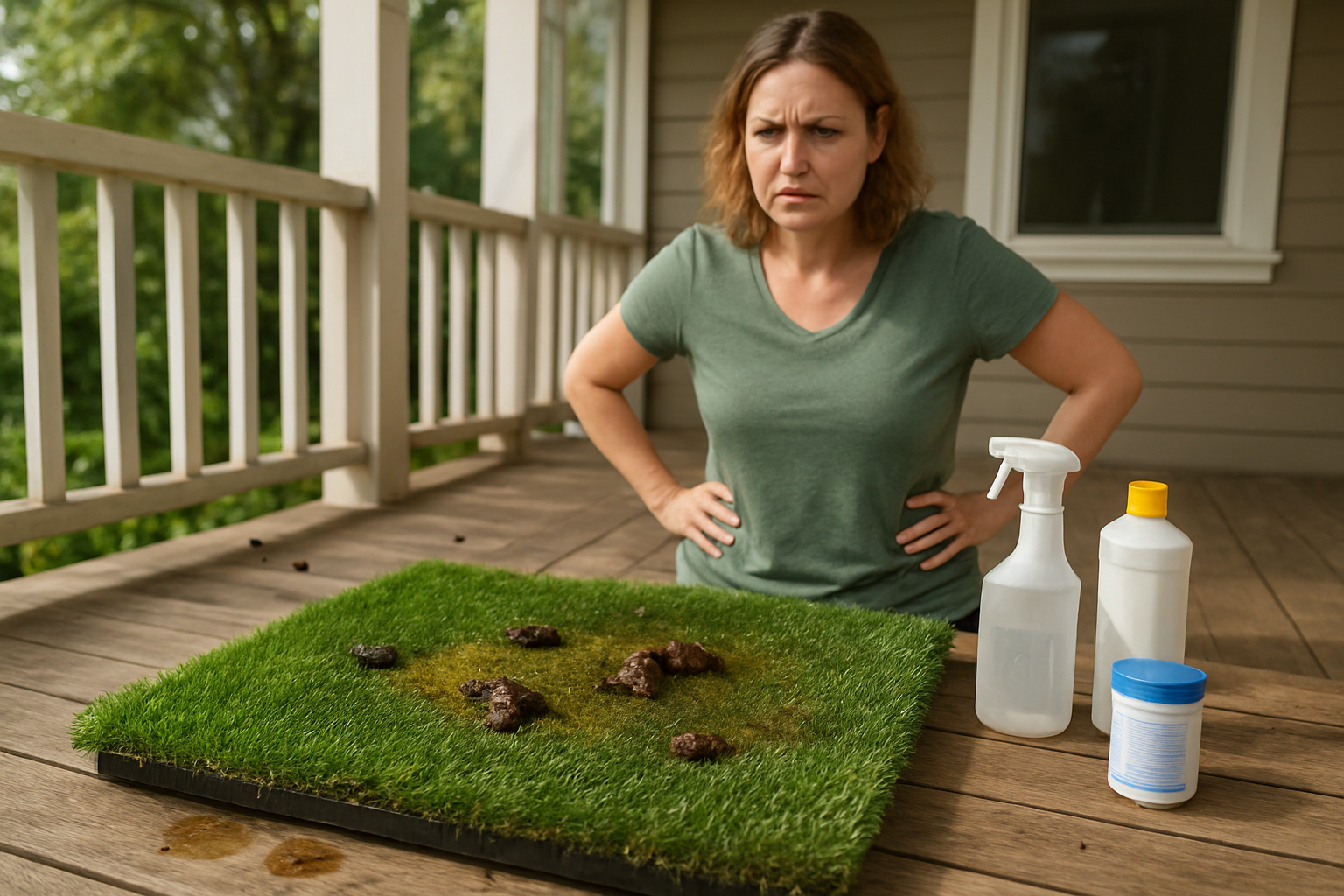
Your dog will likely struggle with the concept initially, especially if they’re accustomed to grass surfaces. Expect accidents and confusion during the first few weeks as your pet learns to associate the artificial turf with bathroom time. Some dogs may resist using the porch potty altogether, requiring patience and consistent positive reinforcement. The transition period can be particularly challenging for older dogs who have established outdoor routines.
Maintenance Requirements and Cleaning Responsibilities
You’ll need to clean the system daily to prevent odors and maintain hygiene. This includes rinsing the turf, emptying drainage trays, and replacing absorbent materials regularly. The artificial grass requires weekly deep cleaning with pet-safe disinfectants, and you’ll need to replace worn components every few months. Weather exposure means more frequent maintenance, especially during rainy seasons when moisture can lead to bacterial growth and unpleasant smells.
Limited Suitability for Larger Dog Breeds
Your large breed dog may find standard porch potty systems too small for comfortable use. Most units are designed for dogs under 50 pounds, leaving bigger pets feeling cramped or unstable. The weight capacity of many systems can’t handle heavy dogs, potentially leading to damage or safety concerns. Large dogs also produce more waste, overwhelming the system’s drainage and absorption capabilities, requiring more frequent cleaning and potentially custom-sized solutions.
Complete Cost Breakdown and Budget Planning

Initial purchase prices for different system types
Basic porch potty systems start around $50-100 for simple grass pad setups, while premium artificial turf models with drainage systems run $150-300. High-end automatic systems with waste disposal features can cost $400-800. DIY options using storage containers and artificial grass keep costs under $30 but require more setup work.
Ongoing maintenance and replacement expenses
You’ll spend $15-25 monthly replacing grass pads or cleaning supplies for artificial turf systems. Drainage maintenance costs roughly $50-75 annually, while replacement turf sections run $30-60 every 6-12 months depending on usage. Automatic systems need specialized cleaning solutions costing $20-40 quarterly, plus occasional repairs averaging $100-200 yearly.
Cost comparison with traditional potty solutions
Traditional outdoor potty training costs virtually nothing beyond cleanup supplies, but porch potties offer convenience worth the investment. Dog walking services cost $20-40 daily, making a $200 porch potty system pay for itself within weeks. Doggy daycare runs $30-60 per day, while porch potties provide 24/7 access for a fraction of ongoing costs.
Long-term value and return on investment
Your porch potty investment typically pays off within 2-6 months through reduced cleanup time, carpet protection, and peace of mind. Property damage from accidents can cost hundreds in cleaning or replacement, making the upfront system cost worthwhile. Quality systems last 3-5 years with proper maintenance, averaging just $5-15 monthly when calculated over their lifespan.


