
10 Stair Skirting Ideas to Transform Your Home

Have you ever walked into a home and been struck by how a staircase seems to tie the whole space together? It’s often the subtle details, like stair skirting, that create that polished, inviting look. Picture this: you’re moving furniture up your stairs, and instead of worrying about scuffing the walls, you’re confident they’re protected by a beautifully designed skirt board. That’s the magic of stair skirting—it’s both practical and stylish.
Stair skirting, or skirt boards, is a trim piece that runs along the side of a staircase, covering the gap between the steps and the wall. It protects your walls from damage while adding a cohesive, elegant touch to your home’s interior. Whether you’re a homeowner looking to refresh your space, a DIY enthusiast ready for a new project, or someone seeking professional inspiration, stair skirting can elevate your staircase and boost your home’s value.
In this guide, we’ll dive into everything you need to know about stair skirting. We’ll cover what it is, why it matters, how to plan and install it, and share 10 creative ideas to spark your imagination. Plus, we’ll tackle common challenges, offer maintenance tips, and answer frequently asked questions. By the end, you’ll be ready to transform your staircase into a stunning focal point. Let’s get started!
Understanding Stair Skirting
What is a Stair Skirt Board?
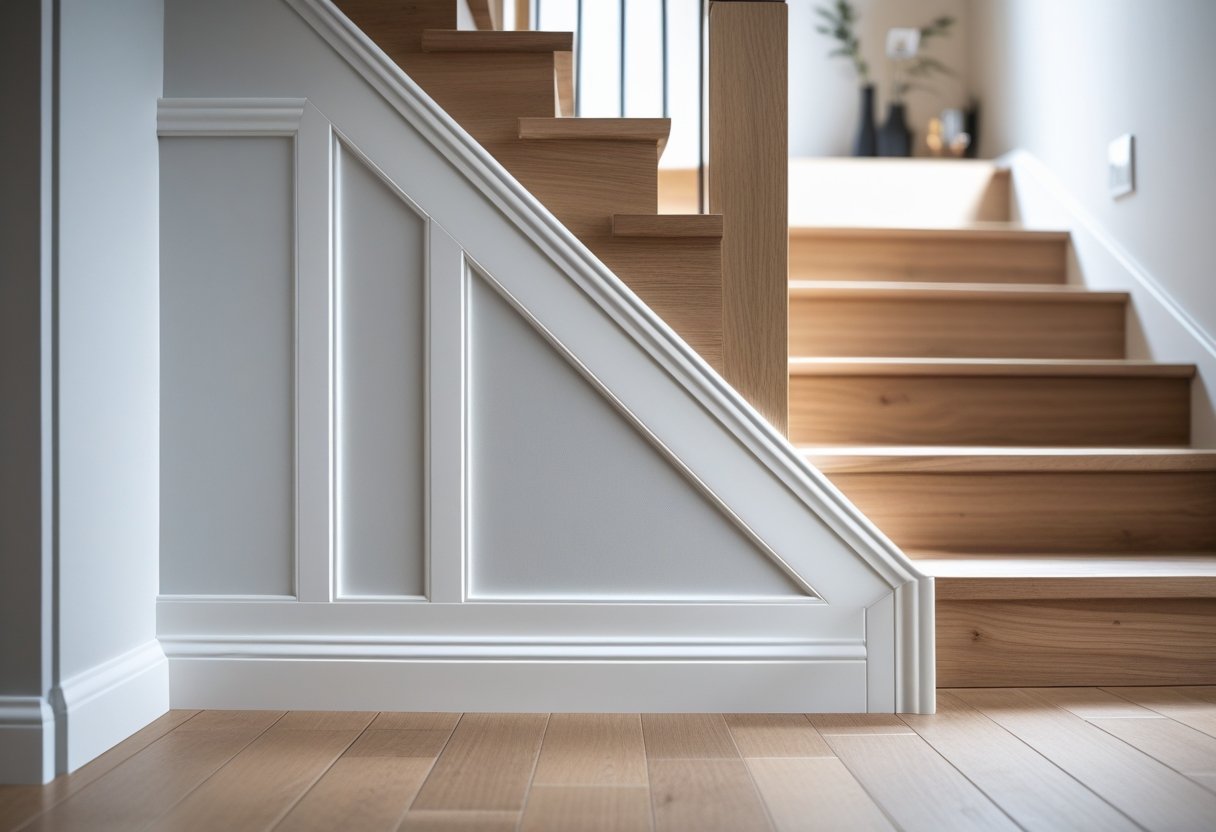
A stair skirt board is a trim piece installed along the side of a staircase, covering the gap between the treads (the horizontal steps) and the wall. Unlike baseboards, which run along flat walls, skirt boards are cut to follow the staircase’s angle, creating a seamless transition. They’re a key element in both new builds and renovations, offering a finished look.
Why Install a Stair Skirt Board?
Stair skirt boards serve dual purposes:
- Protection: They shield walls from scuffs, dents, and damage caused by foot traffic or furniture. For example, moving a couch upstairs can easily mark unprotected walls, but a skirt board takes the hit instead.
- Aesthetics: They add a polished, cohesive look, tying the staircase to your home’s design. A well-installed skirt board can make even a simple staircase feel luxurious.
- Value: According to home improvement experts, small upgrades like stair skirting can increase your home’s resale value by enhancing curb appeal.
10 Creative Stair Skirting Ideas
Ready to get inspired? Here are 10 stair skirting ideas to transform your staircase, including 2025 trends.
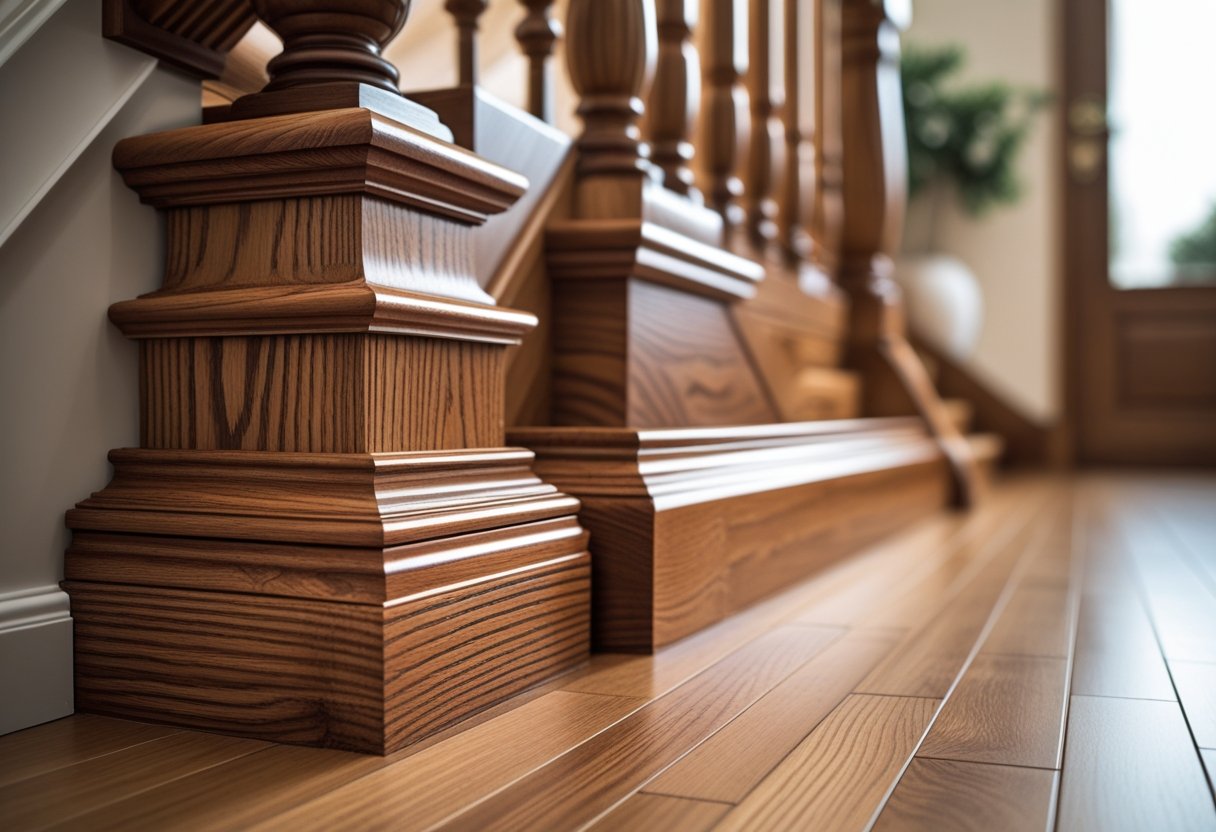
1. Traditional Wood Skirt Boards
Use oak or pine, stained to highlight natural grain. Perfect for historic or traditional homes, this style adds warmth and elegance. See examples on Houzz.
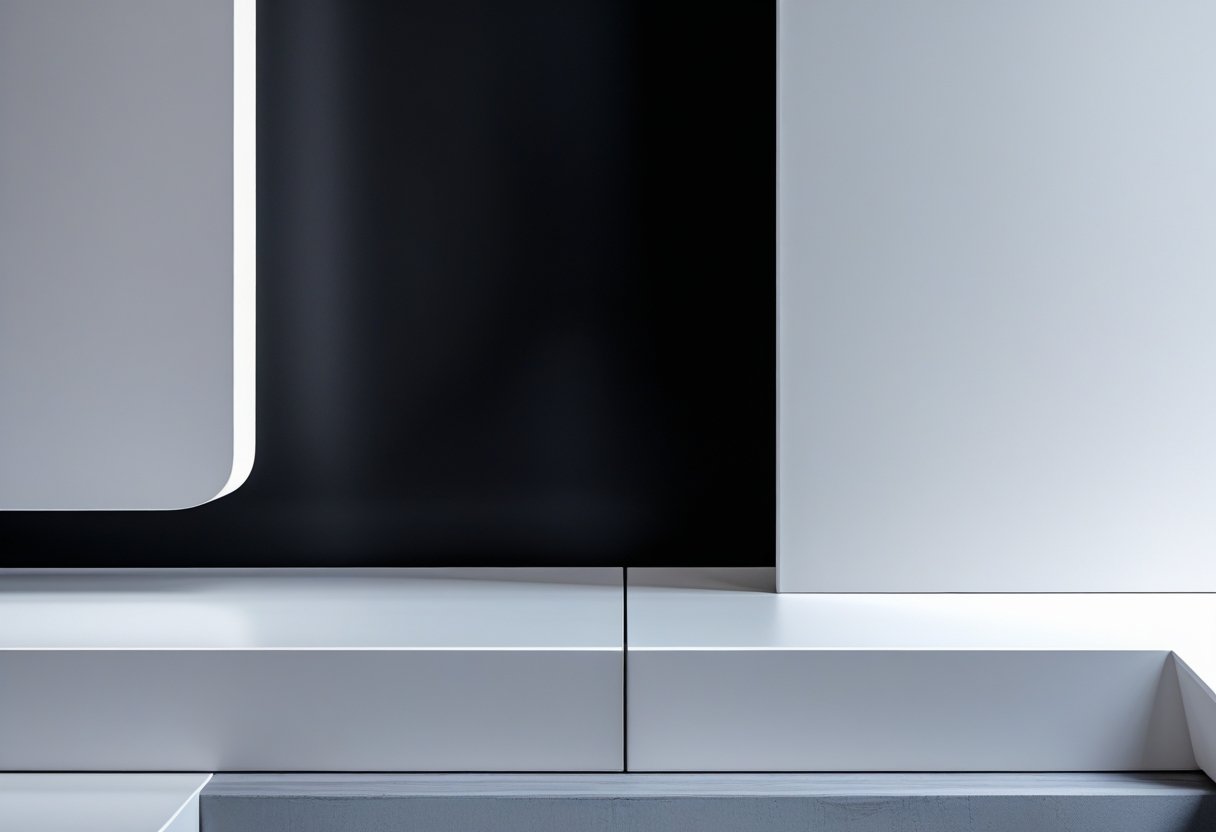
2. Modern Minimalist Designs
Painted MDF or PVC in white or black creates a sleek, contemporary look. Ideal for minimalist interiors, this design emphasizes clean lines and simplicity.
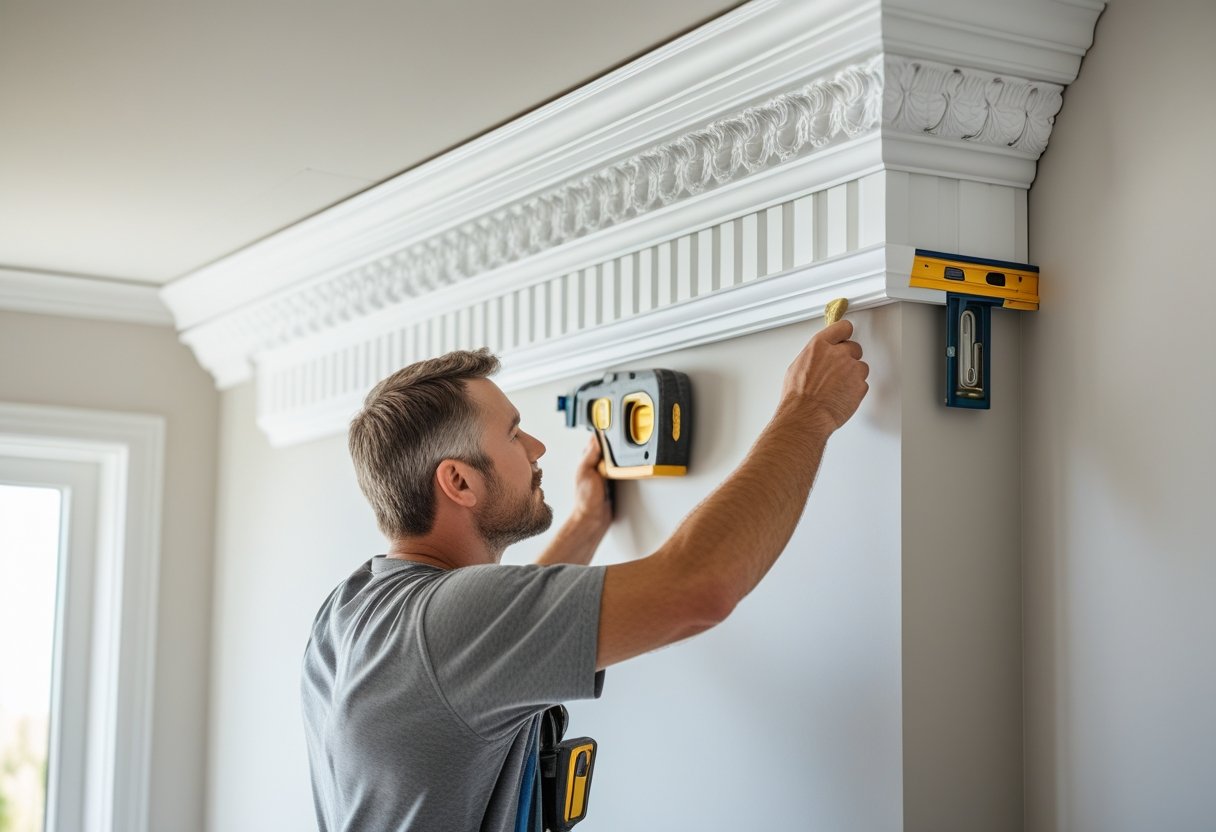
3. Adding Trim or Molding
Incorporate crown molding or decorative trim along the skirt board’s top edge for extra sophistication. This works well in formal spaces, as noted in The Finished Space.
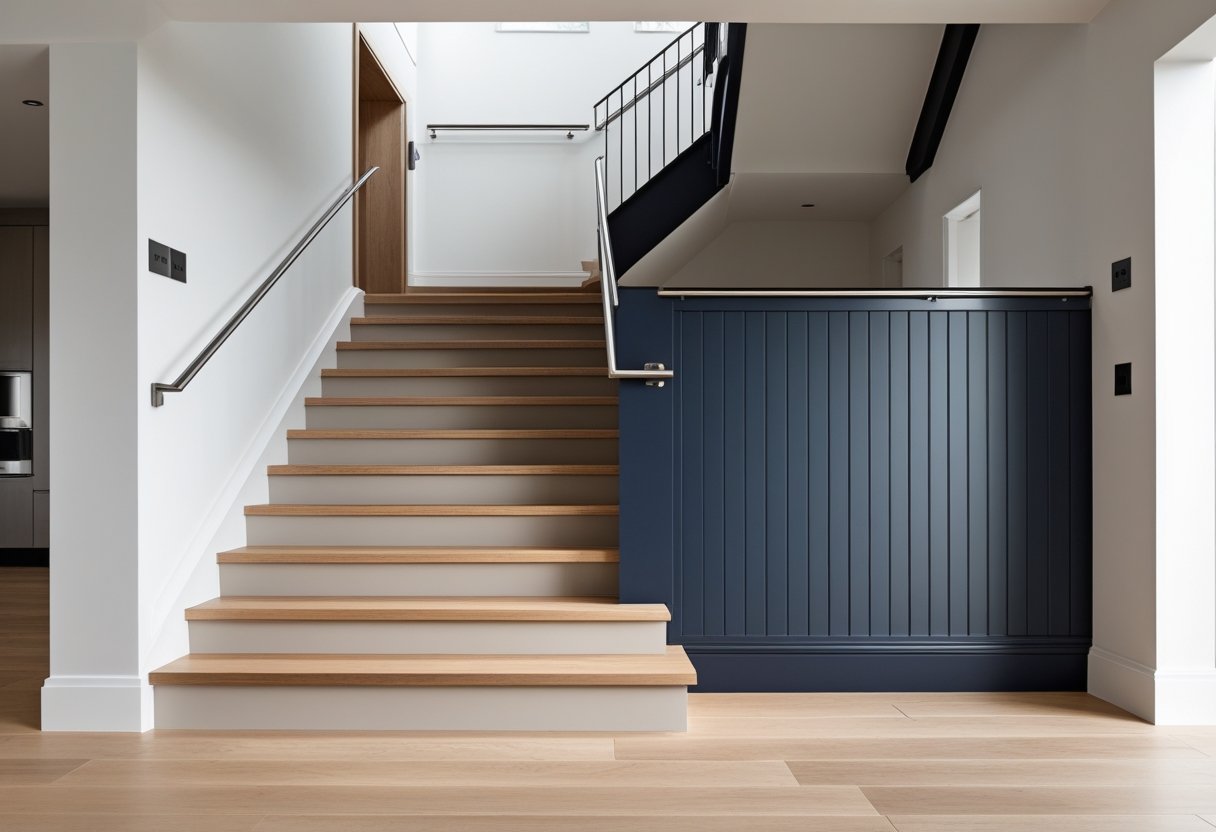
4. Contrasting Colors or Materials
Paint the skirt board a bold color, like navy, against neutral stairs. Or mix wood with metal accents for an industrial vibe. This approach adds visual interest.
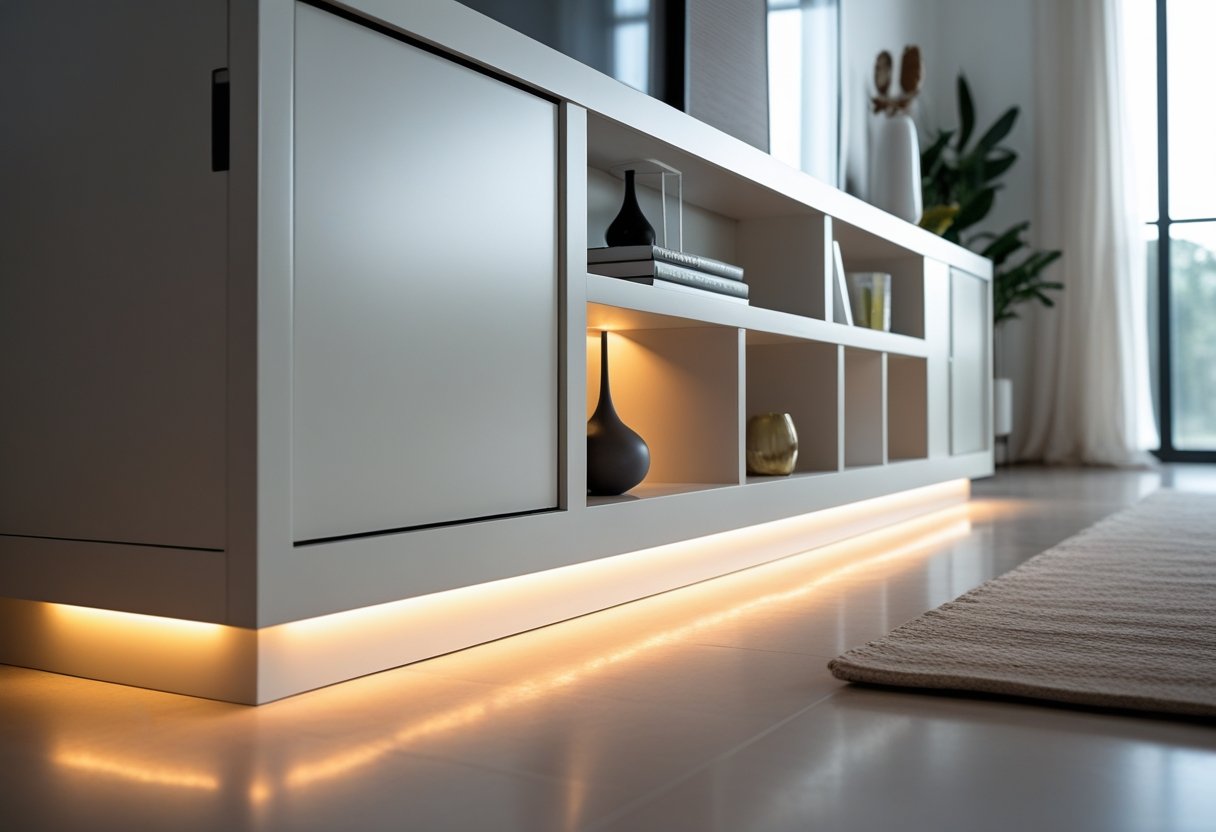
5. Incorporating Unique Features
Add LED strip lighting under the skirt board for ambiance or build small shelves for decor. These functional touches make your staircase stand out.
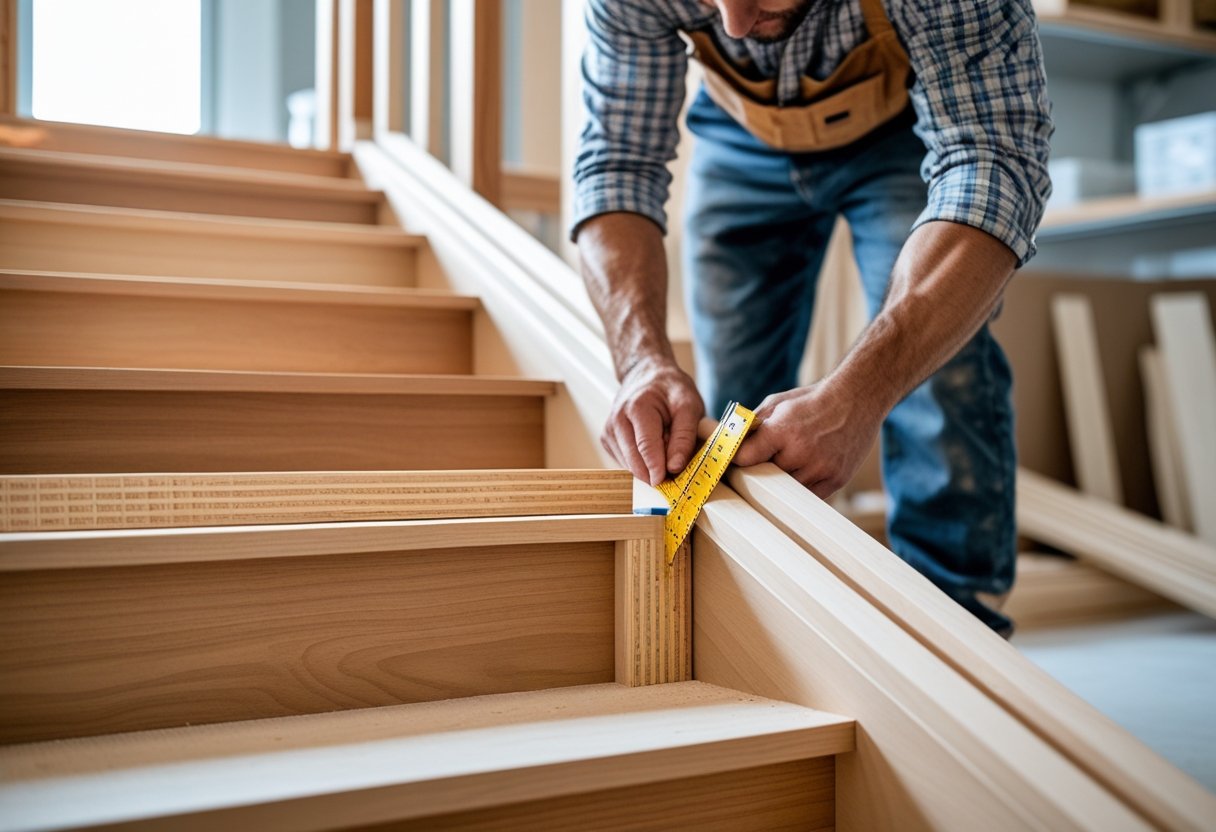
6. The Britches Method for Outside Skirt Returns
For open-sided stairs, use the Britches Method to precisely fit outer trim. This professional technique ensures a clean, polished look, per Fine Homebuilding.
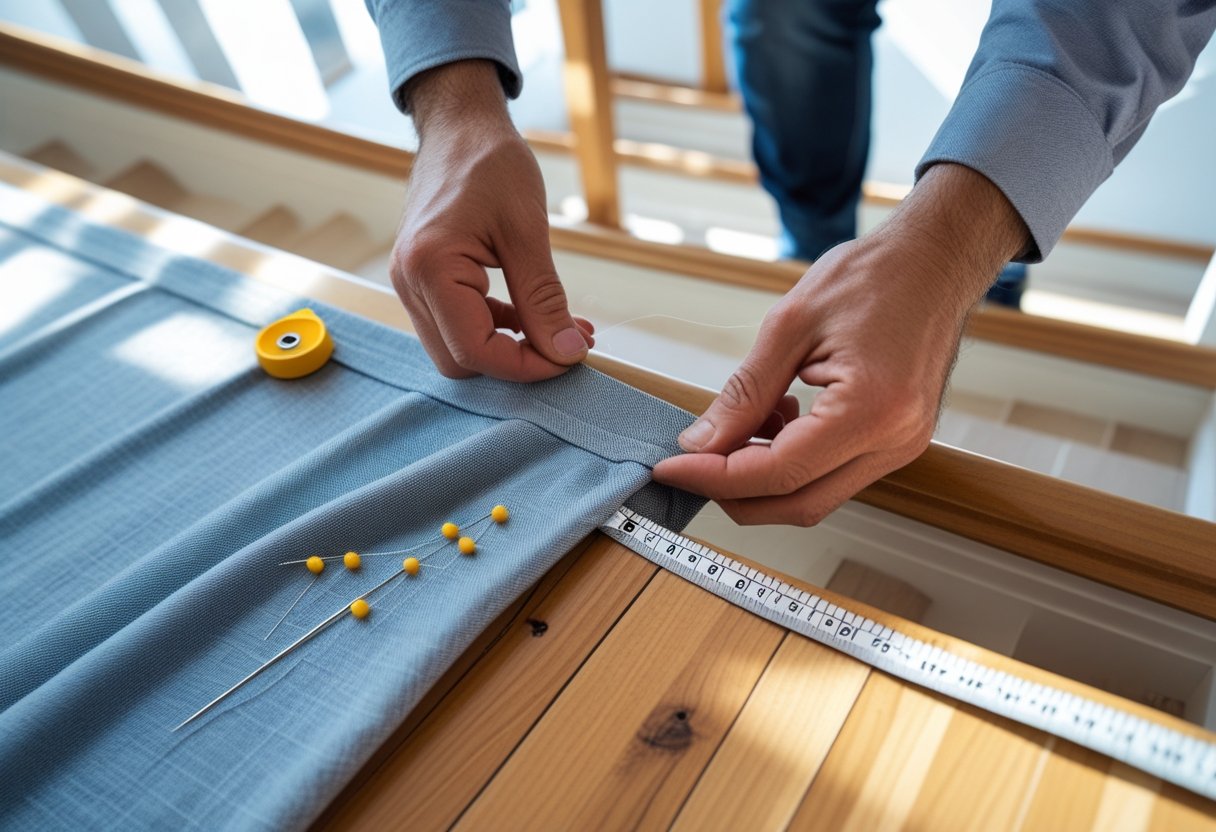
7. Adding a “Hem” to Your Stair Skirt
Create a decorative “hem” by shaping the skirt board’s bottom edge or adding contrasting trim. This detail adds charm, as seen on Pinterest.
8. Smart Skirting Solutions
Use skirting to simplify baseboard installation, avoiding multiple angle cuts. This practical approach also enhances aesthetics, per The Creative’s Hour.
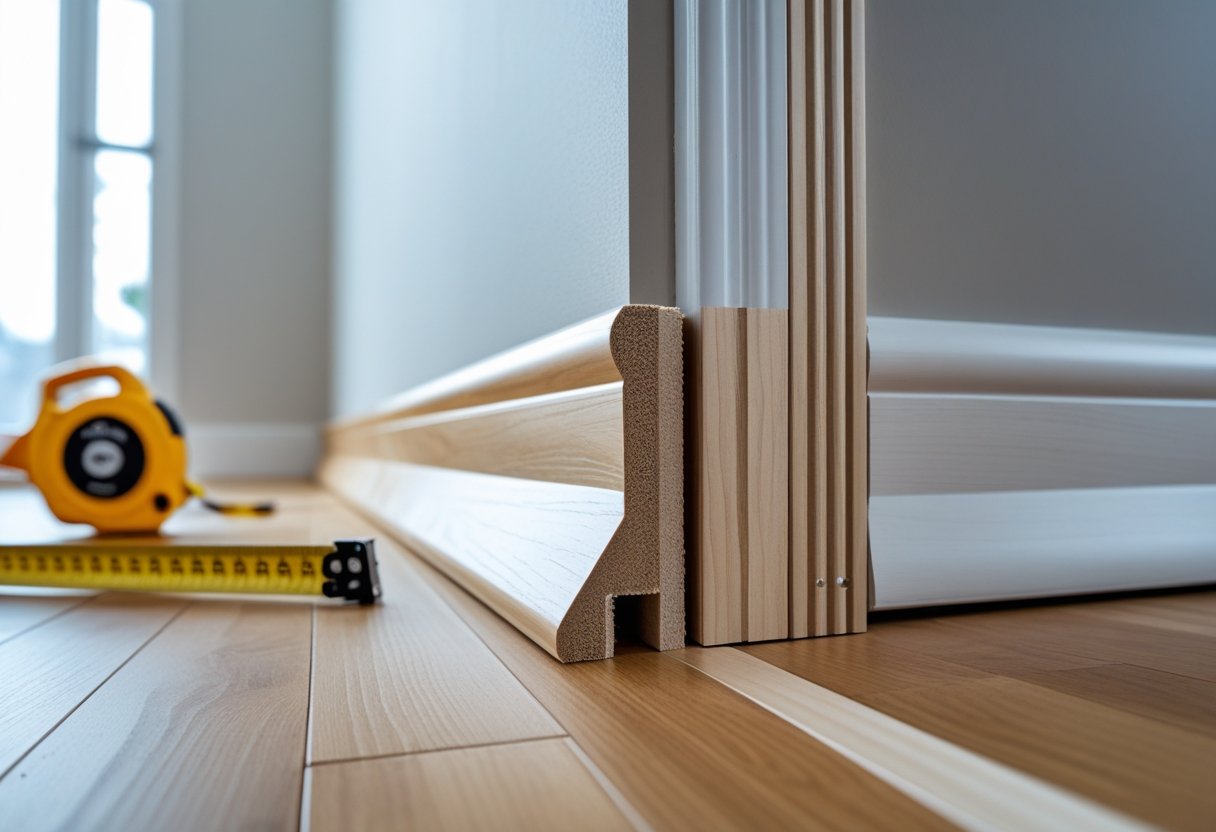
9. Monochrome Magic
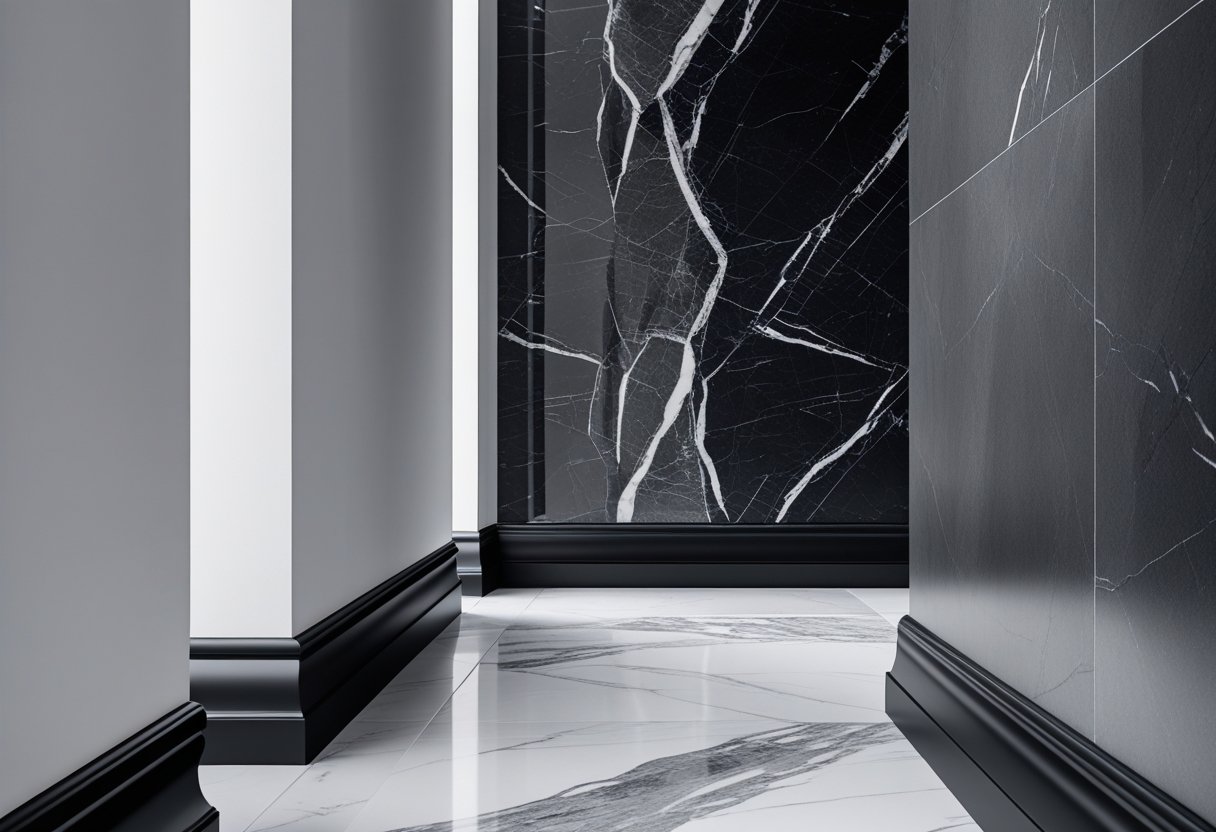
A 2025 trend, monochrome designs use black-and-white marble with veining, paired with Torus skirting boards that follow the tread. This creates a luxurious, parallel effect, per Checkatrade.
10. Wallpaper Wonder
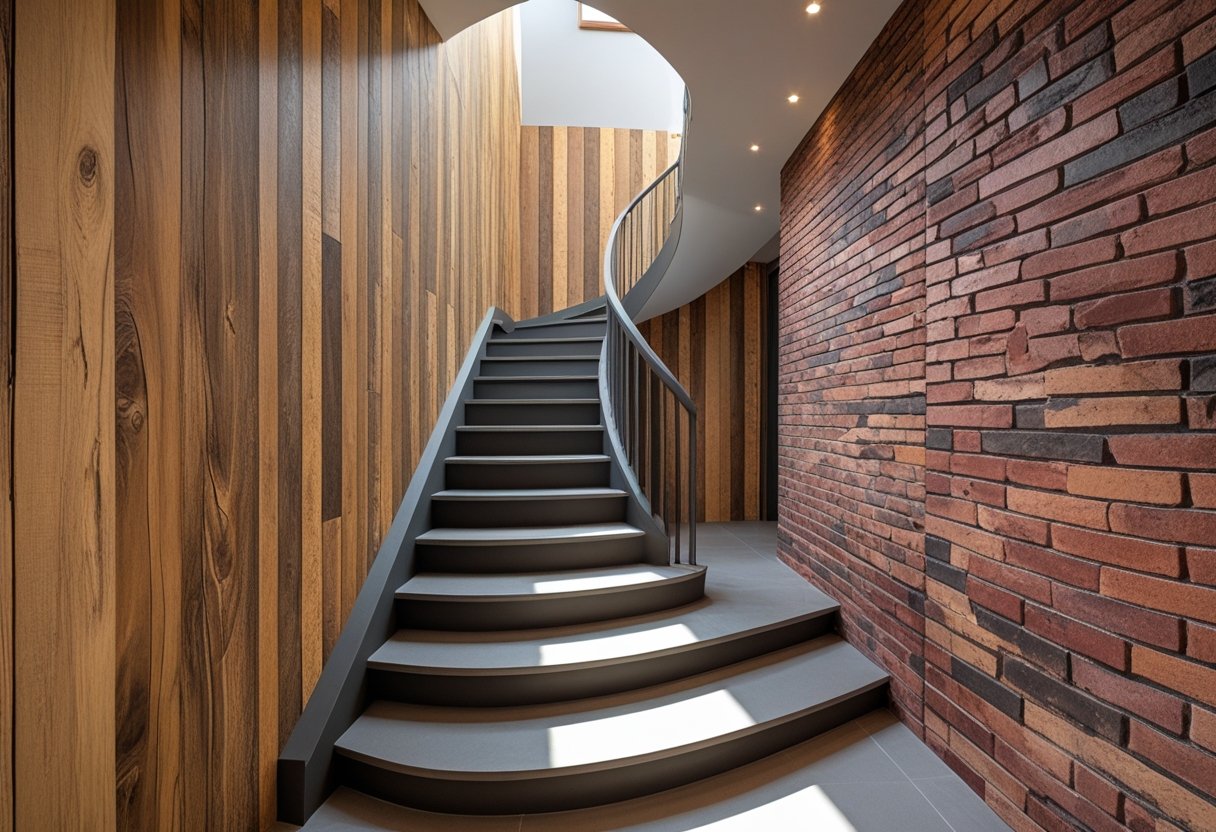
Another 2025 trend involves using dual wallpapers, like wood-effect and brick-effect, to mark staircase curves. This adds depth and texture, as highlighted by Checkatrade.
Types of Materials
Choosing the right material is key to balancing style, durability, and budget. Here are the main options:
- Wood (e.g., oak, pine): Known for its classic, premium look. It’s durable and can be stained or painted. However, it’s pricier and requires maintenance like sealing to prevent wear.
- MDF (Medium-Density Fiberboard): A budget-friendly choice that’s easy to paint and shape, especially for curved stairs. It’s less durable in humid environments, though.
- PVC (Polyvinyl Chloride): Low-maintenance and water-resistant, ideal for high-traffic or humid areas. It lacks the natural warmth of wood but is highly durable.
| Material | Pros | Cons | Best For |
|---|---|---|---|
| Wood | Durable, premium look, versatile | Higher cost, needs maintenance | Traditional or luxury homes |
| MDF | Affordable, easy to paint | Prone to moisture damage | Budget-conscious projects |
| PVC | Low-maintenance, water-resistant | Less natural look | High-traffic or humid areas |
Planning Your Stair Skirting Project
Proper planning ensures your stair skirting project goes smoothly. Here’s how to get started.
Assessing Your Stairs
Examine your staircase to understand its structure:
- Type: Is it straight, curved, or with landings? Curved stairs require more complex cuts.
- Existing Features: Check for carpet, old trim, or obstructions like doors or windows.
- Condition: Look for uneven treads or risers that might affect installation.
For example, I once helped a friend assess their 100-year-old home’s staircase. The curved design was beautiful but required custom cuts, which we planned for in advance.
Measuring Accurately
Accurate measurements are critical. You’ll need:
- Tools: Tape measure, level, scribe tool.
- Steps: Measure each tread’s length, riser’s height, and the staircase’s total length. For curved stairs, take multiple measurements to capture the curve.
Pro tip: Double-check measurements to avoid costly mistakes. A 1/8-inch error can throw off the entire fit.
Choosing the Right Design
Your skirt board should match your home’s style:
- Traditional: Ornate wood with rich stains.
- Modern: Sleek, painted MDF or PVC in neutral tones.
- Eclectic: Bold colors or mixed materials for a unique vibe.
Consider your staircase’s role in your home. Is it a grand entryway or a functional hallway? This will guide your design choices.
Budget Considerations
Costs vary based on material and labor:
- Materials: Wood ($5–$15/ft), MDF ($2–$5/ft), PVC ($3–$8/ft).
- DIY vs. Professional: DIY saves money but requires skill. Professionals charge $500–$2,000 for complex projects, per industry estimates.
Plan for extras like paint, tools, or unexpected repairs to avoid budget surprises.
Tools and Materials Needed
Here’s what you’ll need to install stair skirting:
- Essential Tools:
- Miter saw or jigsaw for cutting.
- Scribe tool or compass for tracing.
- Nails, screws, or adhesive for securing.
- Hammer or nail gun for installation.
- Safety Equipment:
- Goggles to protect eyes.
- Gloves to prevent splinters.
- Dust mask for sanding or cutting.
- Sourcing Materials:
- Local: Home Depot, Lowe’s.
- Online: Amazon for tools, specialty woodworking shops for custom wood.
- Check Lumber Liquidators for quality wood options.
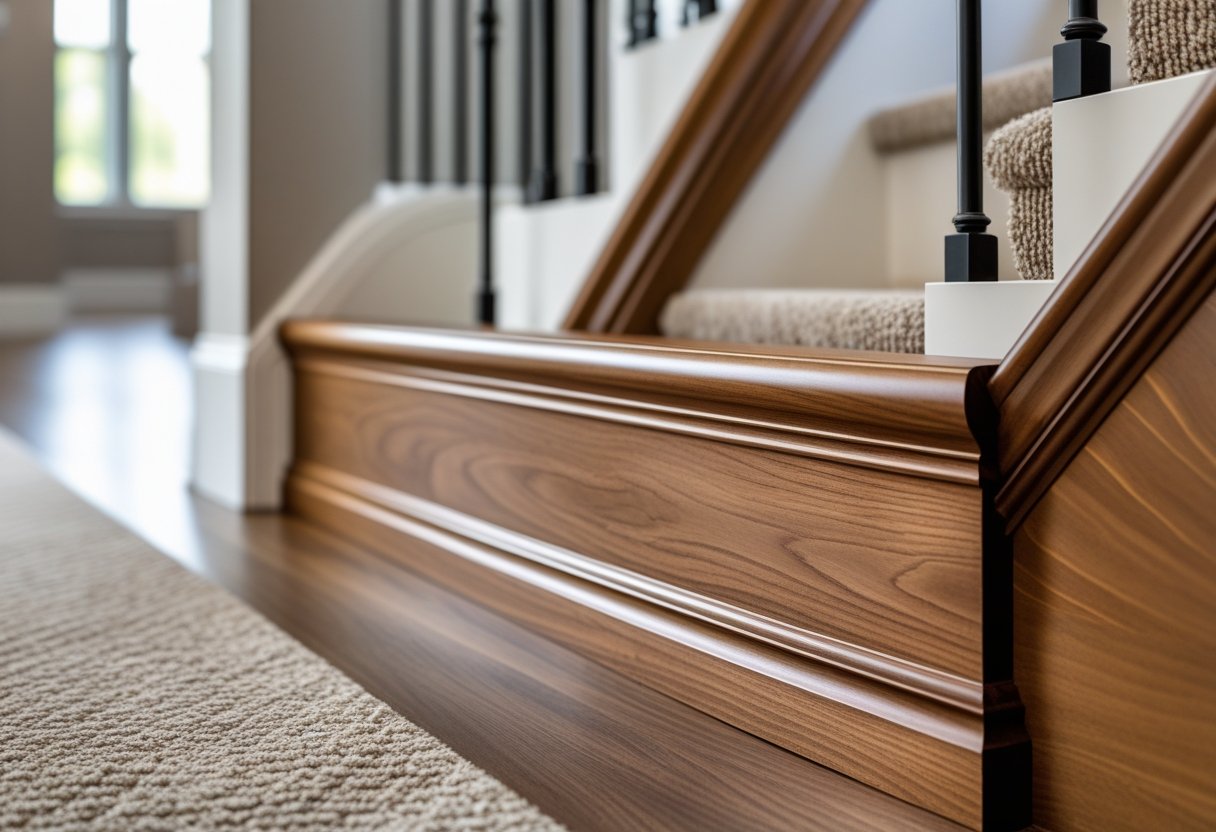
Step-by-Step Installation Guide
Installing stair skirting is a manageable DIY project with the right approach. Here’s a detailed guide.
Preparing the Area
- Remove old trim, carpet, or debris.
- Clean surfaces for a smooth installation.
- Fill gaps or uneven areas with wood filler and sand smooth.
Scribing the Skirt Board
Scribing ensures a perfect fit:
- Use a scribe tool to trace the tread and riser shapes onto the skirt board.
- For straight stairs, scribe one continuous line. For curved stairs, scribe in sections.
- Tip: Practice on scrap wood to master the technique, as advised by THISisCarpentry.
Cutting and Fitting
- Cut along scribe lines using a miter saw or jigsaw.
- Test fit the skirt board, making adjustments for a snug fit.
- For open-sided stairs, try the Britches Method for precise outer trim cuts, per Fine Homebuilding.
Attaching the Skirt Board
- Secure with nails, screws, or adhesive, depending on the material.
- Ensure the board is level and flush with treads and risers.
- Use a level to check alignment before final attachment.
Finishing Touches
- Fill nail holes with wood filler.
- Sand for a smooth surface.
- Paint or stain to match your design. For example, a client I worked with chose a glossy white finish to brighten their dark hallway.
Special Situations and Challenges
Not every staircase is straightforward. Here’s how to handle common challenges.
Installing on Curved Staircases
Curved stairs require flexible materials like MDF or pieced-together wood sections. Each section must be scribed to match the curve. Professionals often excel here, but DIYers can succeed with patience.
Adding to Existing Carpeted Stairs
Scribe the skirt board around the carpet edge for a clean fit. Alternatively, remove the carpet for a polished look, especially if refinishing the stairs. The Creative’s Hour offers tips for this.
Dealing with Obstructions
Doors or windows at the staircase’s top or bottom require careful planning. Cut or miter the skirt board to fit around these features. For tight spaces, use thinner materials, per THISisCarpentry.
Repairing or Replacing Damaged Skirt Boards
For minor damage, sand and refinish. For severe issues, replace sections, matching the material and finish. A client once had a cracked skirt board from a heavy furniture move—we replaced just the damaged section seamlessly.
Maintenance and Care
Keep your stair skirting looking great with these tips.
- Cleaning:
- Wood: Dust and polish with a wood cleaner.
- MDF: Wipe gently with a damp cloth to avoid water damage.
- PVC: Clean with soap and water.
- Preventing Damage:
Use furniture pads to avoid scratches. Check for loose nails or screws regularly. - When to Replace:
Replace if you see deep scratches, water damage, or rot. Updating skirting can also refresh your home’s look.
Why Choose Us?
At [Your Company Name], we’re passionate about transforming homes through expert staircase renovations. Our team brings years of experience, using premium materials like wood, MDF, and PVC to craft durable, beautiful stair skirting. We understand the nuances of every staircase design, from straight to curved, and tailor solutions to your needs. As locals in [Your City], we know local building codes and design trends, ensuring compliance and style. Check out our portfolio page for client testimonials, and contact us today for a free consultation to elevate your staircase!
FAQs
- How do I install a stair skirt board on a curved staircase?
Use flexible MDF or piece together wood sections, scribing each to match the curve. Professionals can ensure precision. - Can I add a skirt board to stairs with carpet?
Yes, scribe around the carpet edge or remove it for a cleaner look. - What’s the best way to scribe a skirt board?
Use a scribe tool to trace tread and riser shapes, testing the fit before cutting. - How can I match stair skirting to my home’s decor?
Choose materials and finishes that complement your staircase and walls, like stained wood for traditional homes or painted MDF for modern ones. - Should I hire a professional or DIY?
DIY works for simple stairs, but professionals are best for complex or curved designs.
Conclusion
Stair skirting is a game-changer for any home, blending practicality with style to protect walls and enhance your staircase’s beauty. Whether you’re drawn to classic wood designs, modern monochrome trends, or creative features like LED lighting, there’s a skirting idea for every taste. This guide has equipped you with the knowledge to plan, install, and maintain your stair skirting, plus inspiration to make it uniquely yours.
Ready to transform your staircase? Start your DIY project today or contact our expert team at [Your Company Name] for professional installation. Share your ideas or questions in the comments below—let’s make your stairs the centerpiece of your home!


