
10 Homemade Dog Food Recipes Every Dog Parent Should Know

Making your own dog food at home gives you complete control over what goes into your furry friend’s bowl. This guide is perfect for dog parents who want to provide fresh, nutritious meals but aren’t sure where to start with homemade dog food recipes.
You’ll discover the essential health benefits of ditching commercial kibble and learn exactly what nutrients your dog needs to thrive. We’ll walk you through crucial safety guidelines so you can avoid ingredients that could harm your pet, then dive into 10 carefully crafted recipes designed for different life stages and dietary needs.
From protein-packed meals for active dogs to gentle formulas for sensitive stomachs, you’ll find recipes that fit your dog’s unique requirements and your busy schedule.
Essential Benefits of Homemade Dog Food for Your Pet’s Health
You Might Also Love These Ideas


Complete control over ingredients and quality
When you prepare homemade dog food, you become the quality control manager for your pet’s nutrition. You can hand-select fresh, high-grade ingredients while avoiding mystery meat byproducts commonly found in commercial kibble. This transparency allows you to source organic vegetables, lean proteins, and whole grains that meet your personal standards for quality and freshness.
Elimination of harmful preservatives and additives
Your homemade meals naturally skip the chemical preservatives, artificial colors, and flavor enhancers that manufacturers add to extend shelf life. BHA, BHT, and ethoxyquin—common commercial dog food preservatives—won’t appear in your kitchen creations. You’ll also avoid corn syrup, artificial sweeteners, and unnecessary fillers that provide little nutritional value but can trigger digestive issues in sensitive dogs.
Customization for specific dietary needs and allergies
Homemade dog food gives you the power to tailor every meal to your dog’s unique health requirements. If your pup suffers from grain allergies, you can create grain-free recipes using sweet potatoes or quinoa. Dogs with kidney issues benefit from controlled protein levels, while overweight pets need calorie-conscious portions. You can boost omega-3 fatty acids for coat health or increase fiber for digestive support—all based on your dog’s specific needs.
Cost savings compared to premium commercial foods
Making dog food at home often costs significantly less than buying premium commercial brands, especially for larger dogs who consume substantial portions daily. While high-quality commercial foods can cost $3-5 per pound, you can prepare nutritious homemade meals for $1-2 per pound using bulk ingredients. Your savings multiply when feeding multiple dogs, and you’ll reduce trips to the pet store while ensuring consistent meal quality.
Key Nutritional Requirements Every Dog Parent Must Understand
Proper protein ratios for different life stages
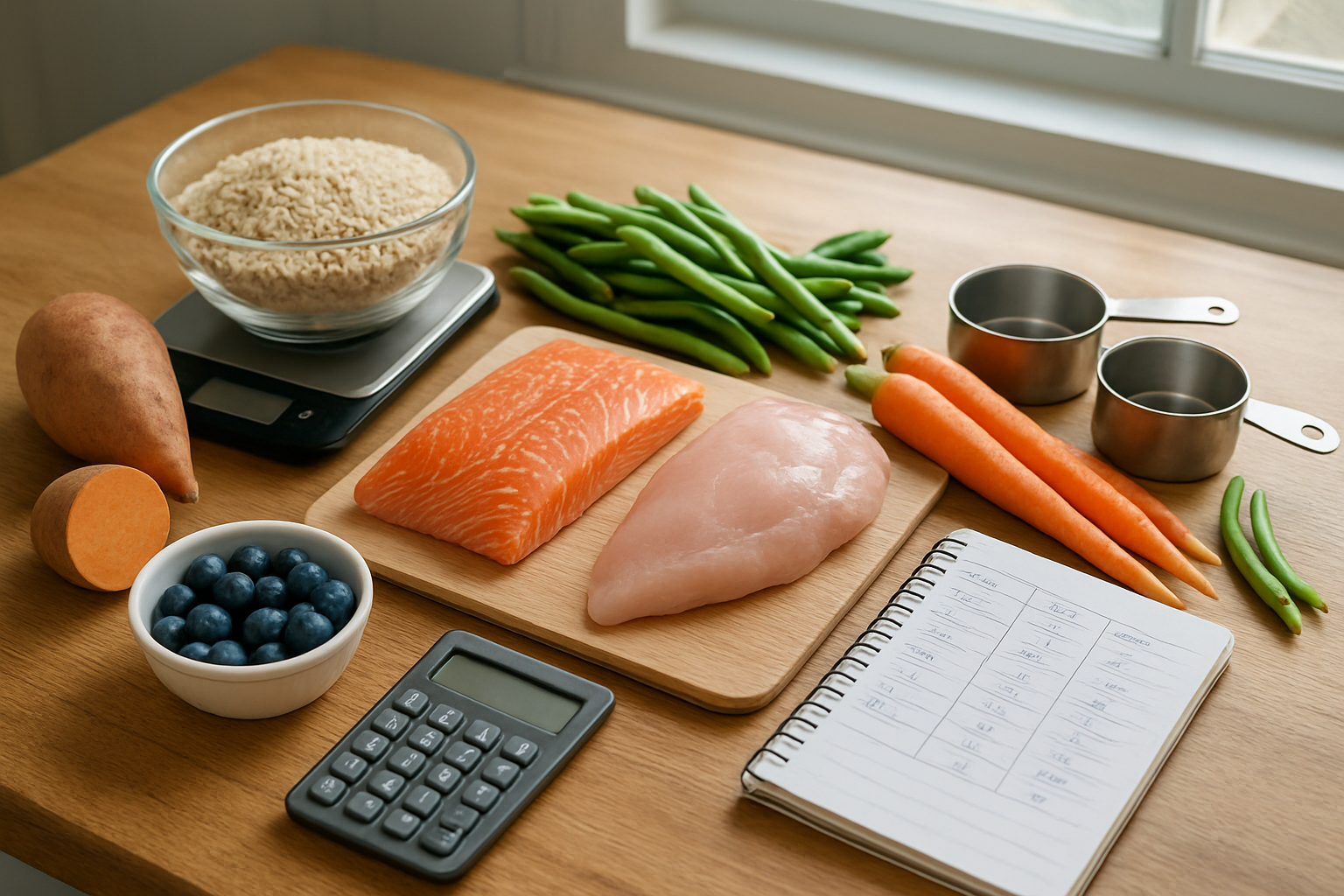
Your dog’s protein needs change dramatically throughout their life. Puppies require 22-32% protein to fuel rapid growth, while adult dogs thrive on 18-25% protein for maintenance. Senior dogs benefit from 20-28% high-quality protein to preserve muscle mass and support aging organs.
Essential vitamins and minerals for optimal health
Your homemade dog food must include calcium and phosphorus in a 1.2:1 ratio for strong bones, vitamin A for vision and immune function, B vitamins for energy metabolism, and vitamin E as an antioxidant. Iron supports oxygen transport, while zinc promotes healthy skin and wound healing.
Healthy fats for coat and brain function
Omega-3 and omega-6 fatty acids are non-negotiable for your dog’s wellbeing. Fish oil provides EPA and DHA for brain development and joint health, while chicken fat supplies essential linoleic acid. Your dog needs 5-8% fat minimum, with active dogs requiring up to 15% for sustained energy and that gorgeous, shiny coat you love to pet.
Safety Guidelines and Ingredients to Avoid in Homemade Dog Food
Toxic Foods That Can Harm Your Dog
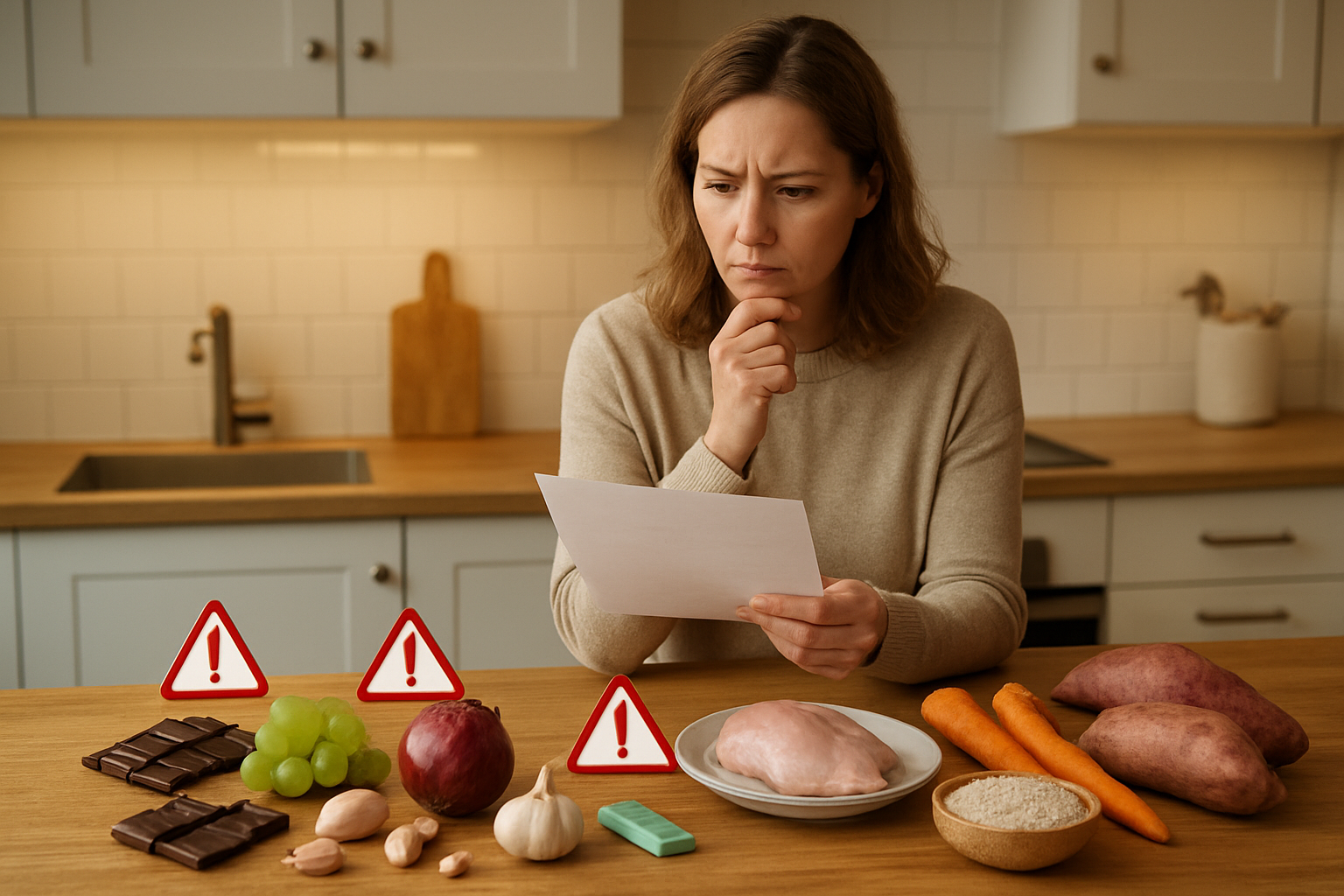
Never feed your dog chocolate, grapes, raisins, onions, garlic, avocado, or xylitol-containing products as these can cause severe poisoning or death. Other dangerous foods include macadamia nuts, cooked bones that splinter, raw eggs, and high-sodium items. Keep a list of toxic foods on your refrigerator and double-check ingredients before cooking.
Proper Food Handling and Storage Techniques
Wash your hands and sanitize all cooking surfaces before preparing your dog’s meals. Store raw ingredients in separate containers to prevent cross-contamination, and refrigerate homemade dog food for up to three days or freeze portions for up to three months. Use glass or stainless steel containers rather than plastic to maintain freshness and prevent bacterial growth.
Safe Cooking Methods and Temperature Guidelines
Cook all meats to internal temperatures of 165°F for poultry and 160°F for ground meats to eliminate harmful bacteria. Steam or lightly sauté vegetables to retain nutrients while making them digestible. Avoid using oils, butter, salt, or seasonings that can upset your dog’s stomach. Let food cool completely before serving to prevent burns.
Portion Control for Different Dog Sizes
| Dog Size | Daily Food Amount | Meal Frequency |
|---|---|---|
| Small (under 25 lbs) | 1-1.5 cups | 2-3 meals |
| Medium (25-60 lbs) | 2-3 cups | 2 meals |
| Large (60-100 lbs) | 3-4 cups | 2 meals |
| Giant (over 100 lbs) | 4-5 cups | 2 meals |
Monitor your dog’s weight weekly and adjust portions based on activity level, age, and body condition. Puppies need smaller, more frequent meals, while senior dogs may require reduced portions to prevent weight gain.
Recipe 1: Protein-Packed Chicken and Sweet Potato Delight
Simple ingredients list for busy dog parents
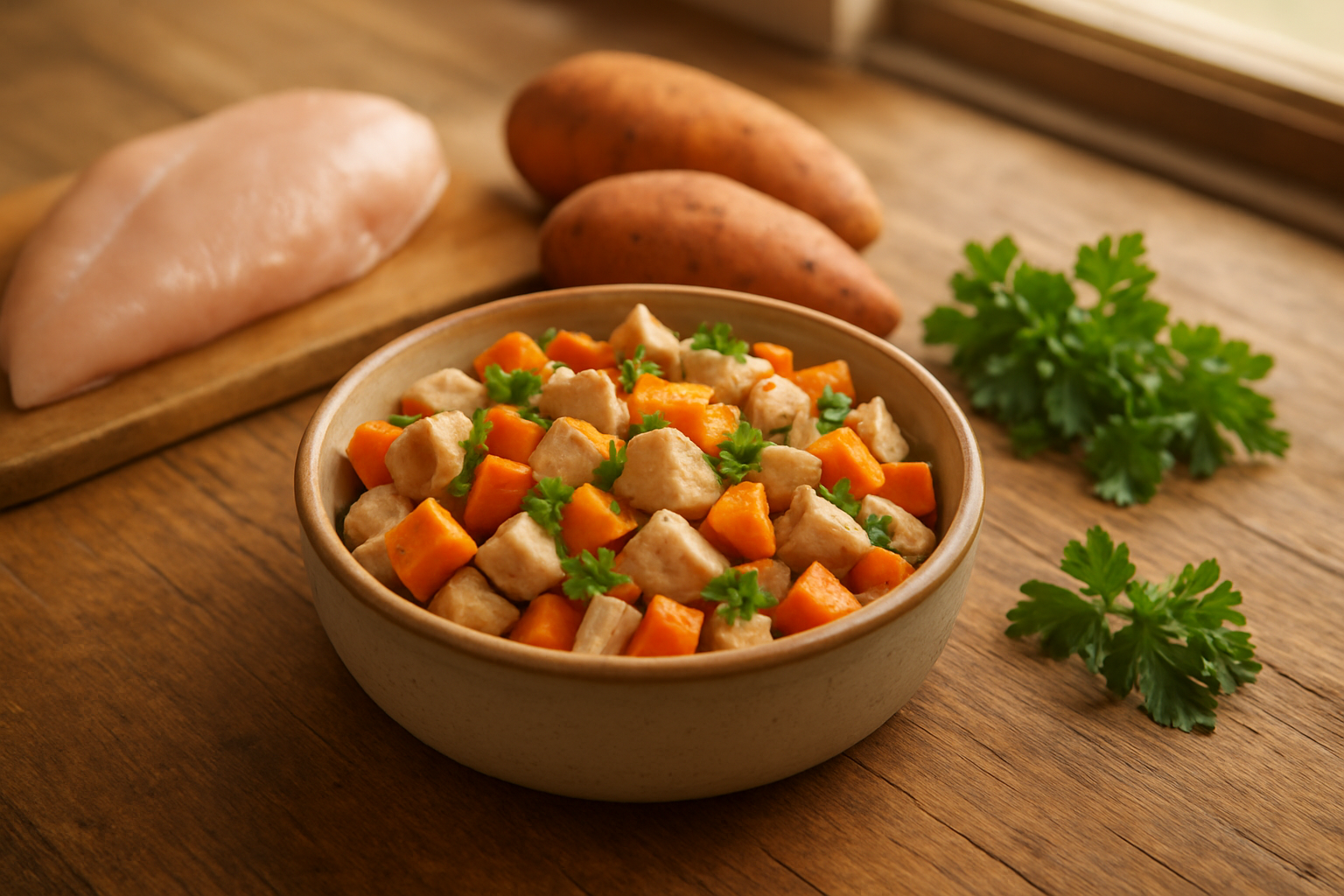
You’ll need just six wholesome ingredients for this recipe: 2 cups of boneless, skinless chicken breast (diced), 1 cup of sweet potato (cubed), 1/2 cup of brown rice, 1/4 cup of green beans (chopped), 1 tablespoon of olive oil, and 3 cups of water. These pantry staples are easy to find at any grocery store, making this recipe perfect for your hectic schedule.
Step-by-step preparation instructions
Start by cooking the brown rice in a separate pot according to package directions. While that’s cooking, heat olive oil in a large pot over medium heat. Add diced chicken and cook for 5-7 minutes until no longer pink. Toss in cubed sweet potatoes and chopped green beans, then add 3 cups of water. Bring everything to a boil, then reduce heat and simmer for 15-20 minutes until sweet potatoes are tender. Mix in your cooked rice, let cool completely, and serve your pup this nutritious meal.
Nutritional benefits for active dogs
This protein-rich recipe delivers everything your energetic dog needs to thrive. Chicken provides essential amino acids for muscle development and repair, while sweet potatoes offer complex carbohydrates for sustained energy during long walks or play sessions. The brown rice adds fiber for healthy digestion, and green beans contribute vitamins A and K. Your active dog will love the taste while getting balanced nutrition that supports their high-energy lifestyle and overall health.
Simple Chicken-Based Recipes Your Dog Will Love
Classic chicken and rice comfort meal
Start with boneless, skinless chicken breast or thighs, boiled until fully cooked and shredded into bite-sized pieces. Cook plain white rice separately using low-sodium chicken broth for extra flavor. Mix the cooled chicken with rice in a 2:1 ratio, adding small amounts of plain cooked carrots or green beans for nutrients. This gentle recipe works perfectly for dogs with upset stomachs or as a daily meal base. Store portions in the refrigerator for up to three days, or freeze individual servings for convenient meal prep.
Chicken and sweet potato power bowl
Dice sweet potatoes into small cubes and roast them until tender, about 25 minutes at 400°F. Grill or bake chicken breast seasoned only with a pinch of turmeric for anti-inflammatory benefits. Combine the cooled ingredients with steamed broccoli florets and a tablespoon of coconut oil. Sweet potatoes provide beta-carotene and fiber, while the lean protein supports muscle development. This nutrient-dense meal gives active dogs sustained energy and promotes healthy digestion. Serve at room temperature and adjust portions based on your dog’s size and activity level.
Chicken liver recipe for picky eaters
Sauté chicken livers in a dry pan until cooked through but not overcooked, keeping them slightly pink inside for maximum appeal. Chop the livers finely and mix with cooked quinoa and finely diced steamed zucchini. The strong aroma and rich taste of liver entices even the most selective eaters while delivering essential vitamins A and B12. Start with small portions since liver is rich and can cause digestive upset if introduced too quickly. This recipe works wonderfully as a food topper or special treat for dogs who turn their noses up at regular kibble.
Beef Recipes That Provide Complete Nutrition
Beef and Brown Rice Hearty Dinner
This protein-packed meal combines lean ground beef with fiber-rich brown rice, creating a balanced foundation for your dog’s nutritional needs. Cook one pound of lean ground beef thoroughly, then mix with two cups of cooked brown rice. Add diced carrots and green beans for essential vitamins. The combination provides complete amino acids, complex carbohydrates, and digestive support. Let cool completely before serving, and store leftovers in the refrigerator for up to three days.
Ground Beef with Quinoa Superfood Mix
Quinoa brings exceptional nutritional value to this beef-based recipe, offering all nine essential amino acids your dog needs. Brown one pound of ground beef with minced garlic, then combine with one cup of cooked quinoa and steamed sweet potato chunks. This superfood combination delivers protein, fiber, and antioxidants. The quinoa provides easier digestion compared to traditional grains, making this recipe perfect for dogs with sensitive stomachs while maintaining complete nutritional balance.
Beef Stew with Root Vegetables
Create a warming, nutrient-dense stew using beef chuck roast cut into bite-sized pieces. Slow-cook with diced potatoes, carrots, and parsnips in low-sodium beef broth for tender, flavorful results. This recipe mimics traditional comfort food while providing sustained energy through complex carbohydrates and high-quality protein. The slow cooking process breaks down tough fibers, making nutrients more bioavailable. Serve cooled portions and freeze extras in individual serving sizes for convenient future meals.
Fish-Based Meals for Omega-3 Benefits
Salmon and potato recipe for healthy coat
Mix 1 cup cooked salmon (boneless), 1 cup diced sweet potato, and ½ cup steamed carrots. The omega-3 fatty acids in salmon promote a shiny coat while potatoes provide digestible carbohydrates for sustained energy throughout your dog’s day.
White fish with green beans low-fat option
Combine 1 cup flaked white fish like cod or tilapia with 1 cup steamed green beans and ½ cup cooked brown rice. This lean protein source delivers essential amino acids without excess fat, making it perfect for overweight dogs or those with sensitive stomachs requiring gentle nutrition.
Turkey Recipes for Dogs with Food Sensitivities
Turkey and Pumpkin Gentle Digestion Meal
Turkey provides lean protein that’s easier on sensitive stomachs compared to beef or chicken. Combined with pumpkin’s natural fiber and digestive enzymes, this recipe creates a soothing meal perfect for dogs with food allergies or gastrointestinal issues. Cook 1 pound ground turkey with 1 cup pureed pumpkin, ½ cup white rice, and a tablespoon of olive oil. The pumpkin’s beta-carotene supports immune function while its soluble fiber promotes healthy digestion. This gentle combination reduces inflammation and provides essential nutrients without common allergens like beef, dairy, or wheat that often trigger sensitivities.
Ground Turkey with Oats Hypoallergenic Option
Oats offer a gluten-free grain alternative that’s naturally hypoallergenic and packed with B vitamins. This recipe combines 1 pound lean ground turkey with 1 cup cooked oats, ½ cup sweet potatoes, and chopped carrots. Turkey’s tryptophan content helps calm anxious dogs, while oats provide sustained energy through complex carbohydrates. The sweet potatoes add vitamin A for coat health, and carrots contribute antioxidants. This meal works exceptionally well for dogs with chicken or beef allergies, providing complete nutrition while avoiding common protein triggers that cause skin irritation or digestive upset.


